Official Website of Philippine Senator Pia Cayetano

Category: Health

  • “The Most Powerful Investment We Can Make” — Sen. Pia Cayetano Welcomes AHEAD Grant for Healthcare Students

    “The Most Powerful Investment We Can Make” — Sen. Pia Cayetano Welcomes AHEAD Grant for Healthcare Students

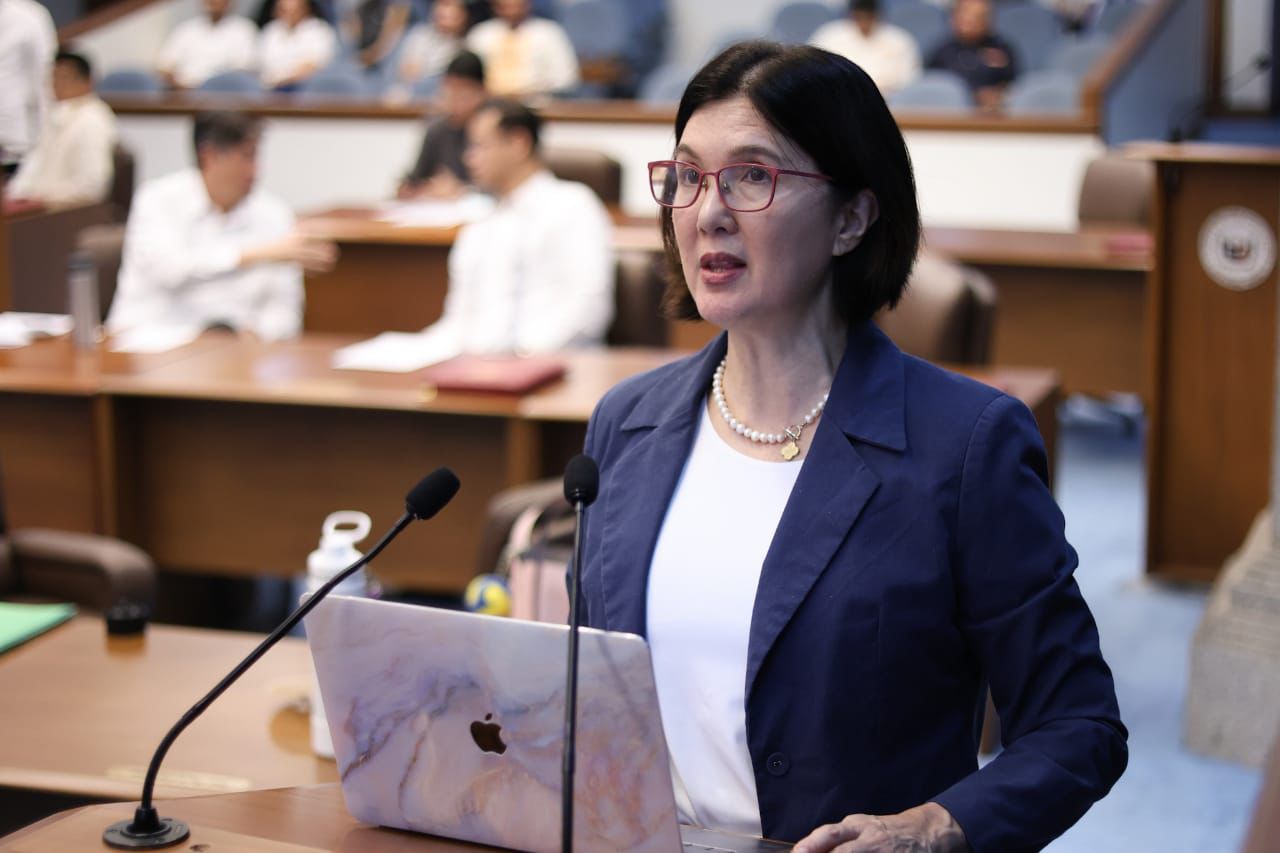
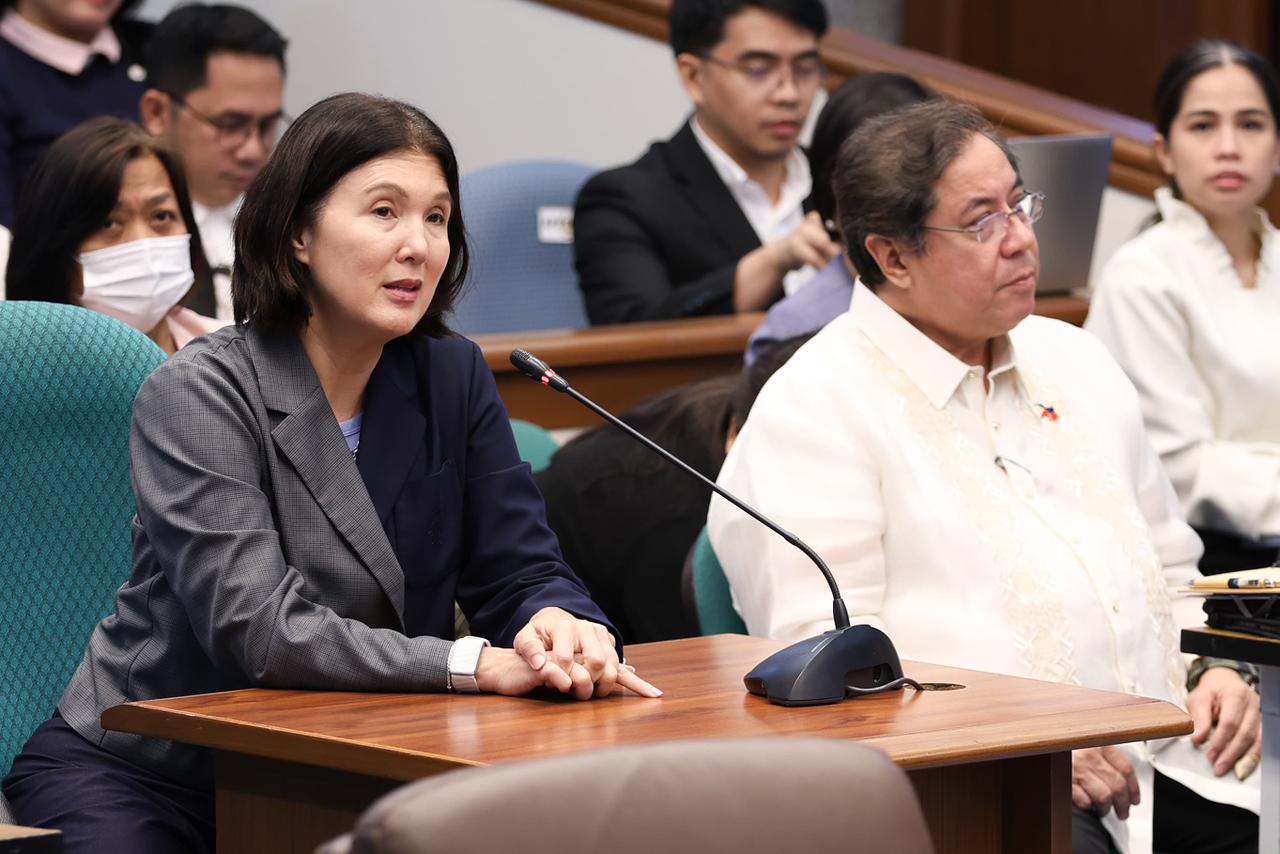
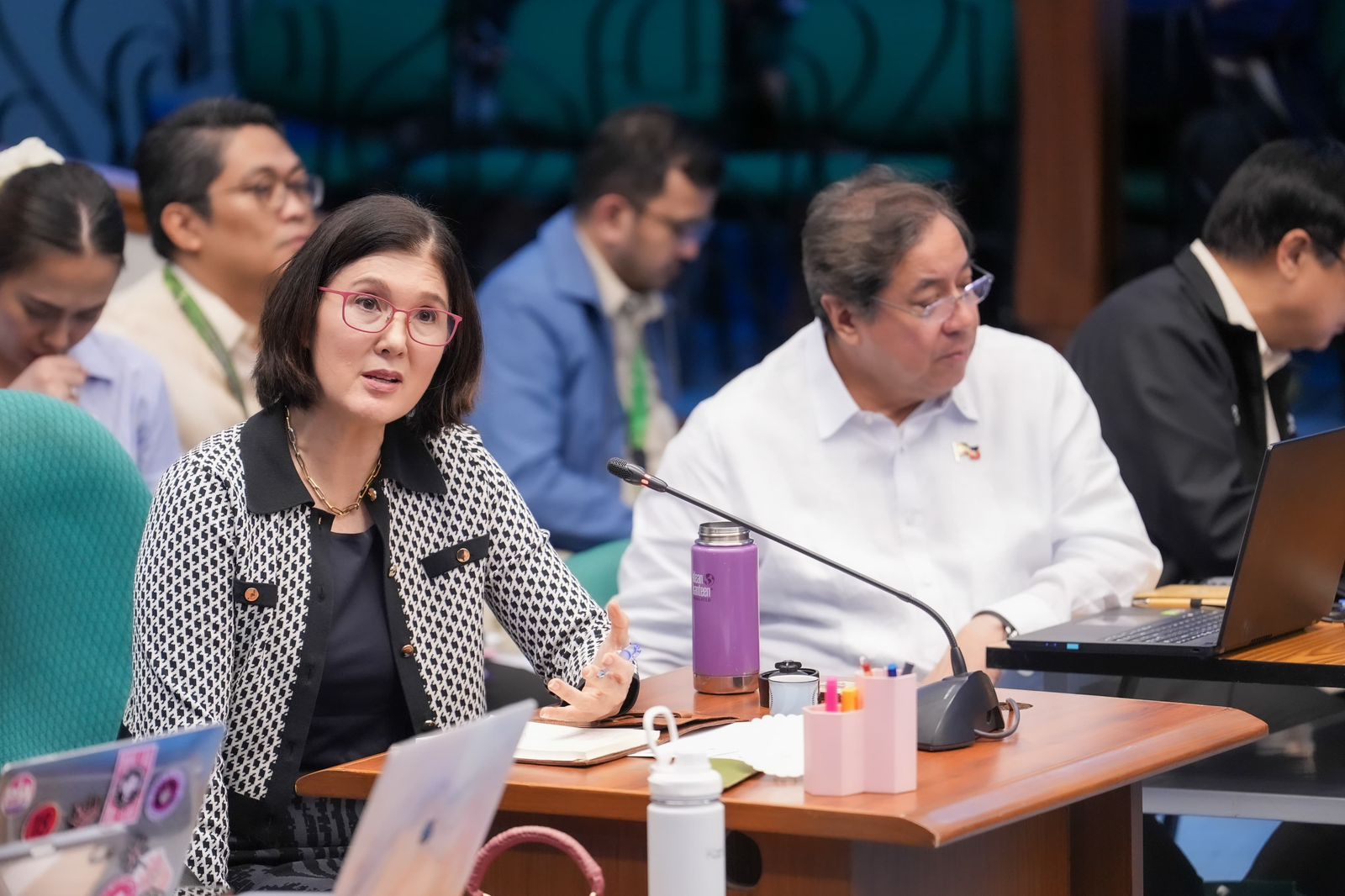
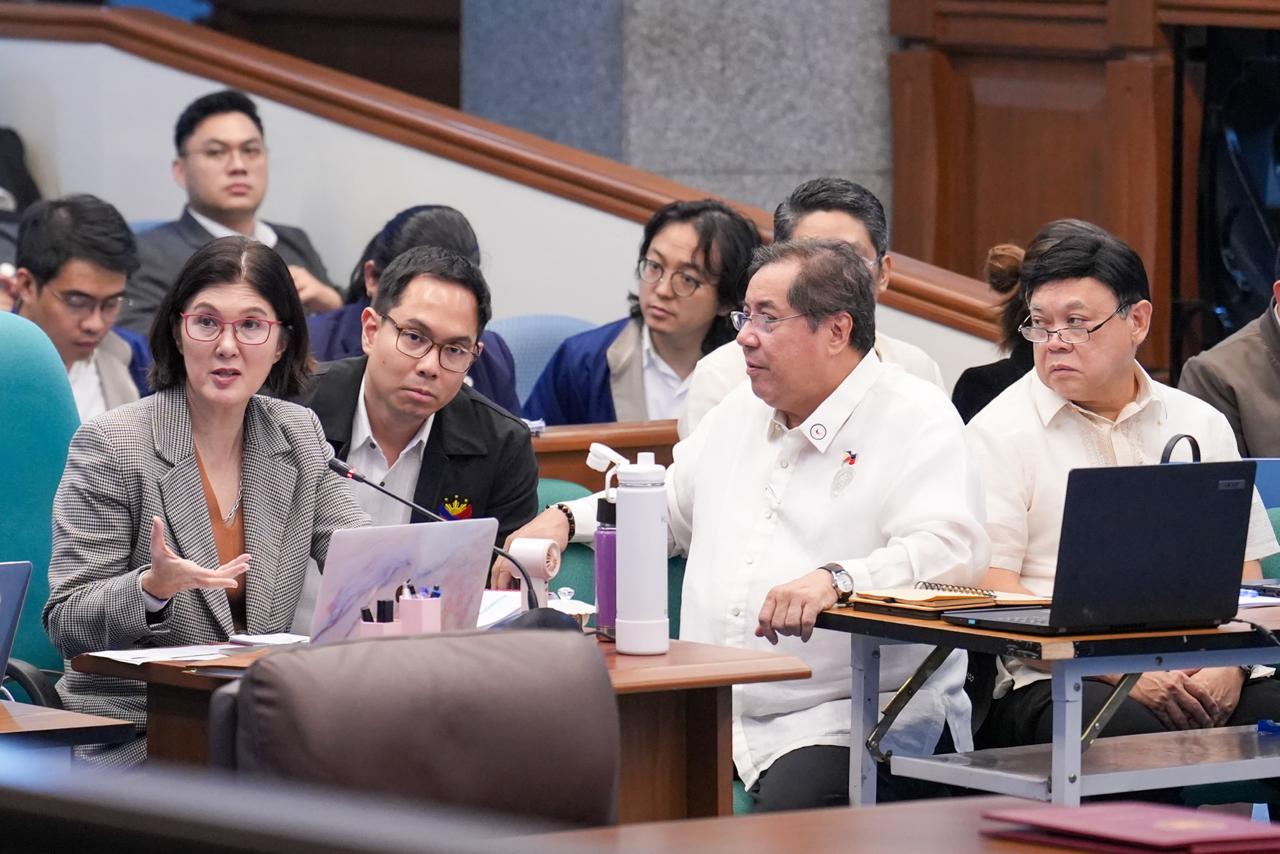
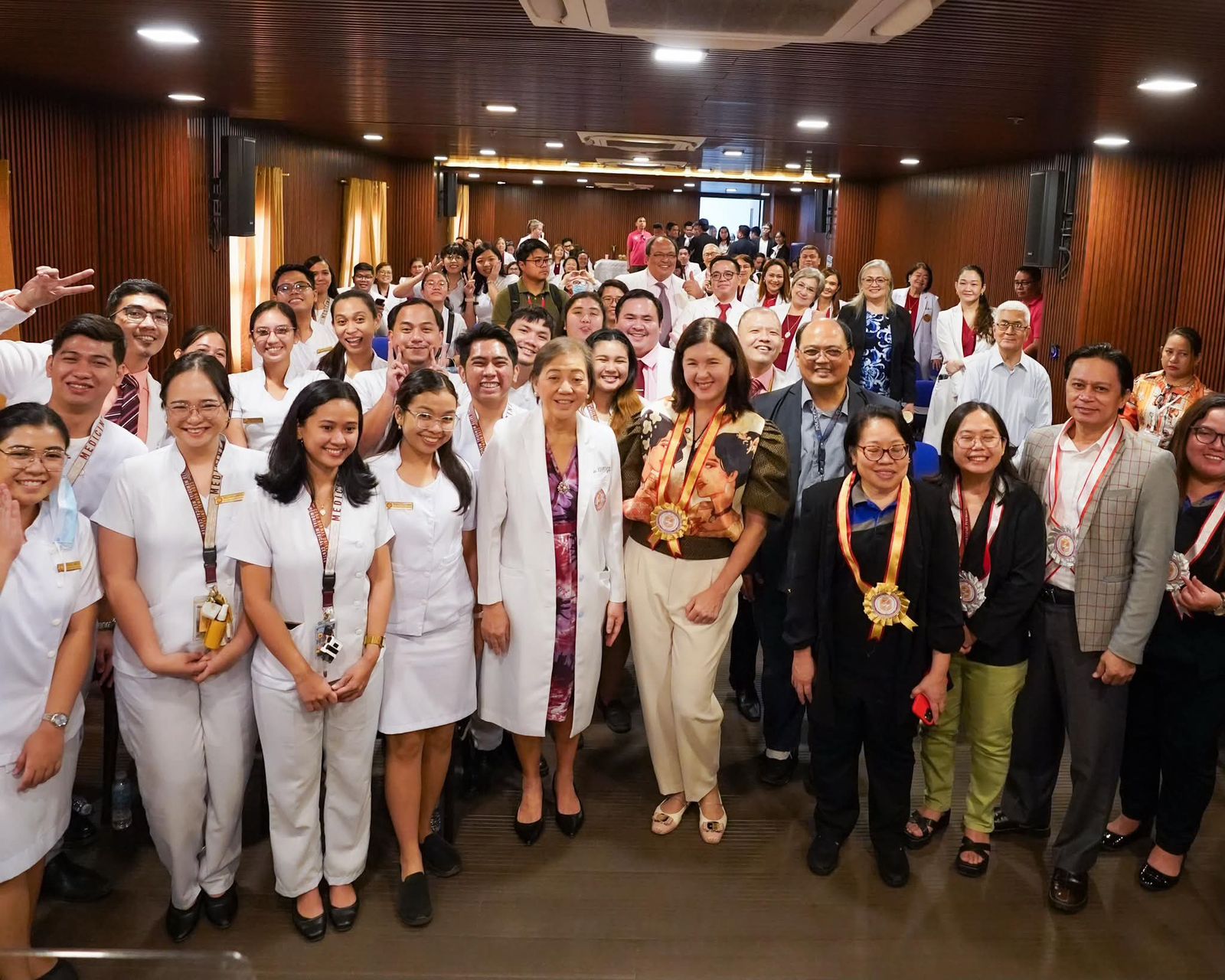
    Senator Pia S. Cayetano welcomed the launch of the Commission on Higher Education’s (CHED) Allied Health Experiential Assistance for Deserving Students (AHEAD) Grant, which will provide financial assistance to around 19,000 healthcare students completing their mandatory clinical and field-based training nationwide.

    “This is exactly the kind of investment we need to make for our future. The most powerful investment we can make for our country is in our education and healthcare sectors, and this program does both at once,” Cayetano said. “I am happy to see that our efforts to strengthen healthcare education are bearing fruit for our students and for the Filipino people.”

    As Senior Vice-Chairperson of the Senate Committee on Finance, Senator Pia Cayetano has long championed the expansion of medical and allied health education. She consistently lobbied for the rightful share of education and health in the national budget, as well as funding for the Doktor Para sa Bayan Act. These efforts helped lay the foundation for programs like the AHEAD Grant, which provides more opportunities for aspiring healthcare professionals to pursue their education and serve Filipino communities.

    Cayetano noted that the AHEAD Grant directly addresses a long-standing burden on healthcare students, many of whom come from families that struggle to afford the cost of clinical training on top of regular tuition.

    “We cannot build a strong healthcare system without first investing in the people who will run it,” she said. “Every health worker who graduates because of programs like this is one more person who will serve Filipino families in their most vulnerable moments. There is no quick fix, but every step we take toward making healthcare education accessible is a step toward a healthier Philippines for all of us.”The grant covers students enrolled in priority allied health programs including nursing, medical technology, physical therapy, occupational therapy, pharmacy, radiologic technology, respiratory therapy, nutrition and dietetics, speech-language pathology, dental medicine, optometry, and veterinary medicine, all tied to the Human Resources for Health Philippine Masterplan 2020-2040.


    ”The Most Powerful Investment We Can Make” — Sen. Pia Cayetano tungkol sa AHEAD Grant para sa mga Healthcare Students

    Mainit ang naging pagtanggap ni Senadora Pia S. Cayetano sa paglulunsad ng Allied Health Experiential Assistance for Deserving Students (AHEAD) Grant ng Commission on Higher Education (CHED), na magbibigay ng pinansyal na tulong sa humigit-kumulang 19,000 healthcare students na kumukumpleto ng kanilang mandatory clinical at field-based training.

    “This is exactly the kind of investment we need to make for our future. The most powerful investment we can make for our country is in our education and healthcare sectors, and this program does both at once,” sabi ni Cayetano. “I am happy to see that our efforts to strengthen healthcare education are bearing fruit for our students and for the Filipino people.”

    Bilang Senior Vice-Chairperson ng Senate Committee on Finance, matagal nang isinusulong ni Cayetano ang pagpapalawak ng medical at allied health education. Patuloy niyang ipinaglaban ang nararapat na bahagi ng edukasyon at kalusugan sa pambansang badyet, gayundin ang pondo para sa Doktor Para sa Bayan Act. Ang mga pagsisikap na ito ay nakatulong sa pagtatayo ng pundasyon para sa mga programang tulad ng AHEAD Grant, na nagbibigay ng mas maraming pagkakataon sa mga nagnanais na maging healthcare professionals na ituloy ang kanilang pag-aaral at maglingkod sa ating mga komunidad.

    Para kay Cayetano, ang AHEAD Grant ay tumutugon sa matagal nang pasanin ng mga healthcare students, kung saan ang marami sa kanila ay nagmumula sa mga pamilyang nahihirapang bayaran ang gastos ng clinical training bukod pa sa regular na matrikula.
    “We cannot build a strong healthcare system without first investing in the people who will run it,” sabi pa niya. “Every health worker who graduates because of programs like this is one more person who will serve Filipino families in their most vulnerable moments. There is no quick fix, but every step we take toward making healthcare education accessible is a step toward a healthier Philippines for all of us.”

    Ang nasabing grant ay para sa mga estudyante na naka-enroll sa mga priority allied health programs, kabilang dito ang nursing, medical technology, physical therapy, occupational therapy, pharmacy, radiologic technology, respiratory therapy, nutrition and dietetics, speech-language pathology, dental medicine, optometry, at veterinary medicine, na lahat ay sumasailalim sa Human Resources for Health Philippine Masterplan 2020-2040.
  • NEWS RELEASE: Zero-Balance Billing only possible with fully funded PhilHealth — Cayetano

    NEWS RELEASE: Zero-Balance Billing only possible with fully funded PhilHealth — Cayetano

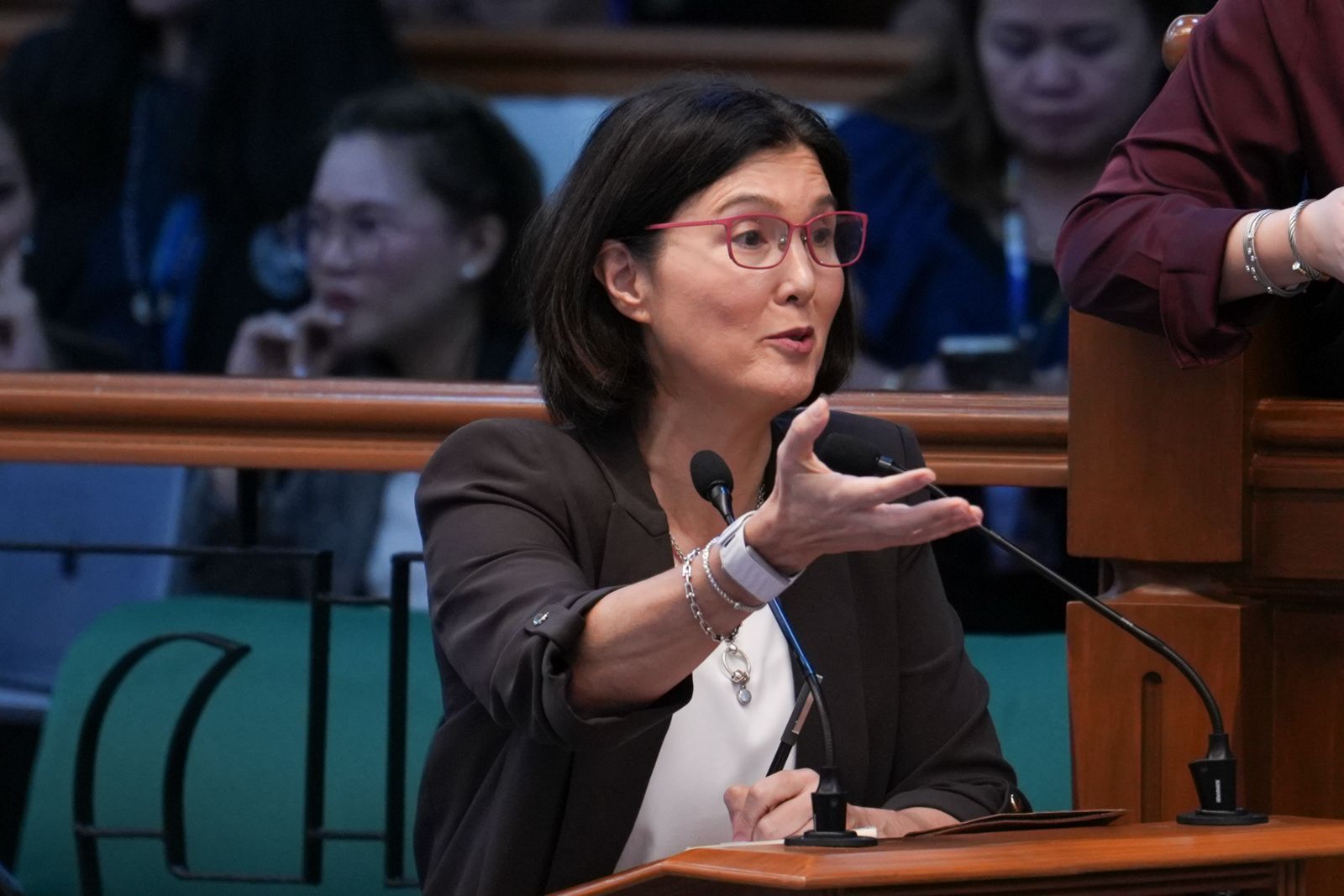
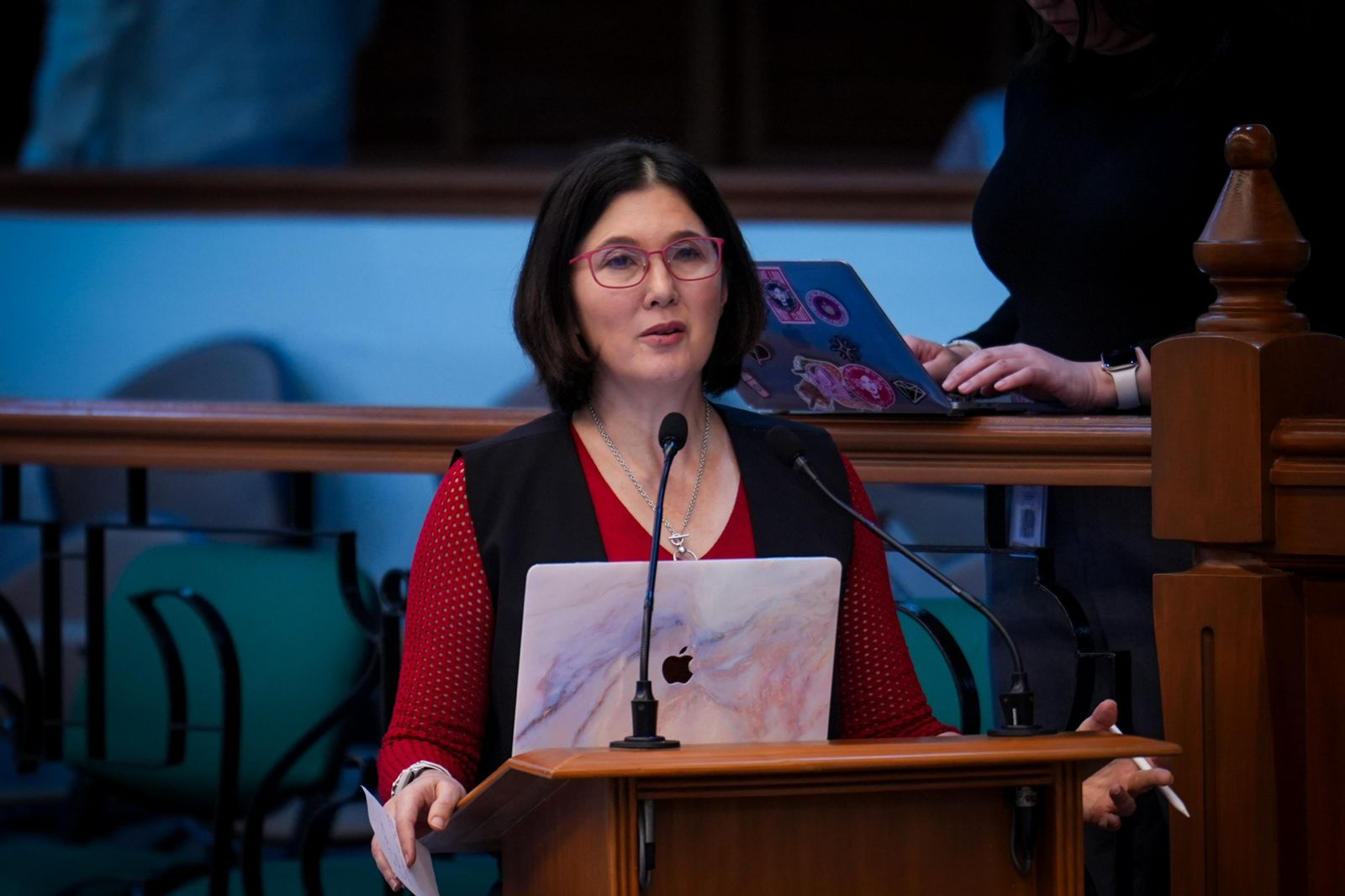
    Senator Pia S. Cayetano stressed that the highly-publicized Zero-Balance Billing (ZBB) policy might just work as intended should the billions in legally earmarked PhilHealth funds be properly allocated to the agency.

    “If PhilHealth were given every peso intended for it, the promise of Zero-Balance Billing would not be limited to a few hospitals. It could be a real, functioning guarantee for every Filipino patient,” Cayetano said.

    Her statement follows the Supreme Court’s ruling on the illegal transfer of P60 billion in PhilHealth funds to the National Treasury in 2024. Explaining her reservations during the third reading of the 2026 GAA, Cayetano said, “This is not a matter of an unfunded law. This is earmarked. So saan napunta yun? What is clear is that the Sin Tax Reform Act of 2019 (RA 11346) earmarks the proceeds of the sin tax for Philhealth. If this is not delivered to Philhealth, I do not want this body to be complicit in this act.”

    The Senator said that while the Supreme Court’s ruling is a welcome correction, it also highlights a deeper problem: even with the ruling, much remains to be fixed both in the budget and in the way the budget is put together.

    During the 2026 budget deliberations, she presented the deficits in sin tax allocations earmarked for PhilHealth from 2023 to 2026, amounting to ₱129.96 billion:

    • 2023: ₱83.9B was earmarked, only ₱79B appeared in the GAA (₱4.9B deficit)
    • 2024: ₱79.01B was earmarked, only ₱40.28B made it to the GAA (₱38.73B deficit)
    • 2025: ₱69.81B was earmarked, but the bicameral conference committee removed the allocation entirely (₱69.81B deficit)
    • 2026: ₱69.78B is earmarked, but only ₱53.26B is in the NEP (₱16.52B potential deficit)

    Cayetano also pointed out that ₱106.95 billion in PCSO and PAGCOR revenues were legally intended for PhilHealth between 2019 and 2025, on top of the ₱60 billion covered by the Supreme Court ruling. “These gaps are not technicalities,” she said. “They are the reason ZBB has not become fully operational.”

    PhilHealth has estimated that it needs at least ₱147 billion more to subsidize indirect contributors and achieve ZBB coverage across DOH hospitals, specialty institutions, and LGU facilities.

    “We cannot celebrate the Supreme Court ruling and then continue underfunding PhilHealth in the very same budget cycle,” she said. “If we want Zero-Balance Billing to work, we must restore every peso legally intended for the health of our people — and fix the process that keeps taking those pesos away.”

  • PHOTO: Sen. Pia supports Proposed Philippine Geriatric Center

    PHOTO: Sen. Pia supports Proposed Philippine Geriatric Center

    Senator Pia S. Cayetano expressed her full support for the proposed Philippine Geriatric Center Act, affirming that “establishing a center that would recognize the importance of healthy aging is a good thing.” She conveyed her readiness to help strengthen the bill’s vision so that its objectives translate into meaningful care for seniors across the country.

    Drawing from international models such as the Dementia Village, Cayetano outlined the direction of her potential amendments, building on the bill’s mandate to train healthcare professionals, social workers, and volunteer organizations amid a severe shortage of geriatric specialists. She emphasized the need for a well-planned, state-of-the-art center supported by a “battalion of trained personnel,” along with compassionate features such as spaces where families can stay close to their elderly loved ones.

  • NEWS RELEASE: As it should be — Sen. Pia says SC Ruling Confirms Long-Standing Legal Mandate on PhilHealth Funds

    NEWS RELEASE: As it should be — Sen. Pia says SC Ruling Confirms Long-Standing Legal Mandate on PhilHealth Funds

    Senator Pia S. Cayetano said the Supreme Court’s ruling striking down the transfer of PhilHealth funds confirms what she has repeatedly stressed: that the law leaves no room for diversion and that PhilHealth funds must remain dedicated to the healthcare of Filipinos. “PhilHealth funds exist for the health of the Filipino people and cannot be used for any other purpose,” Cayetano said.

    From the outset of the 2026 budget deliberations, Cayetano repeatedly cautioned that years of underfunding PhilHealth ran counter to the letter and intent of existing laws. In her interpellation on the General Principles of the 2026 national budget, she presented a four-year deficit of 129.96 billion pesos between sin tax revenues mandated for PhilHealth and the amounts actually released. She also highlighted 106.95 billion pesos in Philippine Charity Sweepstakes Office (PCSO) and Philippine Amusement and Gaming Corporation (PAGCOR) earmarked funds that had not been transmitted since 2019, noting that the removal of 60 billion pesos from PhilHealth’s subsidy only deepened the gap. She stressed that 296.91 billion – almost 300 billion – pesos in legally earmarked health funds had not reached PhilHealth despite explicit statutory requirements.

    “It shall be allocated and used exclusively in the following manner. What else is there to say? As lawmakers, ano pang language ang kailangang gamitin para siguraduhin na ganito ang paggamit ng pondong ito?” she said, underscoring that the mandates of the Sin Tax laws and the Universal Health Care Act leave no room for administrative reinterpretation.

    As Senior Vice-Chairperson of the Senate Committee on Finance, which handles the health budget, Cayetano had objected to the removal of PhilHealth’s government subsidy in 2025. Her objection ultimately prompted her to sign the bicameral report of the 2025 General Appropriations Act with reservations, making clear that the issue of PhilHealth’s excess funds should be addressed separately.

    “This is about upholding the law and protecting the rights of millions of Filipinos who rely on PhilHealth coverage,” Cayetano emphasized.

    For the Senator, the Supreme Court’s decision strengthens these protections and ensures that the legal framework supporting the Universal Health Care Act is upheld. “As we welcome this decision, we celebrate it together with the advocates who fought for it, but above all, with the Filipino people who stand to benefit the most,” she said. “Our responsibility now is to ensure that every peso ordered returned remains in the final General Appropriations Act and fulfills its purpose of improving the health and lives of our people.”#

  • PHOTO: Senate passes proposed 2026 DOH Budget

    PHOTO: Senate passes proposed 2026 DOH Budget

    The Senate has approved the proposed 2026 budget of the Department of Health (DOH), adopting key amendments endorsed by Senator Pia Cayetano in her capacity as sponsor and Senior Vice Chair of the Finance Committee. The Senator stressed that these adjustments are intended to further strengthen the health system, improve access for indigent patients, and ensure that critical programs receive the targeted support they need.

    Under these amendments, additional funding will reinforce and expand the Zero-Balance Billing Program in DOH and regional hospitals, including a pilot rollout in selected local government hospitals as determined by the department. The budget also provides for the direct allocation of medical assistance funds to major government specialty hospitals such as the Philippine Heart Center, National Kidney and Transplant Institute, Lung Center of the Philippines, and Philippine Children’s Medical Center. Further support was granted to the Research Institute for Tropical Medicine and the Philippine Institute of Traditional and Alternative Health, ensuring that essential institutions remain equipped to deliver life-saving care to Filipino families.

  • PHOTO: Senator Pia Cayetano continues her sponsorship of the 2026 DOH Budget

    PHOTO: Senator Pia Cayetano continues her sponsorship of the 2026 DOH Budget

    November 26 — Senator Pia Cayetano, Senior Vice Chair of Finance, resumed her sponsorship of the proposed 2026 budget of the Department of Health in continuation of last week’s deliberations.

    Responding to the Senate President’s questions, Cayetano cited her recommendation for additional funding to support indigent patients, covering health packages for complex conditions such as cancer, as well as brain, lung, gastrointestinal, dental and kidney diseases.

    Instead of increasing the agency’s MAIFIP funding, she noted that her proposal channels funds directly to the public hospitals – with each specialty hospital receiving P1 billion – to better serve patients in need.

  • Senator Pia sponsors 2026 DOH budget

    Senator Pia sponsors 2026 DOH budget


    “Good health is the foundation of sustainable development. By investing in our people’s health today, we are upholding our commitment to universal healthcare and ensuring intergenerational fairness for all Filipinos.

    On Monday, Senator Pia S. Cayetano, Senior Vice Chairperson of the Senate Committee on Finance, sponsored the proposed 2026 budgets of the Department of Health and its attached agencies and corporations, including the Philippine Health Insurance Corporation.

    Among her key funding recommendations were the expansion of the Zero-Balance Billing (ZBB) Progam in DOH and regional hospitals, support for its pilot implementation in select LGU hospitals, and the direct allocation of the Medical Assistance to Indigent and Financially Incapacitated Patients (MAIFIP) to government hospitals. She also called for continued support for the Research Institute for Tropical Medicine (RITM) and other specialty hospitals.

    As Chairperson of the Committee on Sustainable Development Goals, Innovation, and Futures Thinking, Sen. Cayetano reviewed the health budget through the lens of SDG 3 (Good Health & Wellbeing), ensuring that investments advance universal healthcare, preventive care, healthy lifestyles, and equitable access to services.

    Building on these priorities, she reiterated that sin tax revenues must be fully allocated to health as mandated by law, emphasizing that these funds are essential for strengthening healthcare and expanding access to services for all Filipinos.

  • Sen. Cayetano urges support for stronger preventive and universal healthcare

    Sen. Cayetano urges support for stronger preventive and universal healthcare

    Senior Finance Vice Chairperson Sen. Pia S. Cayetano pushed for stronger support for preventive and universal healthcare as she opened deliberations on the 2026 budget of the Department of Health. She raised concern over the under-allocation of sin tax revenues intended for Philhealth, urging that the full amount mandated by law be remitted. For 2026, she noted that only ₱53.26 billion was included in the National Expenditure Program, despite certifications from the BIR and BOC showing that ₱69.78 billion should have been allocated by law.

    Cayetano, who is the Committee on Sustainable Development Goals (SDGs), Innovation, and Futures Thinking Chairperson, also stressed the need to align the health budget with SDG 3: Good Health and Well-Being, calling for better hospital infrastructure, more health workers, and interventions to reduce out-of-pocket expenses. She likewise acknowledged the recent Cebu earthquake and urged DOH to record its response and mobilize volunteers.

  • Sen. Pia Cayetano co-sponsors Resolution declaring National Family Week

    Sen. Pia Cayetano co-sponsors Resolution declaring National Family Week

    “Celebrate, but choose health,” Senator Pia S. Cayetano emphasized as she co-sponsored Proposed Resolution No. 125, introduced by Senate President Vicente Sotto III. The measure expresses the sense of the Senate to declare the last week of September of every year as National Family Week.

    Known for her consistent advocacy on health and nutrition, Senator Cayetano stressed the importance of honoring the Filipino tradition of celebrating family milestones, while also encouraging families to adopt healthier choices during these gatherings. She cautioned against the excessive consumption of soft drinks, fatty, and sugary foods that are heavily marketed to the public. For her, National Family Week should not only bring families closer together, but also inspire them to prioritize nutrition and overall well-being for a stronger, healthier future.

  • Cayetano delivers privilege speech marking National Breastfeeding Month

    Cayetano delivers privilege speech marking National Breastfeeding Month

    As a longtime advocate and sponsor of the Expanded Breastfeeding Promotion Act, Senator Pia S. Cayetano marked National Breastfeeding Month with her annual privilege speech – a tradition she has kept for two decades.

    Calling breastfeeding “nature’s first immunization,” the senator underscored its role in protecting children from malnutrition and disease, while also advancing several Sustainable Development Goals.

    Despite this, only 50.4% of Filipino infants are exclusively breastfed in their first six months, leaving many families to depend on unsafe or less nutritious alternatives.

    Cayetano also highlighted the progress achieved through her law requiring lactation stations and workplace support for nursing mothers, but urged government agencies, schools, and LGUs to sustain and strengthen programs that encourage breastfeeding.