Official Website of Philippine Senator Pia Cayetano

News

  • Over 1M abandoned, neglected kids need a caring home

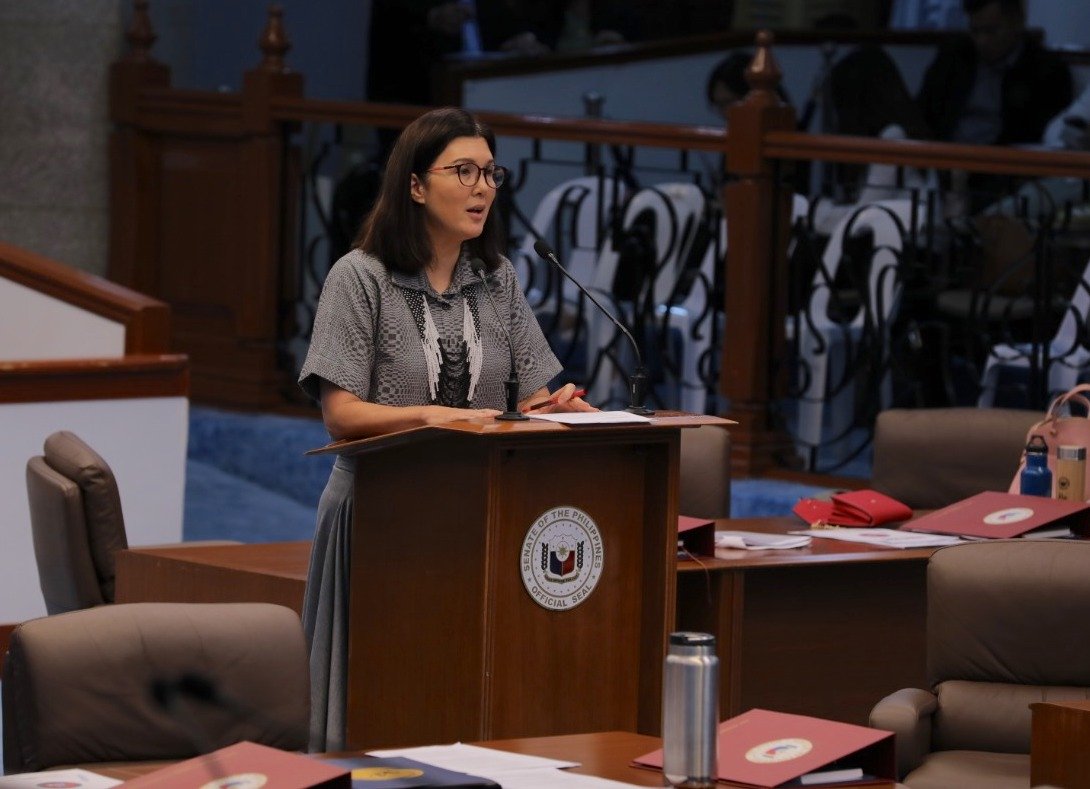
    Senator Pia S. Cayetano is pushing to synchronize the country’s different adoption laws to hasten the process of finding a ‘second home’ for abandoned and neglected children across the country.

    Cayetano delivered a privilege speech on Wednesday (February 26) to urge her fellow senators to support her bill, the Alternative Child Care Act (SBN 61). Her speech also coincided with the commemoration of February as Adoption Consciousness Month.

    Citing a report from the United Nations’ Children’s Right and Emergency Relief Organization (UNICEF), Cayetano said about 1.8 million Filipino children remain abandoned or neglected for various reasons, including extreme poverty, domestic problems, natural disasters, armed conflicts, and other issues.

    Meanwhile, the senator cited data from the Department of Social Welfare and Development (DSWD) showing that only around 2,191 children in the country have been placed for domestic adoption between 2010 and 2018.

    “In eight years, [that’s] less than 300 children we are placing for adoption [yearly],” she pointed out.

    “It is my personal conviction that we consider the state of each of these [abandoned and neglected] children,” added Cayetano, herself a foster parent and eventual adoptive mother to her 8-year-old son, Rene Lucas.

    SBN 61 seeks to codify the country’s different laws on alternative child care and further improve the country’s foster care programs, such that out-of-home care provided by residential facilities shall only be a last resort for abandoned and neglected children.

    The bill also makes domestic adoption administrative in nature in order to streamline its procedures and make formal adoption more accessible to families who are willing and qualified to adopt a child.

    “The Constitution states that, ‘the State shall defend the right of children to assistance, including proper care and nutrition, and special protection from all forms of neglect, abuse, cruelty, exploitation, and other conditions prejudicial to their development,’” Cayetano cited in her privilege speech.

    “I leave all of you with that visual of 1.8 million Filipino children without families who will care for and love them – not a mother or father to read them a bedtime story, to tuck them in, to even ensure that they come home when the sun goes down,” she added

    “This is the objective of improving our law, so that we can expedite our [adoption and foster care] procedures, and we can place these children [under foster or adoptive families] faster so that they can have the home that they deserve,” the senator concluded. #

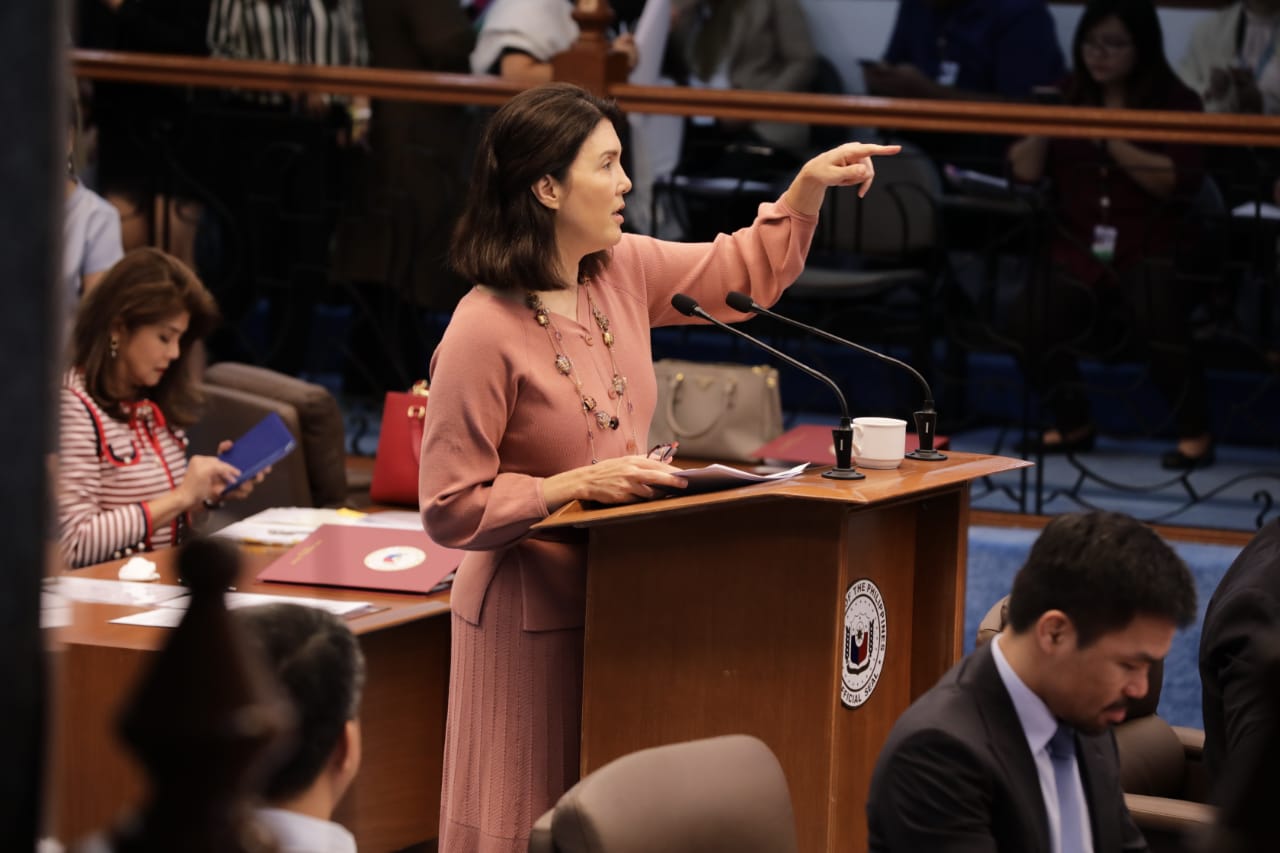
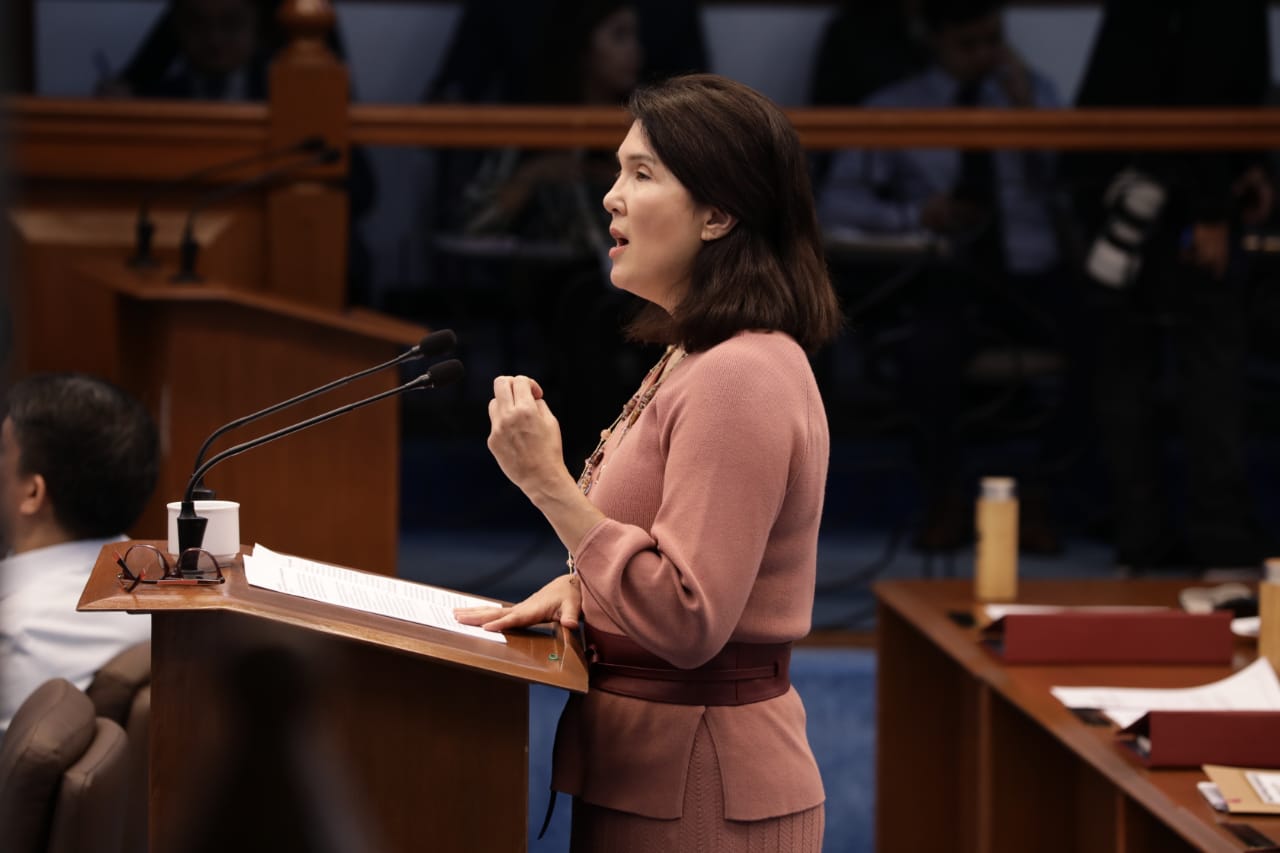
    Senator Pia S. Cayetano delivers a privilege speech at the Senate in commemoration of February as ‘Adoption Consciousness Month.’ (February 26, 2020)
    In this file photo, then House Deputy Speaker Pia S. Cayetano stands witness to the christening of three babies under the care of Taguig Lingap Center, the city’s shelter for children at risk.
  • CITIRA:  A fair deal for business, a winning deal for Filipinos

    Sponsorship speech of Senator Pia S. Cayetano

    Chairperson, Committee on Ways and Means

    February 19, 2020


    Mr. President, distinguished colleagues, today, I rise to sponsor and seek your support for Senate Bill No. 1357, per Committee Report No. 50, also known as the CITIRA bill, which has 2 main objectives:


    (1) lowering the corporate income tax rate; and (2) modernizing the tax incentive system, making it more fair, efficient, and accountable.
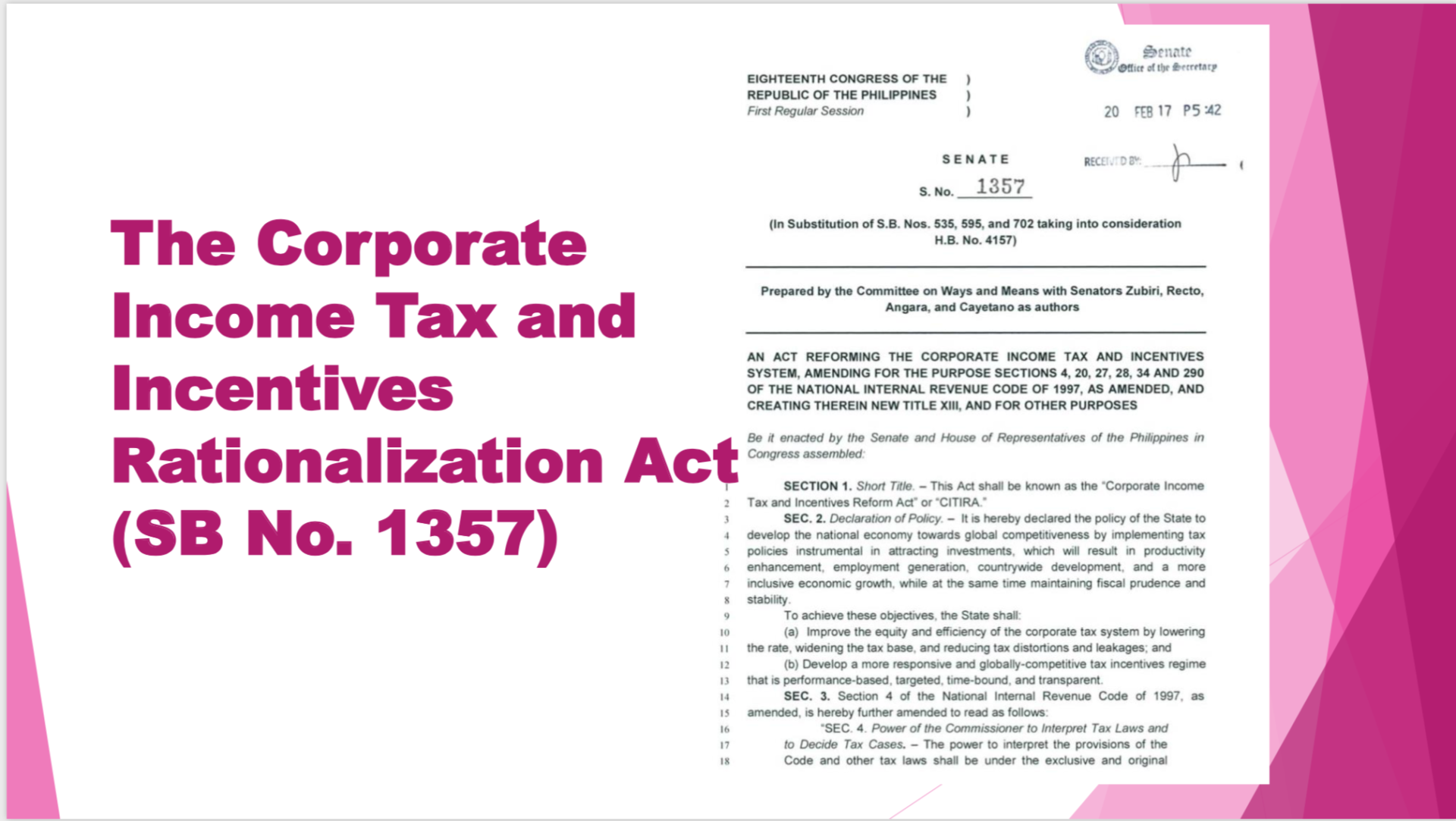
    Mr. President, from the onset let me clarify a major issue. A major source of resistance to this bill is the fear that incentives will be removed once this measure is enacted. This will not be the case, Mr. President. In truth, what we intend to do is to continue a sound incentives scheme, the details of which this representation will explain as we go along.


    Having said that, allow me to start with a bit of history. 

    I am sure that both Senate President Sotto and Senate Minority Leader Drilon, the leaders of both sides of this chamber, would also know from their experience that ever since a bill on rationalizing tax incentives was first proposed in 1995, the Department of Finance and the Department of Trade and Industry have urged Congress to finally make this crucial reform happen.

    But even further down memory lane, when I was a college student in the school of Economics of the University of the Philippines, my father, the late Senator Rene Cayetano, was a member of the Batasan and was appointed as the Deputy Minister for Trade and Industry Administrator of the Export Processing Zone Authority otherwise known as EPZA. I had the opportunity to visit the export processing zones in Bataan, Baguio, and Cebu. In fact, my thesis was on fiscal incentives. This was in 1985.
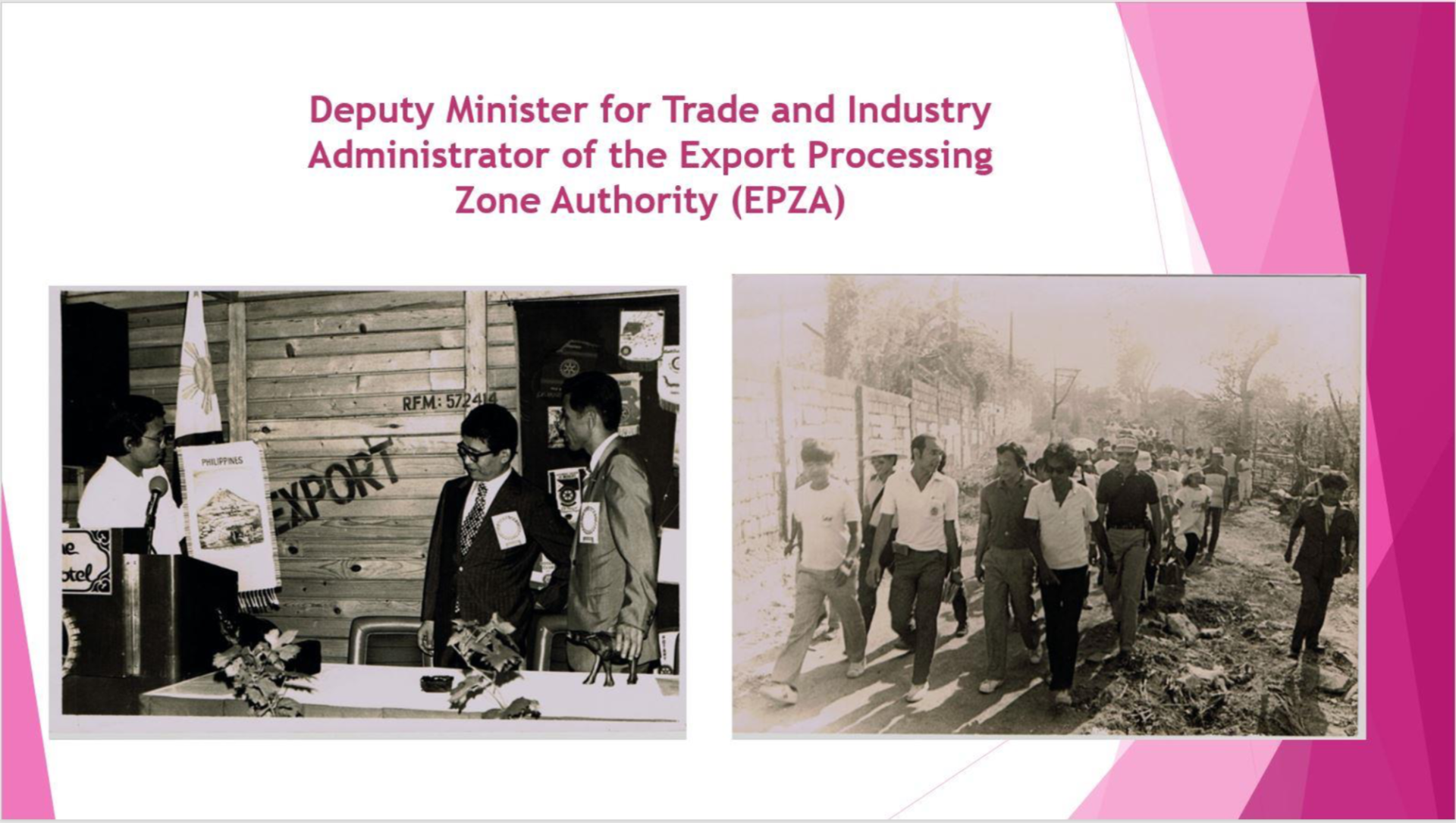
    And here we are today in the year 2020. 

    Mr. President, in the series of hearings and meetings we conducted, we gave members of the business community, civil society, the academe, government, and business associations the opportunity to share their views in depth. The DOF and the DTI also held their own briefings with key stakeholders. The bill before us is a new and fairer deal between businesses and the Filipino people.
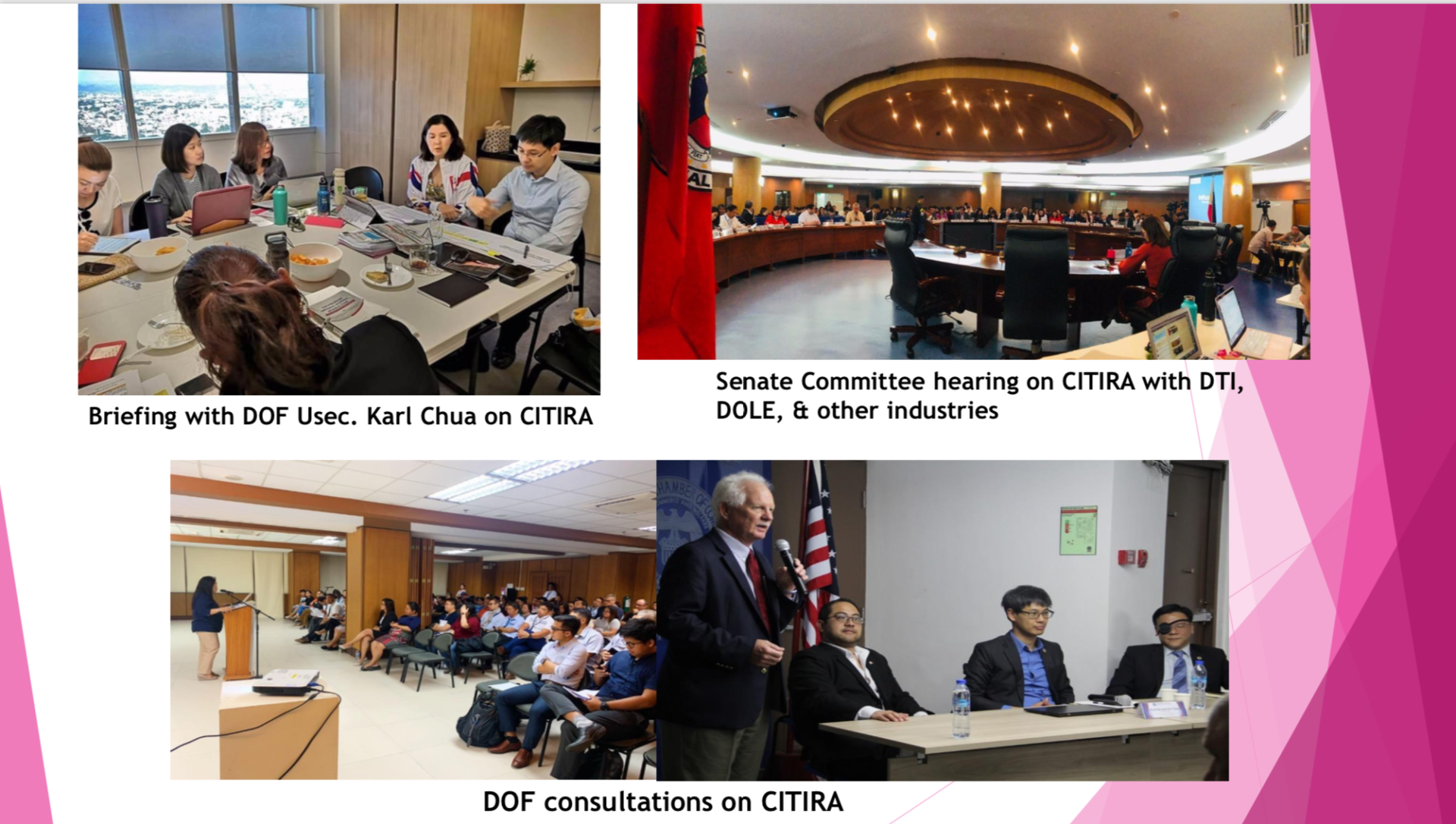
    So where are we now and what are we doing? 

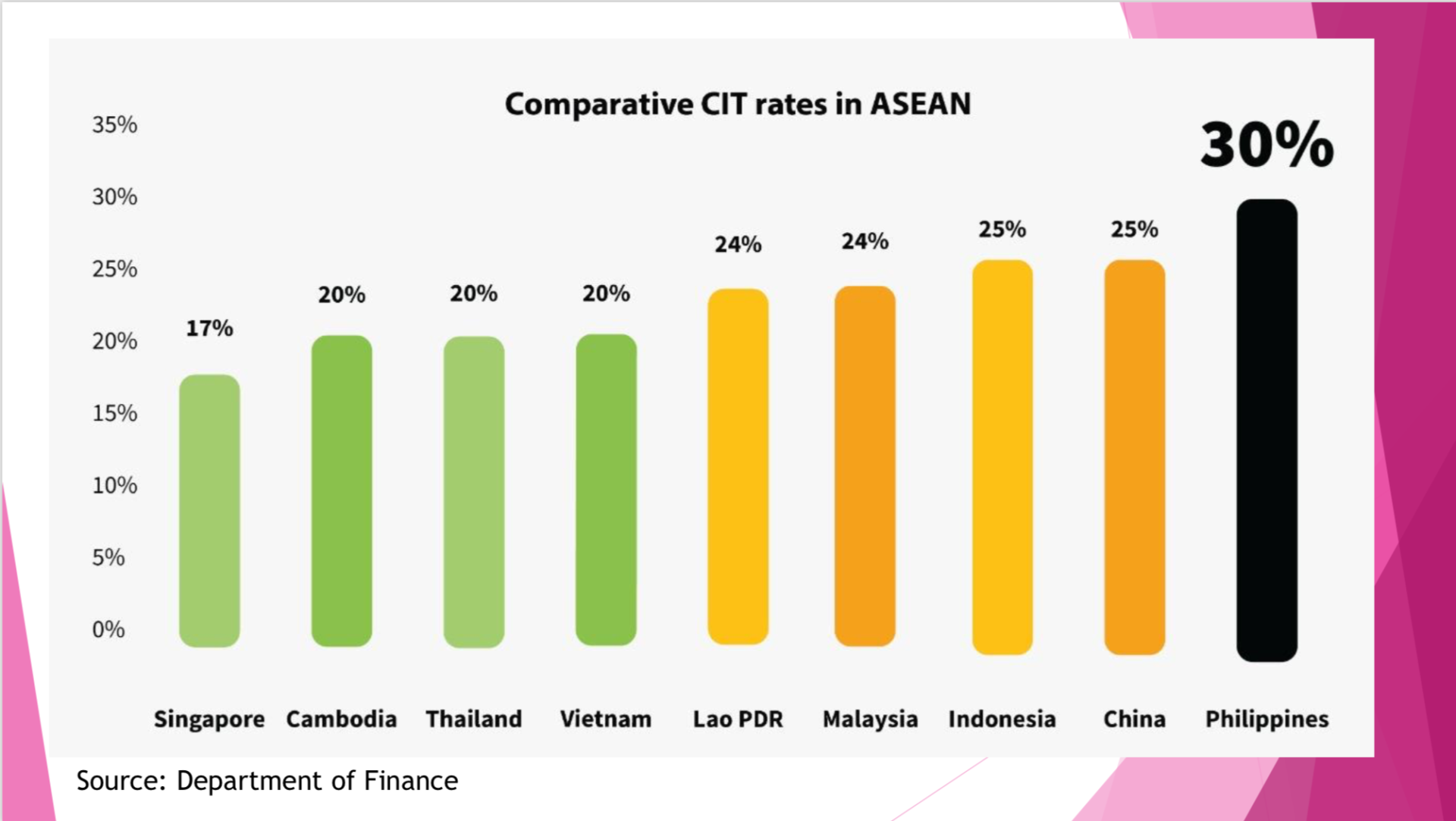
    We are cognizant that Philippine enterprises are the backbone of the economy and that they contribute to national development by supplying much-needed employment and livelihood. And yet, companies doing business in the Philippines are slapped with a 30 percent corporate income tax rate, the highest in the region.
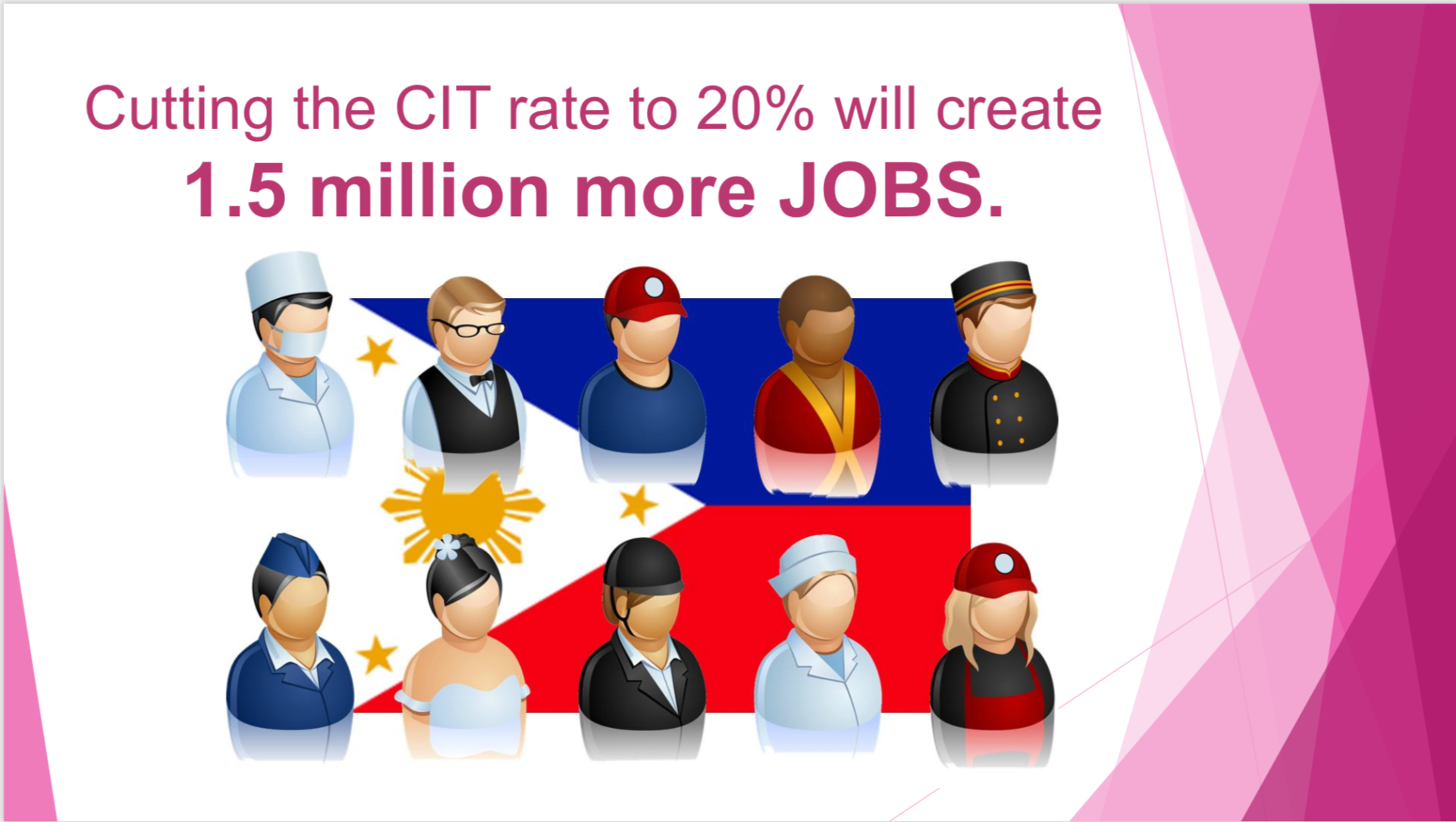
    To address this, we will bring down the Corporate Income Tax rate from 30% to 20% over the next ten years. This should result in some 1.5 million more jobs, a feat I am certain we can accomplish, inso far as we have already provided millions of jobs to the economy. We believe that the reduction of 1% per year, is the pace that does not compromise the country’s vital fiscal resources.
    However, Mr. President, we cannot talk about the corporate tax regime without earnestly discussing the tax regime for companies that have received unreviewed, and almost unconditional special tax treatment for decades.


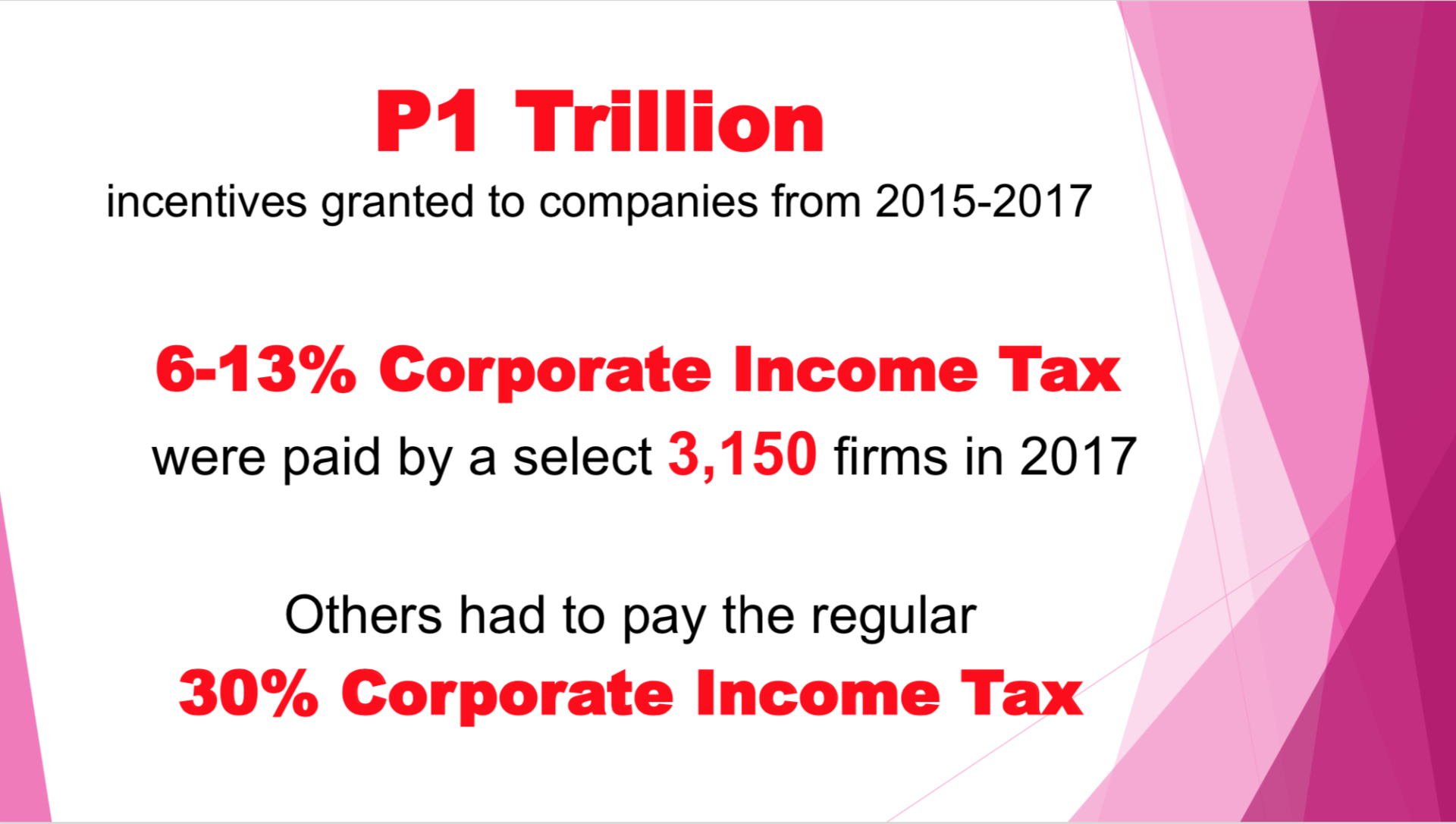
    From 2015 to 2017, the Philippine government granted more than one trillion pesos in tax incentives in the form of exemptions and tax discounts to various companies. In 2017 alone, the government granted billions of pesos to a select group of some 3,150 businesses. These companies pay an effective rate of 6 to 13 percent of Corporate Income Tax as opposed to other enterprises that pay the regular 30 percent Corporate Income Tax.
    Let me make this clear again, I mention the amount of incentives, Mr. President, not to say that we will scrap them. All we want to do is rationalize them.

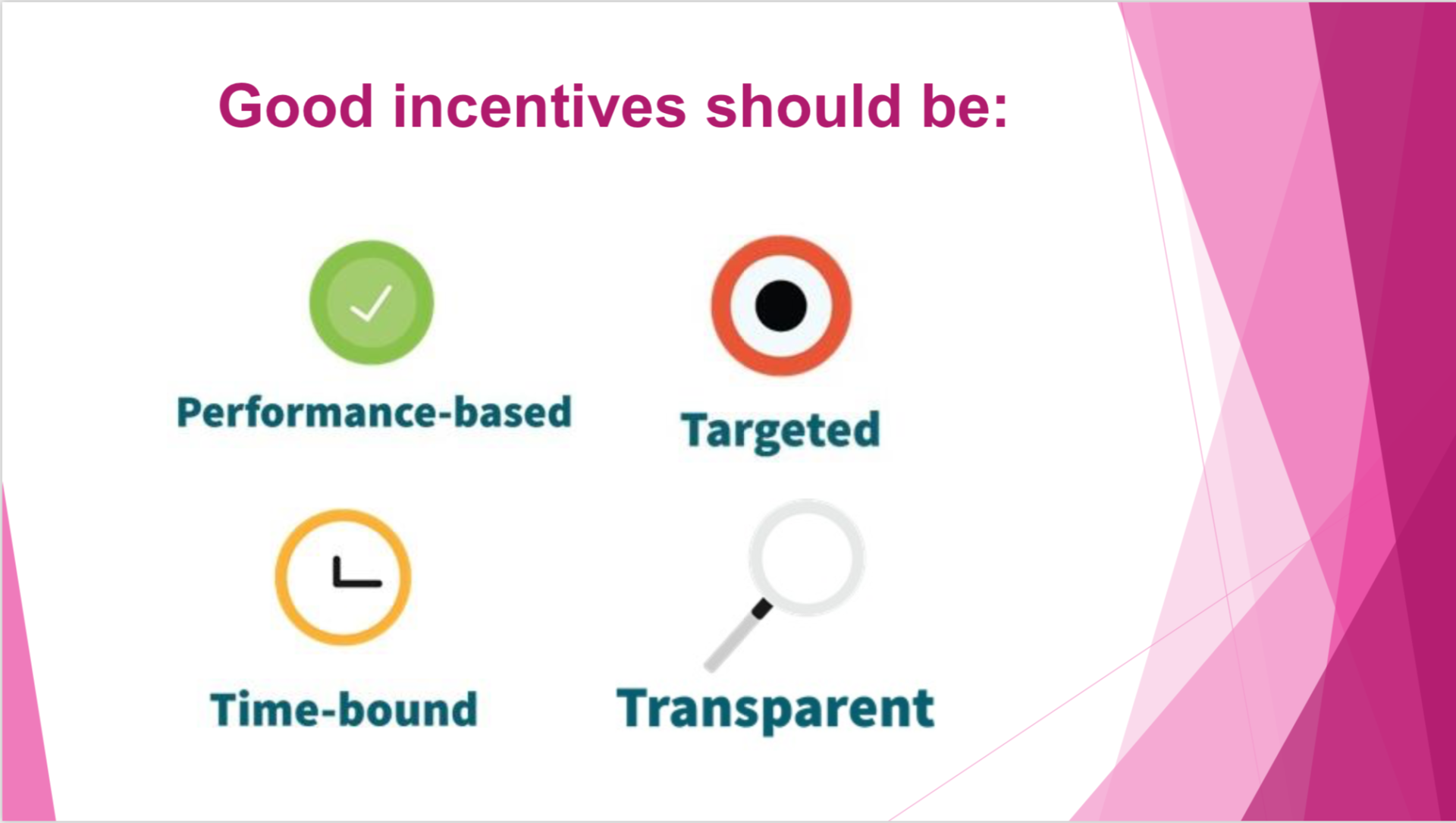
    Incentives should not be given out to any corporation without the proper conditions. They should be performance-based and targeted, and granted in such a way that would benefit the public – by way of providing employment, boosting needed industries, and promoting the growth of less-developed areas in the country.
    When we give out incentives on behalf of the people, then we are duty-bound to ascertain that we get what is rightly due to them. That is the essence of this bill: a fair deal for all, and the best deal for Filipinos.

    My point, Mr. President, is that true incentives yield results, like the situation with our neighbors, Singapore and Malaysia. If a tax perk is given, without a clear set of conditions, without a time limit, and without adequate oversight, it’s not an incentive. It is a giveaway, and this country cannot afford corporate giveaways.


    The billions of incentives we granted are equivalent to more than 10 percent of our 2020 national government budget, around 80 percent of DEPED budget, and more than four times the amount allocated to the Department of Health.


    So let’s discuss tax incentive principles 

    With billions of pesos on the line, we need to ensure that the incentives which the government provides are in accordance with the following principles based on international good practices:


    1. Performance-based: There should be clear attainment of actual investment, job creation, export, country-side development, and research and development commitments, else incentives will only be wasted. Parang scholarship grant, dapat may resulta, pasado sa exam at maka-graduate.
    2. Targeted: To minimize leakage and to avoid spreading our scarce resources too thinly, tax incentives should be given to activities with significant positive contribution to the economy, or those that really matter for the future, as specified in a strategic investment priority plan (SIPP), to be determined by the Board of Investments (BOI).
    3. Time-bound: There should be a reasonable timeframe for the enjoyment of incentives, and an extension period for companies that perform and contribute to the economy. Parang allowance na binibigay ng magulang sa anak, hindi pwedeng habang-buhay; and
    4. Transparent: Monitoring and evaluation of tax incentives should be institutionalized and reported by the government to the public. Yung pinaghirapang buwis ng ordinaryong taxpayer ang ginagamit nating pampondo sa incentives, kaya nararapat lamang na alam ng taumbayan kung saan napupunta ang buwis niya.


    And let me add another principle: the incentive system should also be governed well. Currently, there are 13 different investment promotion agencies, or IPAs, each with its own charter and mandate, that offer different menus of incentives to various industries, sometimes not in line with national priorities, and often without the DOF or DTI knowing. As a result, there is no one simple set of incentives that the country may promote to potential investors. This can be very confusing and definitely not investor-friendly.


    Another concern is that the number of industries that could potentially get incentives from these IPAs, which is some two-thirds of the economy, also makes our incentive system indiscriminately open to just any activity, and thus open to abuse.


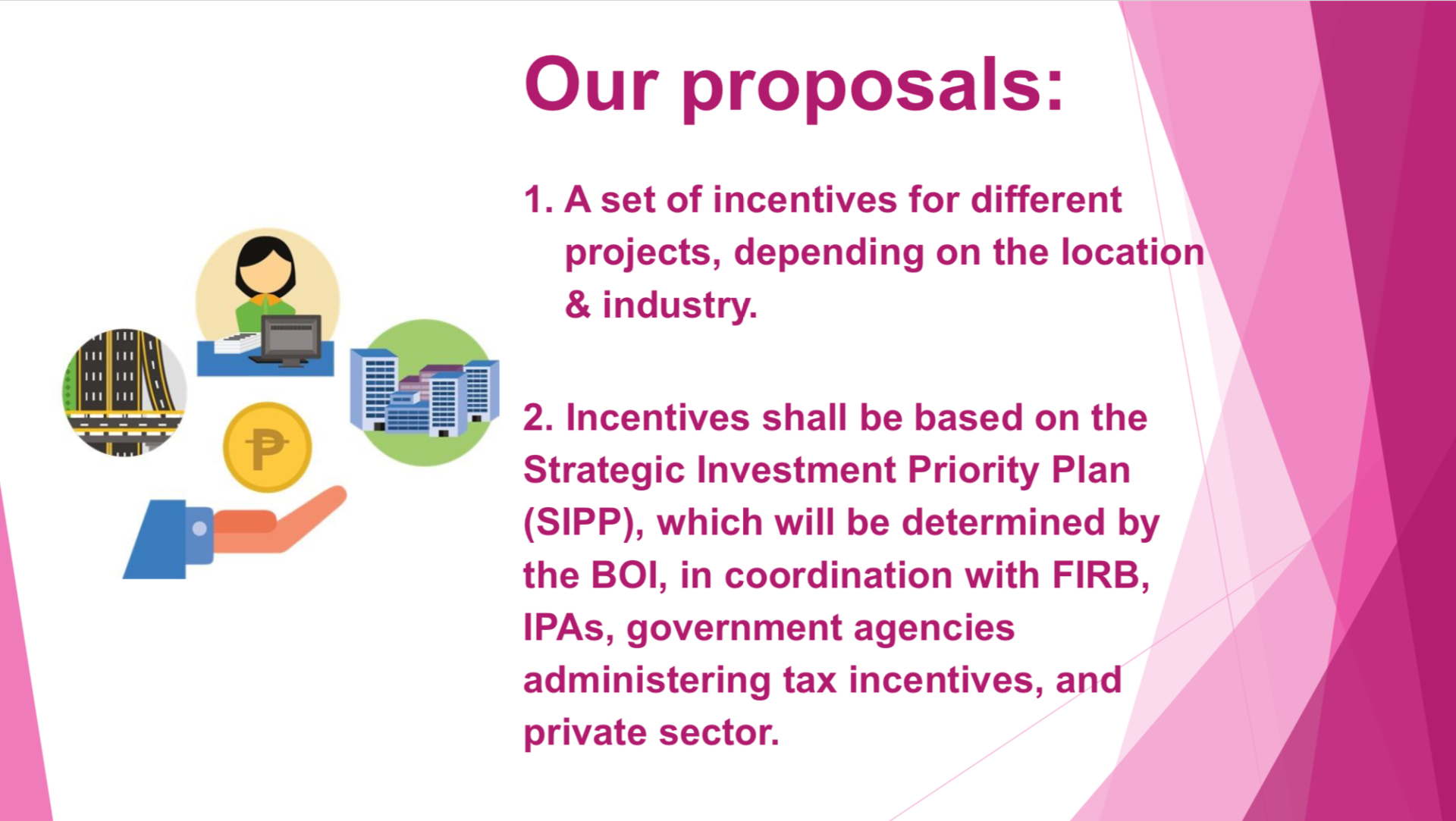
    This representation thus proposes that there be: (1) a set of incentives for different projects or activities, depending on the location and industry, and (2) incentives that shall be based on the Strategic Investment Priority Plan (SIPP), which will be determined by the BOI, in coordination with the Fiscal Incentives Review Board, IPAs, government agencies administering tax incentives, and the private sector. We also propose to expand the functions of the Fiscal Incentives Review Board, a body that currently grants incentives to government-owned or controlled corporations, to also approve all incentives given to private companies, as recommended by the IPAs. We also recommend this board to oversee the IPAs. This much-needed governance reform is at the heart of the CITIRA bill.
    Before I proceed with more details of the proposed bill, allow me to acknowledge the work of some of our predecessors such as Senator Recto, who filed the first Fiscal Incentives Review Board expansion bill in 2001 and Senator Drilon, who authored the Tax Incentives Management and Transparency Act, or the TIMTA Law, passed in 2015. The law mandates companies to provide the government with data to estimate the tax incentives they receive, which is now being used to objectively assess our tax incentives. Both senators, along with Senators Lacson and Villar, have also filed in previous congresses bills on fiscal incentives rationalization. We are now building on their ideas to move the reform forward.


    I would also like to put on record that our team painstakingly took the time to ease the transition period for investors and minimize the drastic changes the new incentive scheme could bring to their businesses.


    Let me now discuss the salient points of the reform as proposed by this representation.


    Reduction in the corporate income tax rate 

    As mentioned earlier, the corporate income tax rate shall be lowered gradually by one percent every year, from the current 30 to 20 percent by 2029.
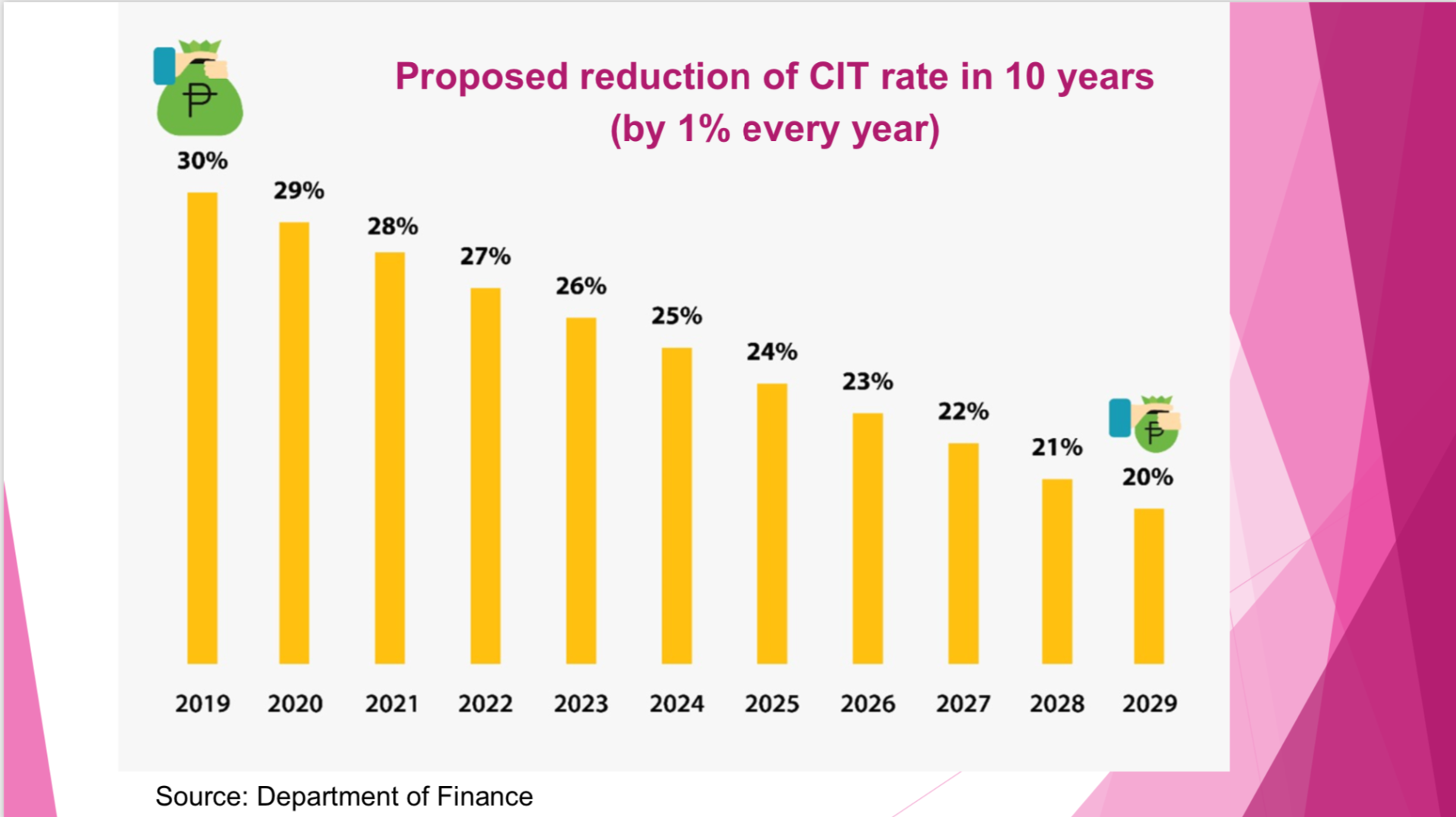
    We have made the reduction of corporate income tax automatic in our version for the first five years to ensure predictability. By 2025, the reduction can be suspended by the President upon recommendation of the Secretary of Finance, if the projected deficit target as a percent of GDP exceeds the programmed deficit.


    Modernization of the fiscal incentive system 

    The centerpiece of the country’s current tax incentives regime is the income tax holiday or ITH for 4 to 6 years, and the special 5 percent tax on gross income earned, or GIE, in lieu of all taxes, both national and local.


    The 5 percent tax on GIE is granted forever without conditions, even if the firm does not contribute to the economy in terms of jobs and exports at a level commensurate to the amount of incentives given. Colleagues, no other country gives incentives forever.


    Dear colleagues, it is time to end a regime that distributes costs to many, and concentrates benefits to a few.


    Sunset provisions 

    After listening to the concerns and apprehensions of existing investor groups that will be affected by this bill, we came up with terms that address their request for a smoother transition period. This addresses our objective, which is to keep companies and investors here in the country while rationalizing the incentives that we give them.


    For those granted ITH only 

    Existing registered activities granted the income tax holiday shall be allowed to complete the remainder of their ITH period.

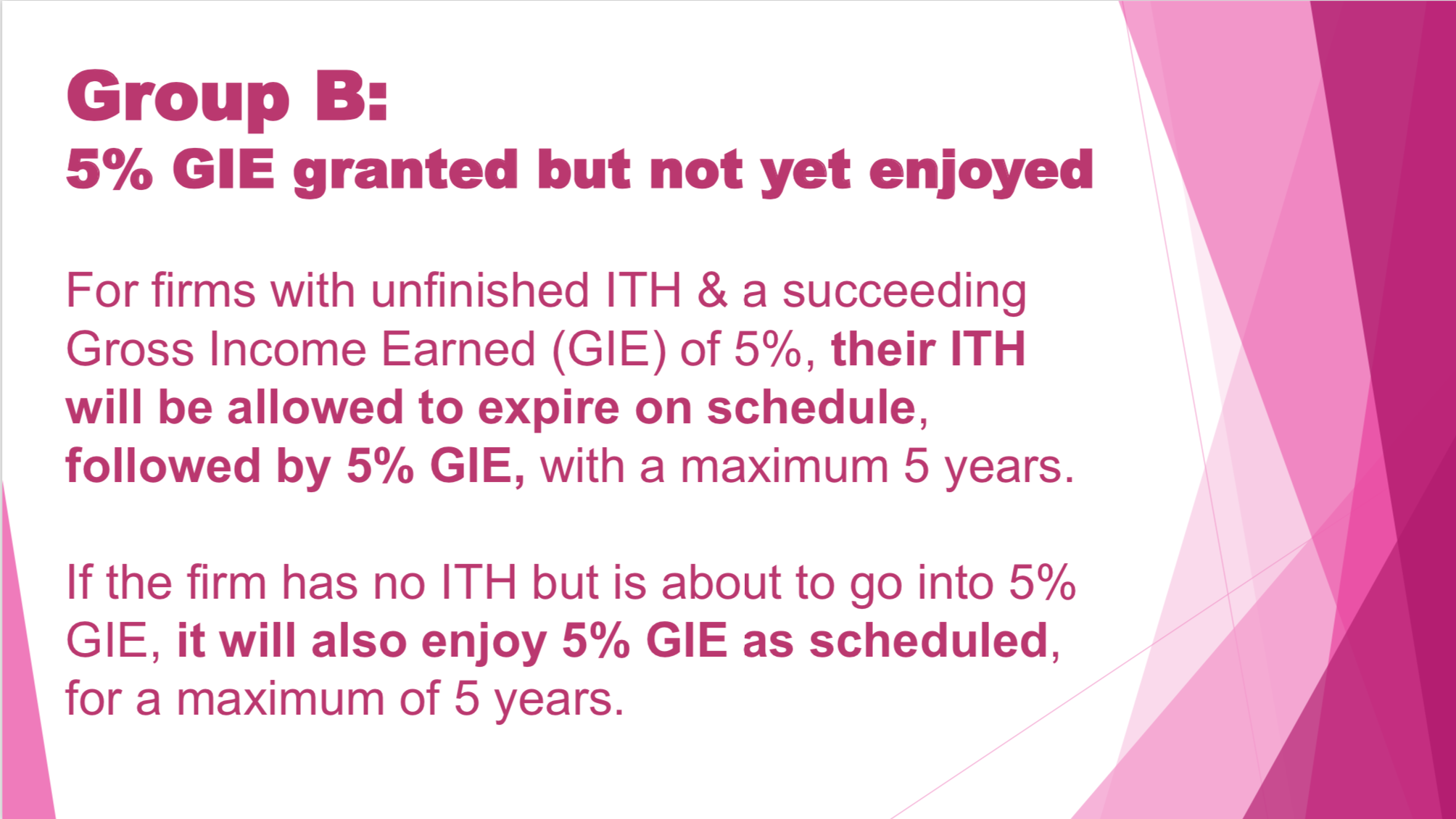
    For those granted 5% GIE but not yet enjoyed

    These are the firms with unfinished ITH and a succeeding Gross Income Earned (GIE) of 5%. In their case, their ITH will be allowed to expire on schedule and will be followed by a 5% GIE, with a maximum of 5 years. If the firm has no ITH but is about to go into 5% GIE, they will also enjoy 5% GIE, for a maximum of 5 years.
    Granted and currently enjoying 5% GIE forever 

    Existing registered activities that were granted the 5 percent tax on GIE, in lieu of all taxes, will be allowed 2 to 7 more years as a transition period, while paying the same rate of 5 percent GIE. The duration of the proposed transition period is as follows:
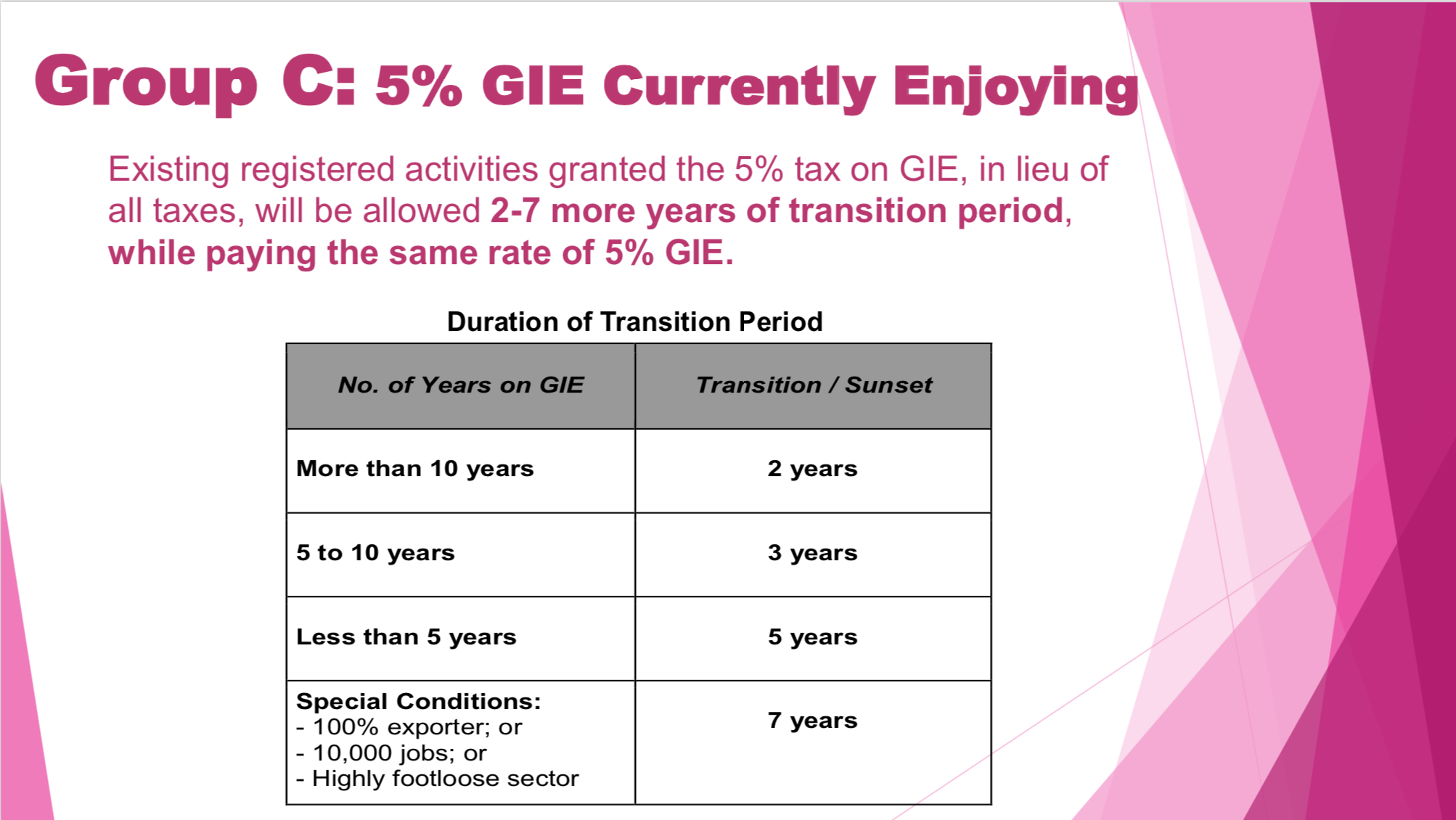
    • 2 years for those who have been receiving the GIE incentive for more than 10 years;
    • 3 years for those who have been receiving the GIE incentive for between 5 and 10 years;
    • 5 years for those who have been receiving the GIE incentive for below 5 years, and
    • A special 7 years for those that meet any of the following conditions:
    1. Exporting 100 percent of their goods and services, b. Employing at least 10,000 Filipino workers, or c. Engaging in highly footloose activities. And in addition Mr. President, after the sunset period, they will still be allowed to apply under the new incentive package where they will be assessed by virtue of the new package of this bill.


    What is the new incentives package? 

    Under our version of CITIRA, a registered activity may be granted an income tax holiday of 2 to 4 years, followed by a Special Corporate Income Tax (SCIT) rate, that is based on Gross Income Earned (GIE). The Special Corporate Income Tax Rate will be equivalent to 8% GIE for 2020, 9% for 2021, and 10% for 2022 and onwards.


    Like the current system, this shall be in lieu of all other taxes, and can be availed for 3 to 4 years, depending on the location and activity. This provision preserves the one-stop shop nature of present incentives. We hear the concerns of investors that they do not want to deal with many government agencies when paying taxes. This is why we retained the “in lieu of” provision and one-stop-shop. Based on my discussion with the firms, this particular provision already addresses 90 percent of their concerns.


    The initial availment of tax incentives, which includes Income Tax Holiday plus the Special Corporate Income Tax Rate is from 5 to 8 years, depending on the category of the registered activity as indicated on the screen. There are three categories: basic, enhanced, and advance. This is our response to the need to make incentives more targeted to locations that need them and industries that we want to promote.
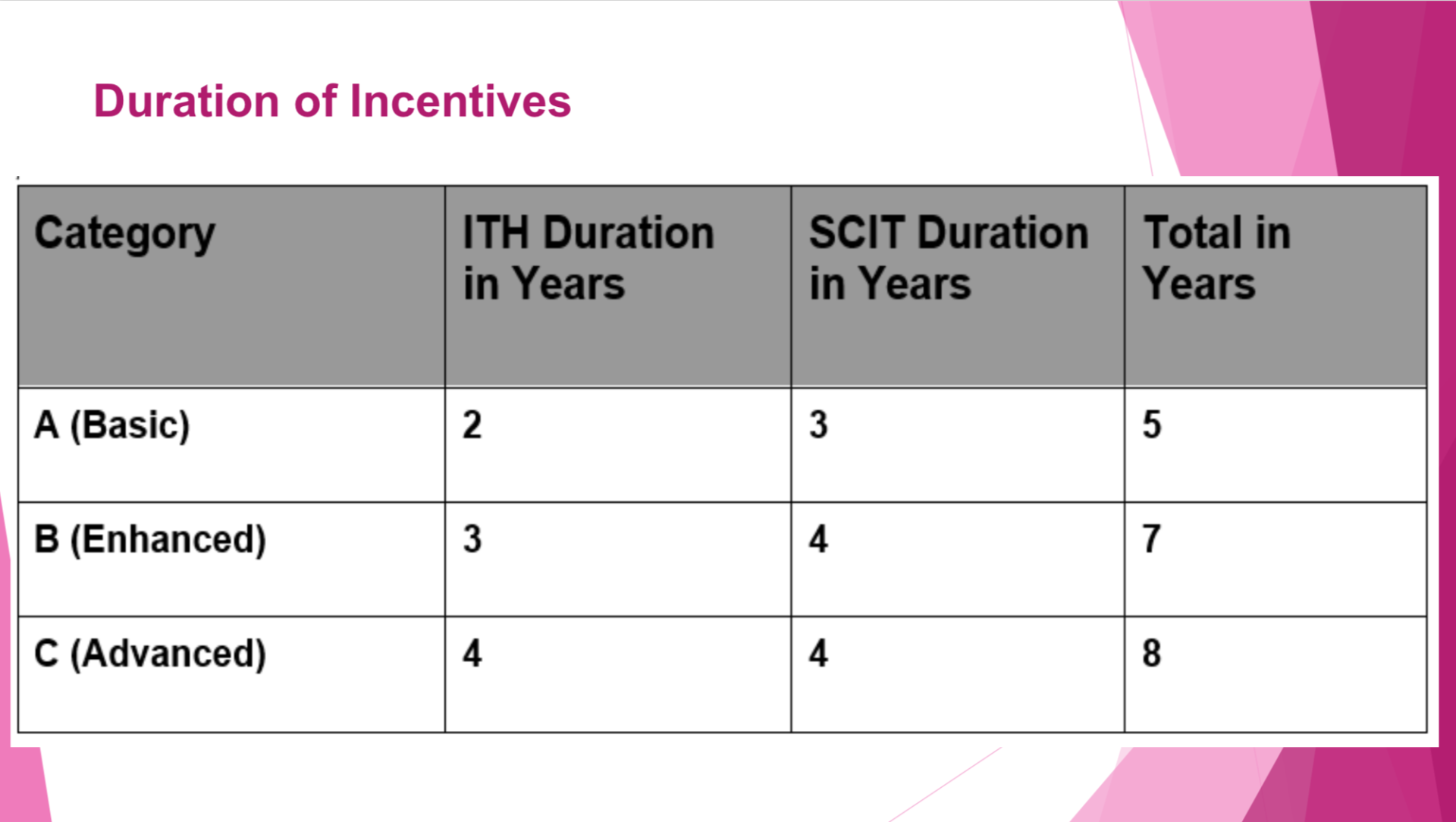
    Duration of income tax holiday (ITH) and Special Corporate Income Tax (SCIT), per category 


    There is more good news in our version. The availment of Special Corporate Income Tax may be extended by 3 to 4 years at a time or more than once, up to a maximum of 12 years, depending on the category, so long as the firm remains true to its performance commitments.

    In lieu of the Special Corporate Income Tax, the registered activity may instead be granted the enhanced deductions shown on the screen subject to the regular prevailing corporate income tax rate. These enhanced deductions incentivize good behavior, such as local job creation, exports, and investment in hi-tech. As proposed by the DTI, our enhanced deductions menu was expanded to include deductions for power costs to account for the country’s challenges in this area. The expanded deductions list is shown on the screen.
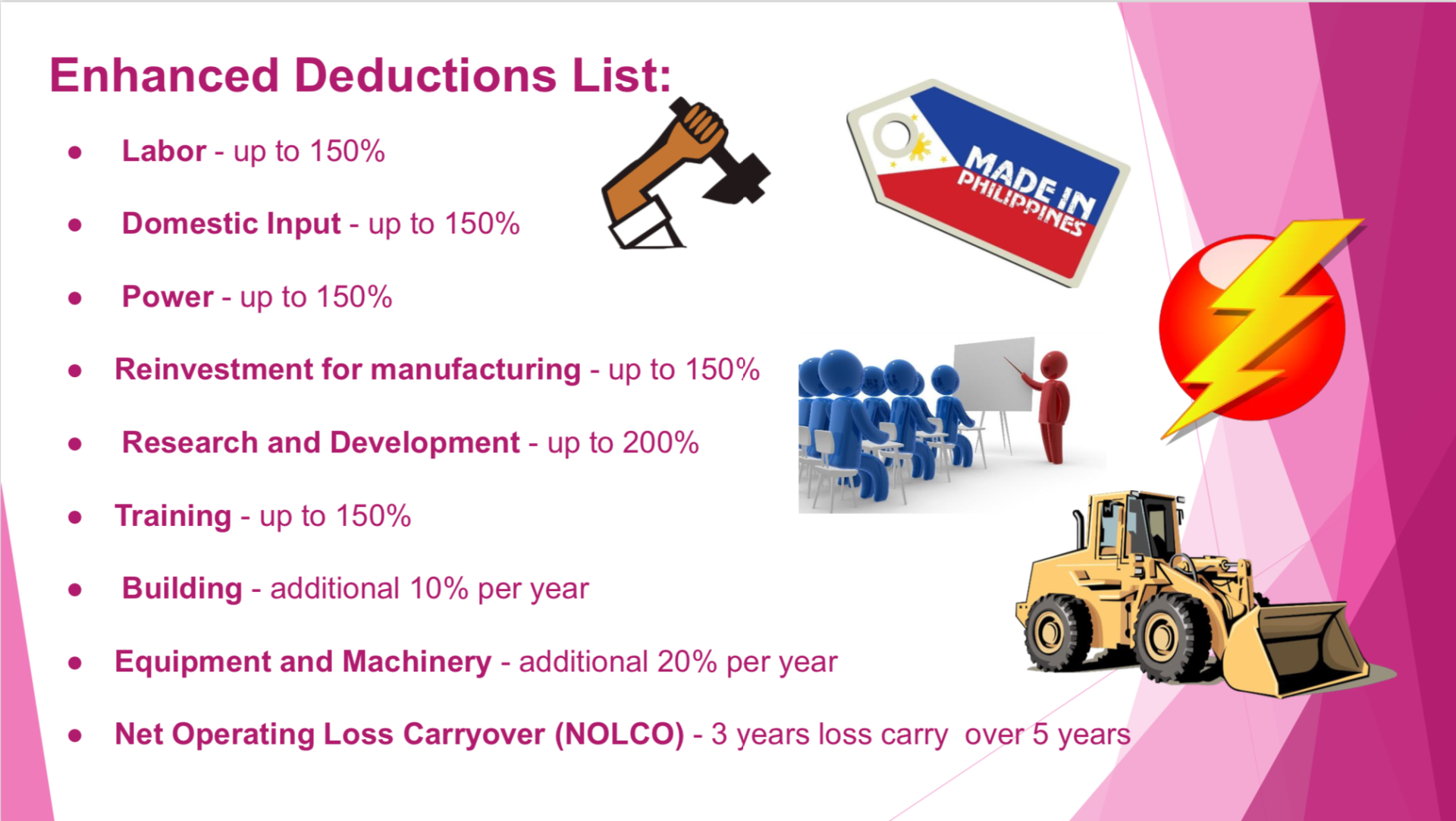
    Like the ITH and Special Corporate Income Tax (SCIT), the availment of enhanced deduction may be extended also for up to 12 years.


    To attract the biggest investors, like what Vietnam did with Samsung, the President may give incentives for a longer period of up to 40 years for highly desirable projects, provided that the benefit that the public could derive from such investment is clear and convincing and far outweighs the cost of incentives that will be granted.


    Governance of fiscal incentives 

    To ensure that incentives granted are performance-based, time-bound, targeted, and transparent, the present Fiscal Incentives Review Board’s function is expanded so that it can provide proper oversight over the IPAs, in the same way that the GCG law of 2011 created the Governance Commission on GOCCs to oversee the GOCCs and ensure better performance and accountability.
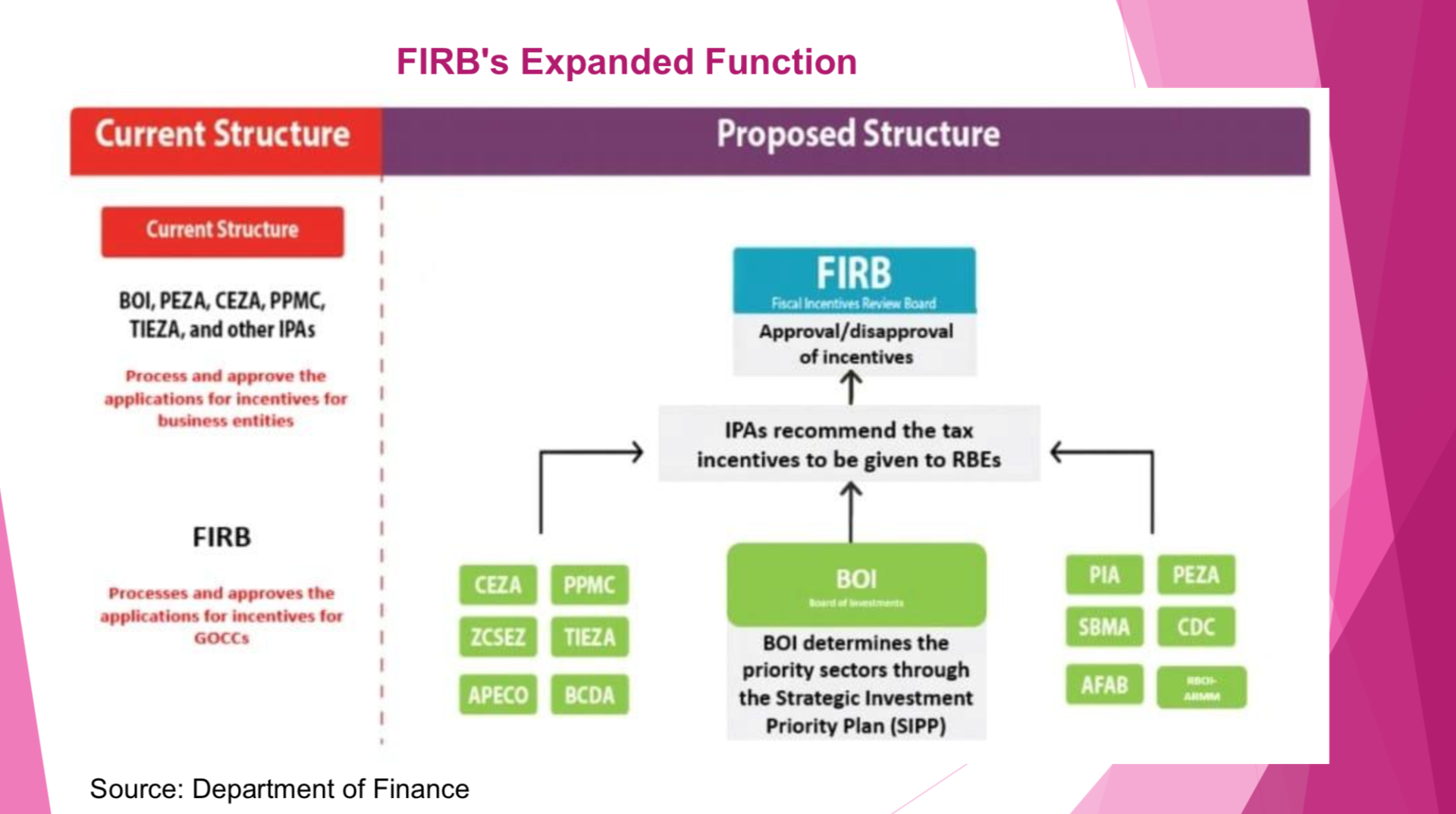
    Under our proposal, the Board will be chaired by the DOF and co-chaired by the DTI, with representatives from the Office of the President, DBM, and NEDA.


    Let me assure all the officials and employees of the IPAs that we are not abolishing your agencies or cutting down your jobs. IPAs will continue to perform their function of promoting investments in the Philippines, receive and process applications, and recommend to the Fiscal Incentives Review Board worthy incentives for approval by the Board. None of you shall lose your jobs because of this reform. Sec. 9 of Senate Bill No. 1357 provides: The IPAs shall maintain their functions and powers as provided under the special laws governing them except on the approval of incentives.


    Mr. President, esteemed colleagues, allow me to underscore one final point, and this is the urgency of our task ahead. Let us end the uncertainty.


    As an economics graduate, Mr. President, I was trained to think of resources, including our fiscal space, as limited. With limited fiscal resources, from the hard work of our countrymen, we must ask ourselves the following questions as we deliberate on this measure:


    1. Should we cut taxes for the many, or should we keep conditions loose for the few?
    2. Should we move incentives towards Philippine labor and Philippine products, or should we continue privileges that have gained our economy little value-added?
    3. When we spend our country’s fiscal resources, do we prefer more accountability, or less?


    On these basic questions of principle, I trust that this Senate of the People has seen the merits of this reform.


    Further, as part of our commitment to the United Nations 2030 Agenda for Sustainable Development, all efforts must be exerted to achieve the Sustainable Development Goals (SDGs) by 2030. This is the ideal future, a future where there is no poverty, and where our people and economy thrive.
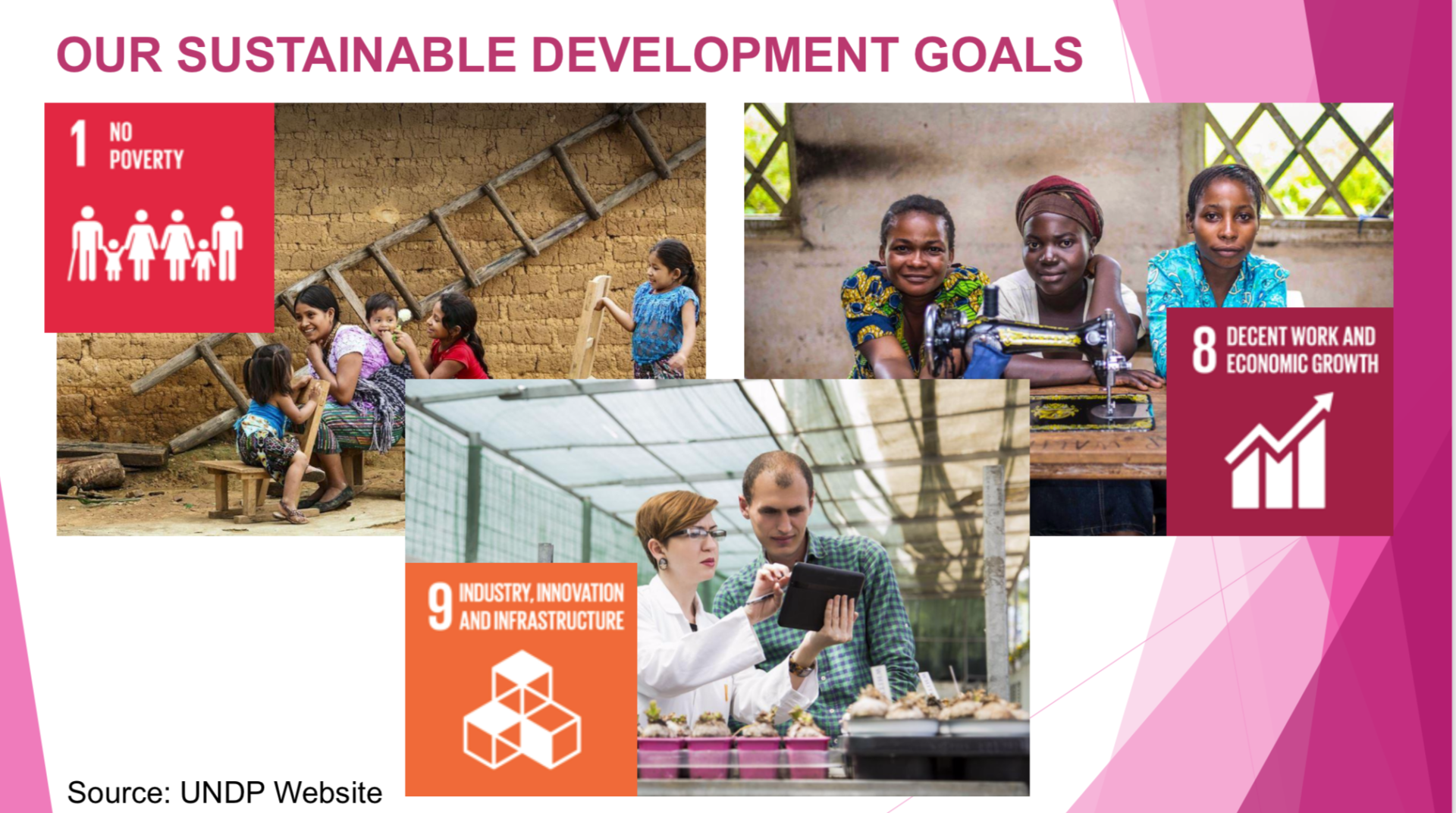
    Rationalizing incentives and lowering the corporate income tax will bring in more investments and provide more jobs for Filipinos. This ensures we remain on target with SDG 8, which promotes decent work and economic growth; SDG 9, promoting inclusive and sustainable industrialization and fostering innovation; and of course, SDG 1, which calls for ending poverty in all its forms. This is only the beginning, as working on just one SDG creates a ripple effect on all the other SDGs, especially on hunger, health, education, and equality. A flourishing economy driven by the Filipino people will safeguard the country’s future, even beyond 2030.


    Dear colleagues, you have appointed me to be chair of the ways and means committee and trusted this representation to study the matter and make recommendations. I humbly ask that you review these proposals, keeping in mind that the greater majority will benefit from the lowering of the corporate income tax and that a rationalized incentives scheme that rewards investments that are result-based will lead to greater prosperity for our nation.


    Thank you, Mr. President. 

  • Pia bats for ‘fair, efficient, accountable’ CITIRA

    “A fair deal for all. The best deal for Filipinos.”

    This was how Senate Ways and Means Chair Pia S. Cayetano described Senate Bill No. 1357, or the proposed Corporate Income Tax and Incentives Rationalization Act (CITIRA) which she sponsored in plenary on Wednesday.

    CITIRA seeks to reduce the corporate income tax (CIT) rate in the country, which is currently among the highest in the ASEAN region, and reform the fiscal incentives system to make it more fair, efficient, and accountable.

    Under the bill, the country’s CIT rate will be gradually lowered by one percent every year, from 30 percent to 20 percent by 2030.

    The measure will also rationalize fiscal incentives given to firms to make these “performance-based, time-bound, targeted, and transparent.”

    The bill intends to prioritize incentives to business activities that generate domestic employment; promote research, development and innovation; promote agribusiness; and invest in areas that are less developed or are recovering from disasters and conflicts, among others.

    CITIRA shall likewise offer additional tax deductions to reward corporations’ good behavior, such as local job creation, exports, and investment in high technology.

    Meanwhile, the committee is also proposing to implement sunset provisions for firms currently enjoying fiscal incentives to help them transition to the new tax regime under CITIRA.

    “After listening to the concerns and apprehensions of existing investor groups that will be affected by this bill, we came up with terms that address their request for a smoother transition period. This addresses our objective, which is to keep companies and investors here in the country while rationalizing the incentives that we give them,” the senator stressed in her speech.

    Furthermore, the measure seeks to expand the functions of the Fiscal Incentives Review Board (FIRB), which presently grants incentives to government-owned or controlled corporations. If passed, CITIRA shall mandate the FIRB to approve all incentives, including those given to private companies, as recommended by the different Investment Promotion Agencies (IPAs).

    “Currently, there are 13 different IPAs… that offer different menus of incentives to various industries, sometimes not in line with national priorities… There is no one simple set of incentives that the country may promote to potential investors,” Cayetano stressed.

    Lastly, the measure allows the Philippine President to grant incentives for a longer period of up to 40 years for highly desirable projects, as long as they will primarily benefit the Filipino public.

    “This is the urgency of our task ahead. Let us end the uncertainty (in the business community) by passing CITIRA” Cayetano said. #

    Download Sen. Pia Cayetano’s presentation here: CITIRA sponsorship speech ppt

  • On the recent outlook upgrade for PH by Moody’s and Fitch Ratings

    Statement of Senator Pia S. Cayetano
    Chair, Committee on Ways and Means
    February 18, 2020
    The two top international credit rating agencies, first, Fitch Ratings, and now Moody’s have both given the Philippines an outlook upgrade. This signifies an upgrade from stable to positive.
    This is good news because it sends a signal to the global business world that the Philippines is now a prime candidate for a credit ratings upgrade, which would mean lower borrowing costs from international creditors, both for the government and private sector investors.
    The work I am currently doing on tax reforms in the Senate complements this.
    Soon to be sponsored is Corporate Income Tax and Incentives Rationalization Act (CITIRA), which is made up of 2 parts: 1) gradually lowering corporate income tax from 30% to 20%; and 2) rationalizing fiscal incentives.
    The  CITIRA committee report I will be sponsoring is a product of numerous hearings and consultations with government representatives and the business sector.  Knowing that we have reached out to all of them and have worked out very favorable terms for existing investors, the groups I have met expressed satisfaction and are now looking forward to the swift passage of the measure once it’s sponsored on the floor.
  • Pia welcomes multi-sectoral support for PIFITA

    Senate Ways and Means Committee Chair Pia S. Cayetano welcomed wide support coming from different stakeholders for the immediate passage of the proposed Passive Income and Financial Intermediary Taxation Act (PIFITA).

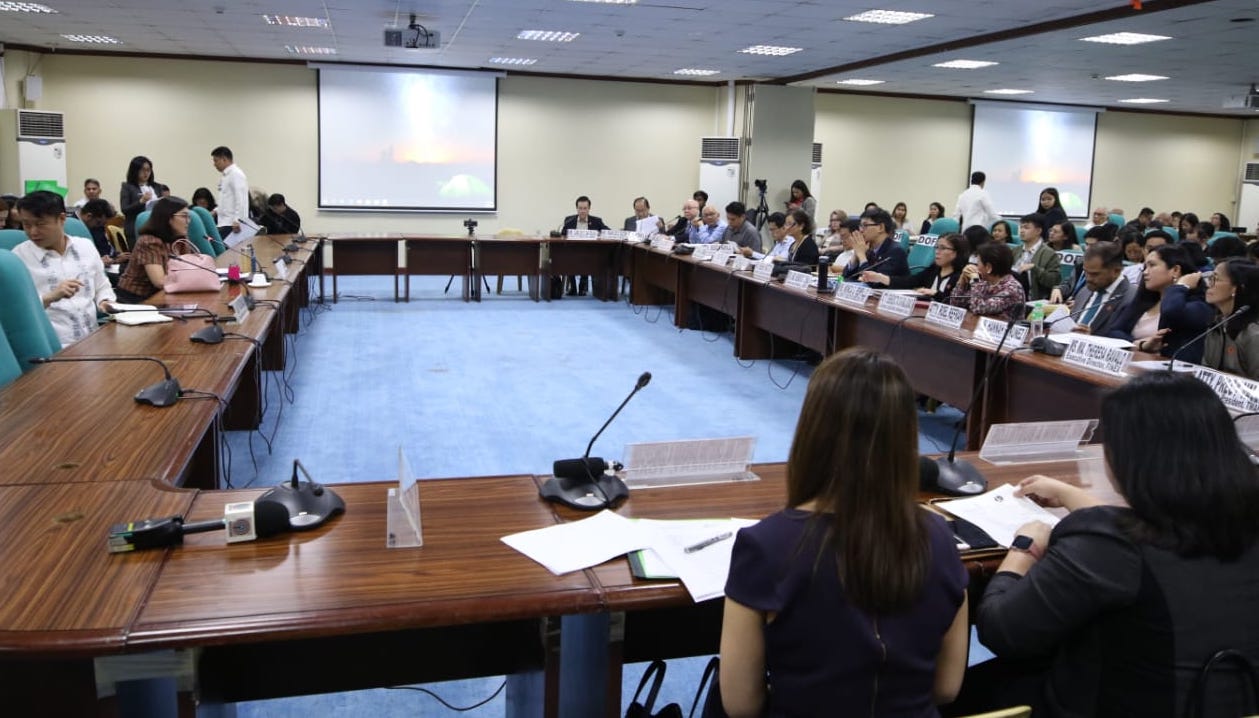
    The panel on Wednesday (February 12) held its second hearing on ‘Package 4’ of the government’s Comprehensive Tax Reform Program (CTRP), which seeks to make passive income and financial intermediary taxes in the country “simpler, fairer, more efficient, and more regionally competitive.”

    During the hearing, various stakeholders from government, business organizations, industry groups, and private companies expressed their support for the measure, with only a few concerns raised regarding specific provisions.

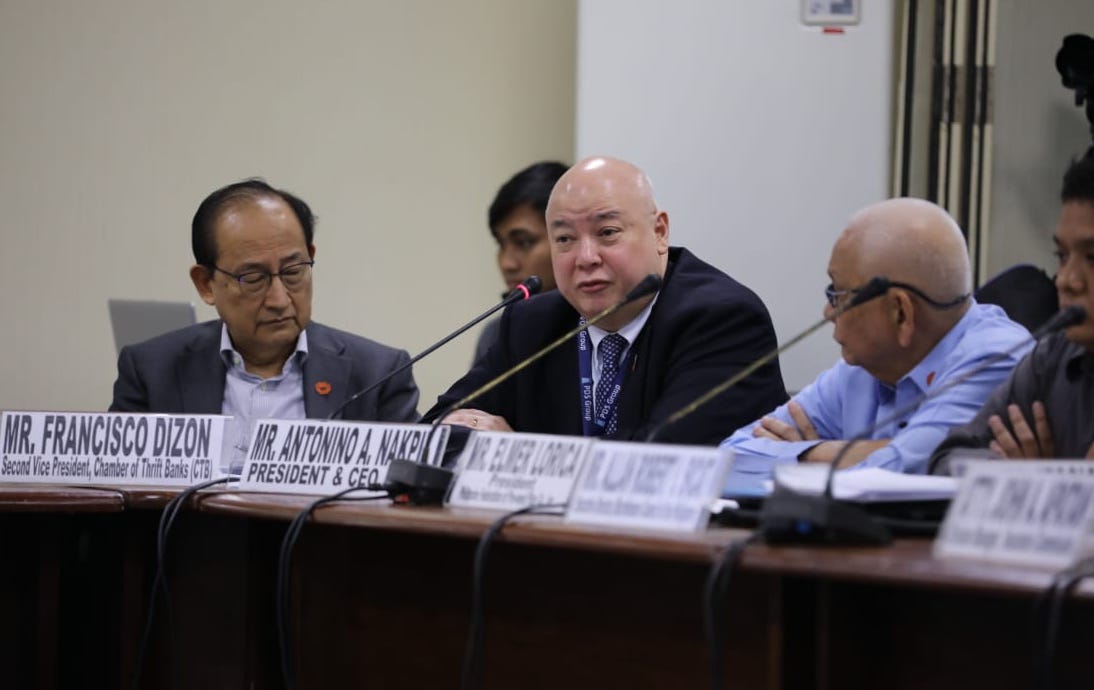
    Manifesting general support for PIFITA were representatives from the Bangko Sentral ng Pilipinas (BSP), Bureau of Internal Revenue (BIR), Bureau of the Treasury (BTr), Capital Market Development Council (CMDC), Insurance Commission (IC), Association of Global Custodians (AGC), Philippine Insurers and Reinsurers Association (PIRA), and Philippine Stock Exchange (PSE), among others.

    “I am very happy to hear that most [stakeholders] are supportive [of PIFITA], and there are just a few issues that need to be resolved,” Cayetano stressed in an interview on the sidelines of the hearing.

    On the other hand, the senator noted that the concerns raised by various sectors would also be taken into account when the committee drafts its version of the bill.

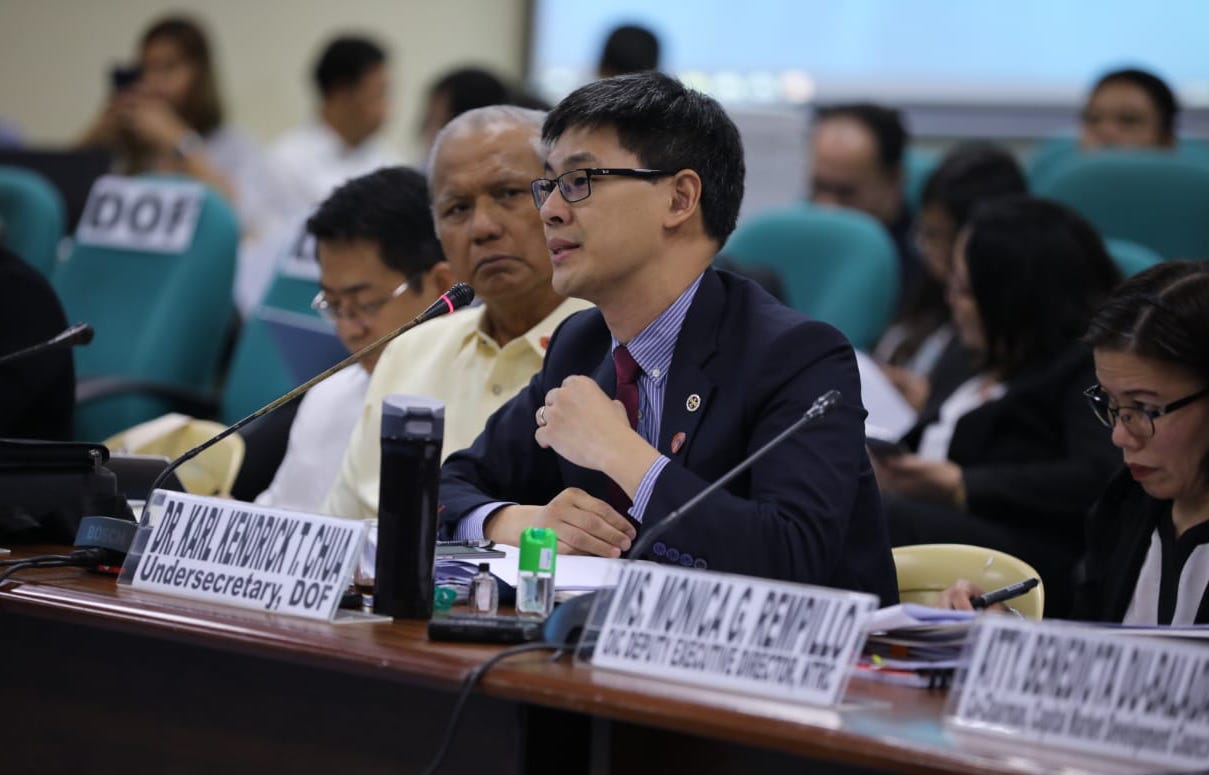
    Finance Undersecretary Karl Chua, for his part, said the administration remains open to endorse the amendment of certain provisions that are worrisome for industries.

    “When you think of passive income, there are many other areas that are affected, like trust corporations, thrift banks, microfinancing, insurance corporations, non-life and life. The objective of the administration is to simplify it… So we have to hear everybody so that we are sure about the effect on all of these sectors,” Cayetano stressed.

    “Ang objective talaga natin is to provide a market so that the Filipino citizens – hindi lang mayayaman kundi ang mahihirap – can invest their money and have access to these markets. Para hindi naman mauubos ng taxation ang kanilang mga iniipon,” she added.

    The senator said the panel is planning to conduct at least two technical working groups (TWG) to discuss and address specific concerns on certain provisions of the measure.

    “At this point, everything is open. I understand the [stakeholders’] concerns. They want a level playing field. We don’t want to create a situation where we are discouraging investments in certain sectors. So we take note of [those concerns and] we want to study them properly,” Cayetano said.

    “We just have to [make] clear with everyone that we can try our best to address their concerns,” she further noted. #

    The Senate Ways and Means Committee conducts its second public hearing on the proposed Passive Income and Financial Intermediary Taxation Act (PIFITA).
    Finance Undersecretary Karl Chua says the administration is open to studying and endorsing amendments to PIFITA from various stakeholders.
    Representatives from government and the financial market sector were invited to state their position on the bill seeking to simplify the tax system covering passive income and financial intermediary investments and transactions.

  • Private sector participation key to achieving SDGs

    “Creating a sustainable future for all is an integrated responsibility. We all need to do things together to achieve our goals.”
    Thus said Senator Pia S. Cayetano as she called for stronger public-private partnerships in fulfilling the country’s commitment to the United Nation’s Sustainable Development Goals (SDGs).
    “The whole point of the SDGs is to look at it from an integrated point of view. Public-private partnership is so important. It’s important that as we lead, we also follow. As we inspire people, we also aspire to be better,” the senator said in a speech before top executives of the Alliance Global Group Inc. (AGI) during their SustainAGIlity Conference on Thursday (February 6).
    Cayetano stressed that private companies and corporations also carry the role of educating the public on the 17 Global Goals that the country seeks to achieve by 2030.
    “A lot of people still don’t know what SDGs are. So the big challenge we have, and I’m sure all of you are onboard, is to share with everyone what these goals are. Right now, we lack information campaigns on the SDGs, so maybe you can help us share the news,” she said.
    The chair of the Senate Committee on SDGs, Innovation, and Futures Thinking, Cayetano recently filed a resolution declaring 2020s as the “SDGs Decade of Action.”
    This initiative seeks to encourage participation of experts from both government and the private sector to work towards achieving the SDGs.
    “We need people who can take a step back and ensure that we are thinking of the future. Because otherwise, we get stuck in the now. We need to think of this on a national level [and determine] our baselines,” the senator said.
    “It’s really necessary for people to be able to think creatively.  Without sustainable plans, well-intended policies may not necessarily give us the outcomes we expect,” she added.
    Furthermore, the senator also urged companies to look at the SDGs as a set of intertwined goals, instead of treating each goal separately.
    “It is erroneous to think that we have the option to choose just one goal that we want to deal with. It’s not meant to work that way. These goals are all integrated and indivisible,” she emphasized.
    “These goals balance the dimensions of sustainable development of the economy, society, and environment. So for any activity, it’s not just about identifying one goal. It’s about tying them all together,” she added.
    In particular, Cayetano said private companies can be drivers of SDGs by helping make the country’s cities and communities more sustainable, and by promoting the practice of sustainable consumption and production.
    “A lot of these companies are involved in building cities, communities, and places where people live. In a way, they are also planning the lives of these people, as they play a part in deciding how these people manage their families and improve their quality of life. So they need to consider that as they plan for sustainability,” Cayetano said.
    “There is also a need for innovation on how they produce their services for everyday life. They need to reinvent our manner of consumption by making sustainable alternatives more available to consumers,” the senator concluded. #
    Senator Pia Cayetano was one of the speakers at the SustaiAGIlity forum organized by the Alliance Global Group Inc.(AGI), one of the country’s largest conglomerates.
    Senator Pia Cayetano shares the success story of Barangay Fort Bonifacio, Taguig, in setting up a Materials Recovery facility (MRF).
    Cayetano: “Without sustainable plans, well-intended policies may not necessarily give us the outcomes we expect.”
    Facebook live: Senator Pia Cayetano with Alliance Global Group Inc. CEO Kevin Andrew Tan.
  • We can beat viral diseases with right info, policies

    In June 2012, almost eight years ago, I sponsored the National Liver Cancer and Viral Hepatitis Awareness and Prevention Act, with the primary objective of spreading awareness on liver cancer and viral hepatitis. In that bill, we declared January as the Awareness Month. And today, that is Republic Act No. 10526. This [speech] is a few days delayed because it is actually February 5, but it is my solemn and personal duty to help create and steer awareness on this very deadly virus.


    Hepatitis B is a potentially deadly virus and the leading cause of liver cancer, liver disease. Per the WHO, about 8.5 million Filipinos are living with Chronic Hepatitis B virus, so for a visual, my dear colleagues, consider that similar to the number of OFWs we have. I am equating them with OFWs. I am simply saying that in terms of number of people who are living with chronic Hepatitis B, ganoon karami ‘yun. WHO’s 2019 shows that 1 in 10, so a tenth, of Filipinos have Chronic Hepatitis B. Hepatitis is a silent killer. It has no symptoms but quietly damages the liver. In fact, what is sad here is that it’s known to hit you at the prime of your life, the productive stages of your life, usually someone in their 40’s. when they are fathers and mothers of their families, when their children are fully dependent on them.


    WHO data show that hepatitis caused 60 percent of liver cancer ailments in the Philippines in 2019. Many of you will recall that my father was a senator. He was at the prime of his life. He was 68 years old, I think 67, when the Hepatitis B virus that he had at that time mutated and there is no medication for that mutated virus. There is one in the US, but by the time it literally arrived here via FedEx, his liver was very damaged, and it was no longer of use to him. Thus, he was told he needs a liver transplant. And we did that in the United States. My brother Lino, who is now Mayor of Taguig City was my dad’s surprise donor. My dad did not know that Lino was his donor.


    So, we had that liver transplant in 2003, and those who are not familiar with liver cancer, with liver transplants, Lino lived with a third of his liver, because he gave two-thirds of his liver to my dad. And that is possible. Interestingly enough, four months after his liver transplant, Lino and I ran a duathlon. We were told he was the first liver donor who was able to do such a physical feat. Sadly, although the procedure was very successful, and if you look at the color of my dad there [gestures to screen visuals] versus the picture before that, he was healthy and he was recovering. But apparently, some of the cancer cells might have been microscopic size, and they were probably in other parts of his body, so he was eventually diagnosed with stomach cancer and that’s the cause of his death.


    Fast forward, I became a senator in 2004 and at that time, my dad had just passed away, and it was one of my passions, one of my personal convictions, that I would also help spread information about this virus. I found out that the budget allotted for Hepatitis B vaccination was about to run out because at that time it was sponsored by UNICEF. And without a budget coming from Congress, the children, the millions of children that were now vaccinated by the funding of UNICEF would run out. So, by our initiatives, along with a lot of medical practitioners and advocates, we were able to eventually include this as part of the regular budget of the DOH. And then, eventually, we were able to pass a law where we provided more details on the importance of the Hepatitis B vaccination that must be administered within 24 hours of birth, because the most common mode of transmission is from mother to child. So, if a child, a baby is vaccinated within 24 hours, they get that immunity. My dear colleagues, there is so much more that we can do to save lives against these diseases. Per UNICEF’s 2018 report, the proportion of Filipino children aged 12 to 23 months who received basic vaccinations including Hepatitis B dropped from 77 percent in 2013 to 70 percent.


    My dear colleagues, you will recall that for the past decade, we are already around 90 percent. And in previous deliberations in the Senate floor, including the one I had with the Senate Minority Floor Leader, we established the fact that our vaccination rates have gone down, and it includes Hepatitis B and many others. The percentage of children with no vaccination also rose from 4 percent in 2013 to 9 percent in 2017. And that is why you will also see the rise in the case of polio.


    There was a case reported in the papers two weeks ago about a child who was immunized with the polio vaccine, and yet got polio. What I want to emphasize, because I didn’t find the explanation of DOH to be as clearly as it could have been, the herd immunity that was created when there is a high level of vaccination does not work if there is a low level of vaccination. So, itong bata, kahit pinabakuna siya ng nanay niya, ‘yung mga classmate niya, mga kapitbahay niya, hindi nabakunahan. Siya ngayon, with poor health, kapag hindi maganda ang kalusugan natin, tayo ang pinaka-vulnerable. Kahit napabakunahan, wala nang herd immunity. Kaya naman, vaccination for all is very, very important.


    I will now stress that this is part of our commitments under our objectives to have sustainable development in our country, including the achievement of the Sustainable Development Goals. Goal Number 3 is to ensure healthy lives and promote wellness for all ages. This includes ending the epidemics on AIDS, tuberculosis, malaria, and neglected tropical diseases, and combating hepatitis, waterborne diseases, and other communicable diseases. It also includes reducing by one-third premature mortality from non-communicable diseases through prevention and treatment, and through the promotion of mental health and well-being.


    So, my dear colleagues, there is so much for us to do, but with increased awareness, and the right information, because just the other day also, I read that the WHO has issued a statement that we are also in the epidemic situation on the spread of wrong information. So, the spread of wrong information is just as deadly as the spread of the virus itself. That’s why I emphasize increased awareness with the right information, and implementation of our policies and our laws with the help of everyone. Mr. President, I believe we can beat viral Hepatitis and other communicable diseases including the novel coronavirus.

    Cayetano: World Health Organization data in 2019 data show that 1 in 10 of Filipinos have Chronic Hepatitis B. Hepatitis is a silent killer.
    Cayetano: The spread of wrong information is just as deadly as the spread of the virus itself.
  • Pia: CITIRA committee report to be fair to all sectors

    Senate Ways and Means Committee Chairperson Pia S. Cayetano assured that the committee report for the proposed Corporate Income Tax and Incentives Rationalization Act (CITIRA) will be fair to all sectors, including foreign investors and local business owners.

    The Senator made this announcement during an interview with media members after the panel’s hearing on Wednesday (February 5).

    “Basically, the flow will be the same, except that there are clearer parameters. There are clearer numbers, so that the industries can make their computations. They can know what their futures would be like, which is what I have gathered in the many talks I have with them,” she stressed, referring to the CITIRA committee report.

    “There will be sunset provisions on a particular date, and the new dates are very clearly identified, so they know what they deal with. That is what I want. A vibrant economy that is predictable for our investors,” she added.

    Cayetano said she plans to deliver her sponsorship speech on the CITIRA bill next week.

    Meanwhile, the panel conducted its first public hearing on proposals to make passive income and financial intermediary taxes simpler, fairer, more efficient, and more competitive regionally under Package 4 of the Comprehensive Tax Reform Program (CTRP), also known as Passive Income and Financial Intermediary Taxation Act (PIFITA).

    The hearing invited DOF Undersecretary Dr. Karl Kendrick T. Chua, who explained the ten reasons why the reform for the passive income and financial intermediary tax system is necessary. For each reason, he elaborated on the corresponding problems and the DOF’s proposed solutions.

    In particular, individual citizens stand to benefit from the tax reform, according to Undersecretary Chua. Those individuals who put their savings (their passive income) in the bank will be taxed less, based on the proposed tax reform.

    The Ways and Means Committee is set to continue discussions on the tax measures in the following weeks. #

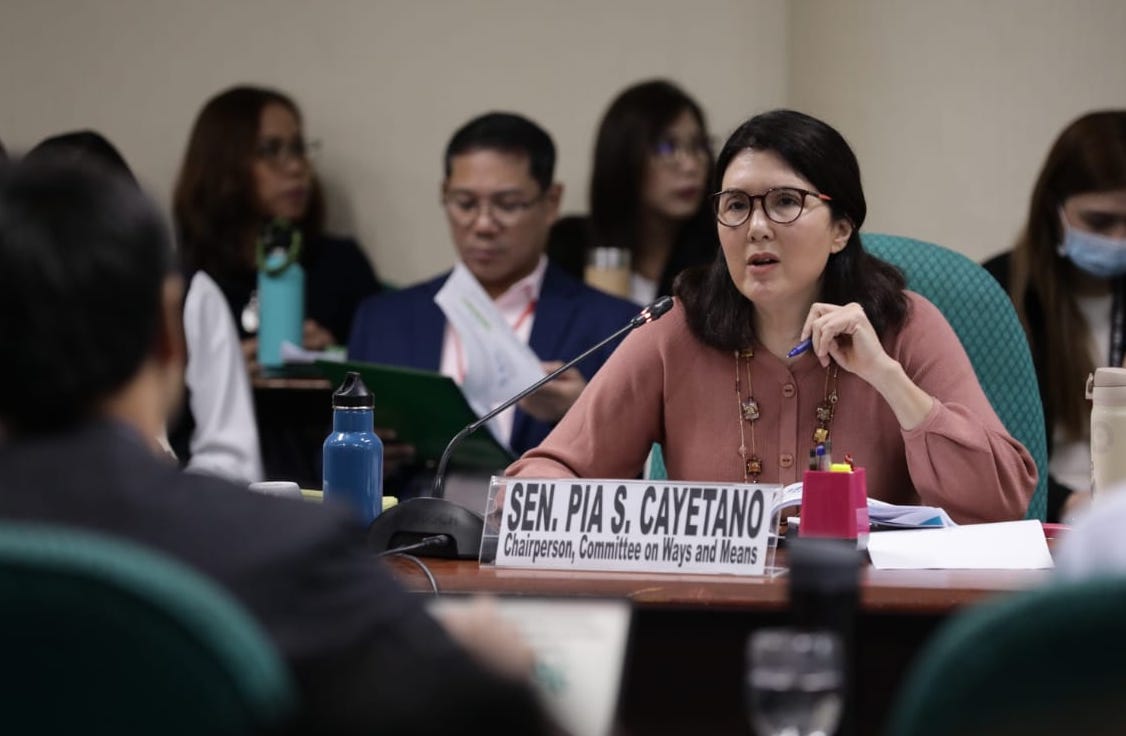
    Chairing the Senate hearing on the proposed Passive Income and Financial Intermediary Taxation Act (PIFITA).


    Senator Pia Cayetano plans to deliver her sponsorship speech on the CITIRA bill next week.


  • 50 liters of breast milk from Taguig moms delivered to Batangas evacuation centers

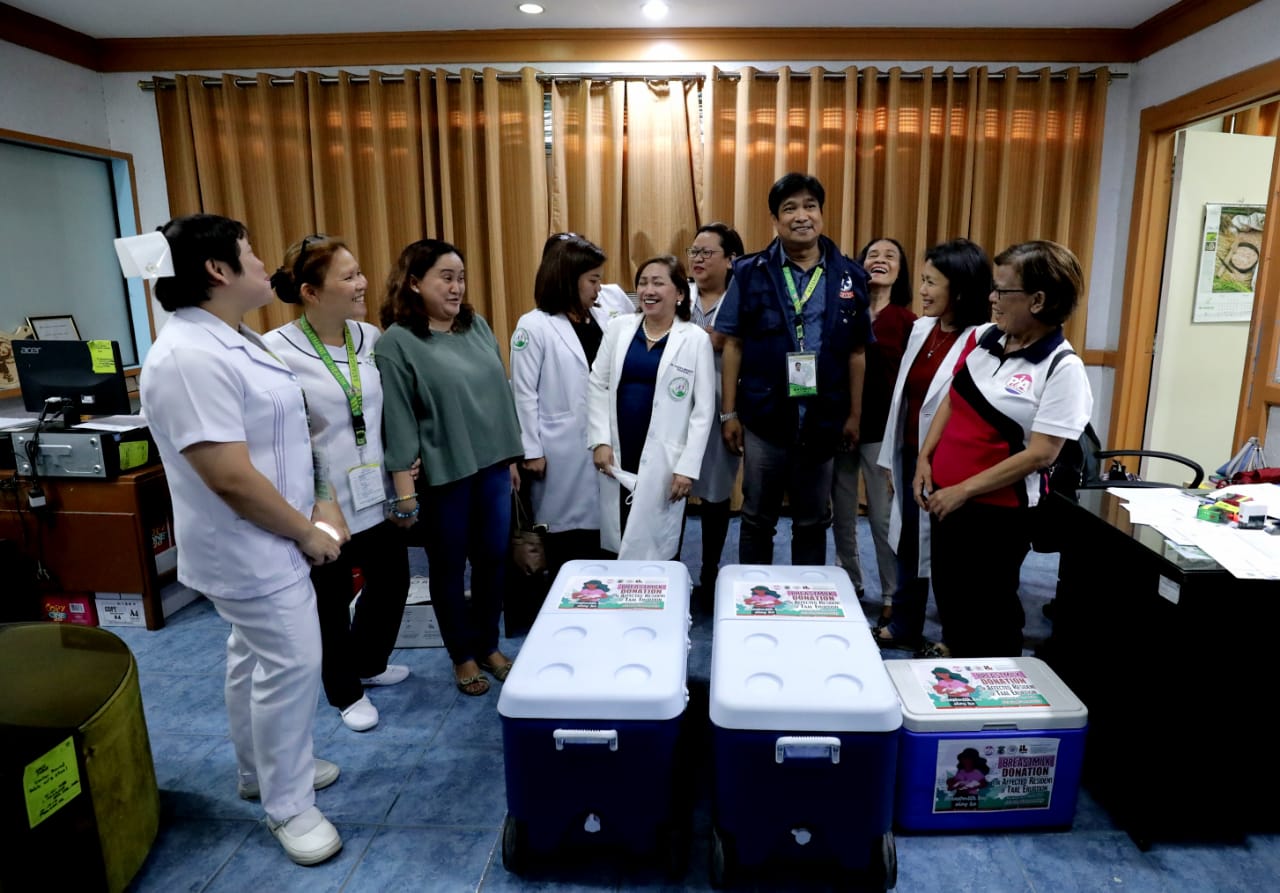
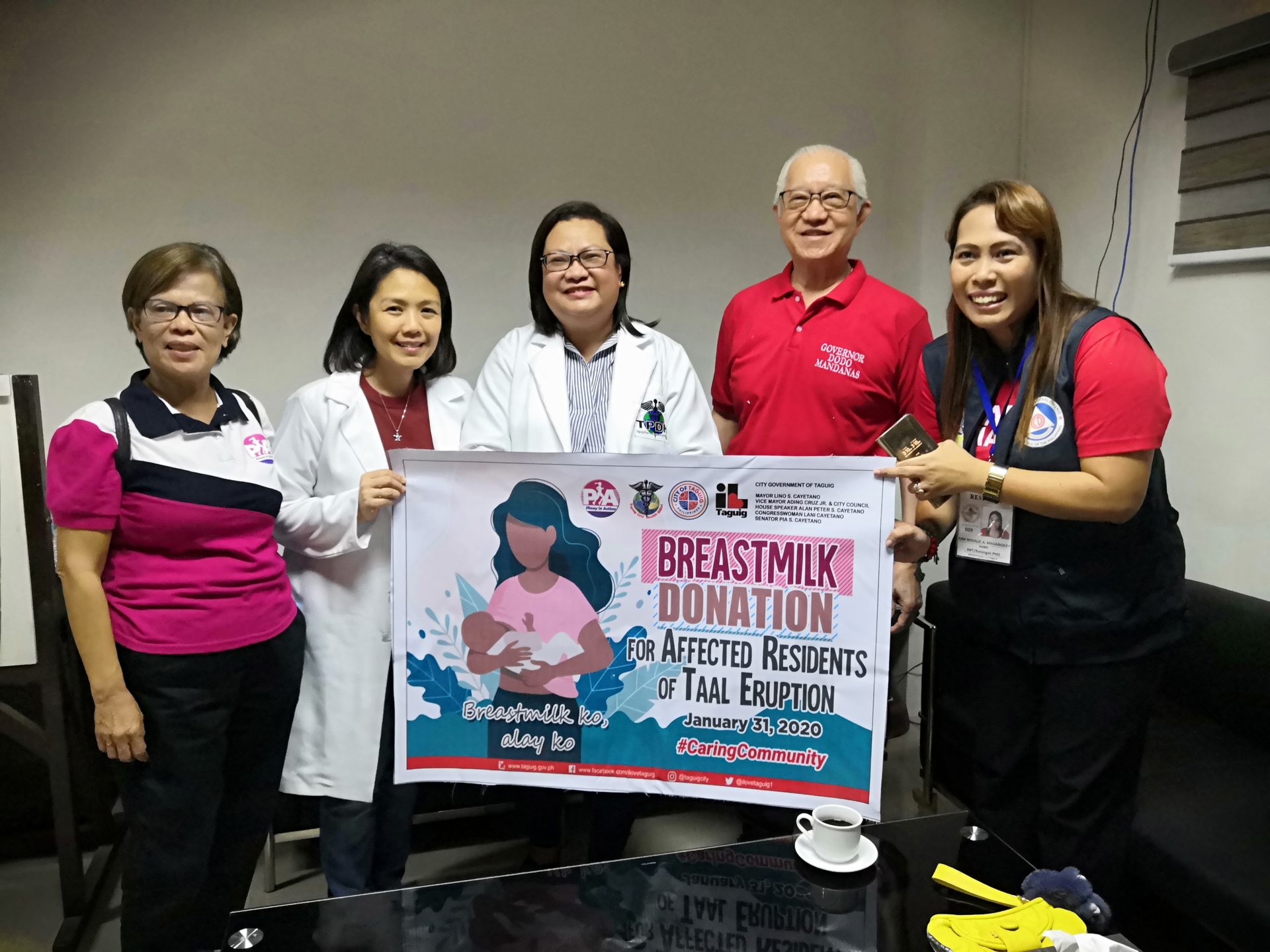
    The office of Senator Pia S. Cayetano and the Taguig city government formally turned over on Friday (Jan. 31) 50 liters of breast milk to the Batangas Medical Center (BATMC) for the benefit of babies affected by the Taal volcano eruption.

    The milk donation was received by officials of BATC, which houses a human milk bank that stores breast milk for babies in need, including those staying in different evacuation centers across the province.

    All 50.1 liters of breast milk donations were gathered and collected from nursing mothers who participated in “Breast Milk Ko, Alay Ko,” a breast milk letting event organized last January 23 by the senator’s office in partnership with Taguig city.

    The donated milk underwent tests and pasteurization at the Taguig City Human Milk Bank of the Taguig-Pateros District Hospital before being delivered to Batangas.

    “Nobody can dispute that breast milk is best for babies. But what do you do when, for some reason, a mother cannot provide this for her child? During a state of stress, a mother’s ability to produce milk could be affected,” Cayetano said as she stressed the importance of breast milk donations for Taal evacuees.

    “That’s why we organized the breast milk letting event, because during this time of calamity, we don’t want our babies to stop receiving breast milk. And we thank all the moms who made this possible through their donations. Maraming salamat po sa inyo at huwag po tayong magsawang tumulong,” the senator added.

    Cayetano meanwhile stated that the work does not end with today’s ceremony, as she urged more nursing mothers to continue helping fellow moms in need by donating their milk through the TPDH Human Milk Bank.

    A breastfeeding advocate, the senator authored the Expanded Breastfeeding Act (Republic Act 10028), which encourages health institutions to establish human milk banks.

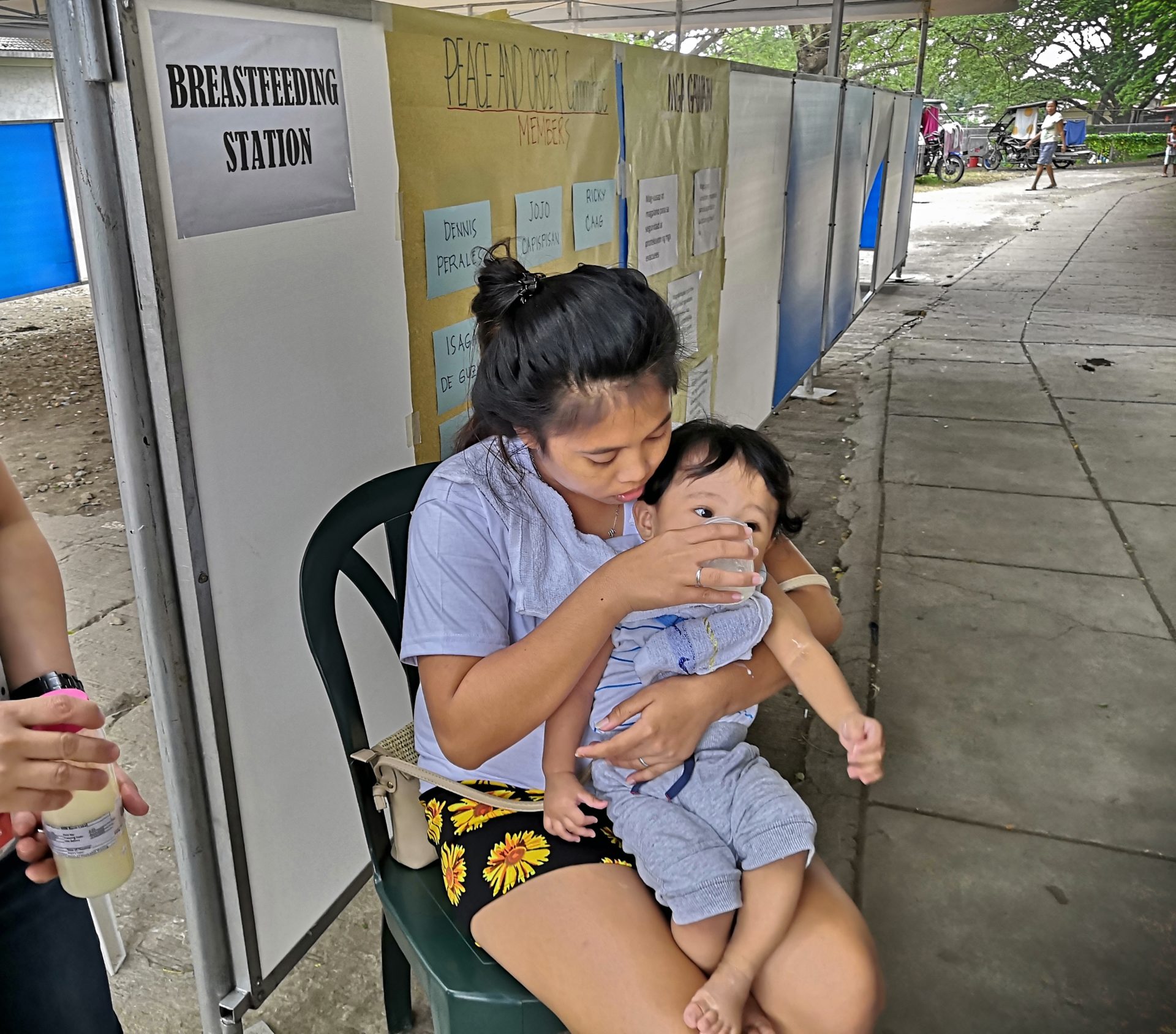
    Cayetano also authored the Children’s Emergency Relief and Protection Act  (RA 10821), which requires breastfeeding areas to be set up in evacuation centers to enable mothers to feed their babies in private.#

    50 liters of breast milk arrive at the Batangas Medical Center in Batangas City. BATMC officials led by Chief of Hospitals Dr. Ramoncito Magnaye welcomed the team from Taguig City and the Office of Senator Pia Cayetano.
    Official turnover to the Batangas Human Milk Bank of 50 liters of breast milk donated by volunteer-moms from Taguig City. The Batangas Human Milk Bank supplies breast milk for babies in need at evacuation centers across the province.
    Courtesy call to Governor Dodo Mandanas of Batangas province.


    Donated milk helps nourish children in evacuation centers like Clarck, 8 months old, whose mother Camille Austria, 20, has had difficulty expressing milk after their family was displaced by the Taal eruption.
    Interested parties could still donate for babies in need of breast milk through the Taguig Human Milk Bank at the Taguig-Pateros District Hospital.
  • Pia files resolution to declare ‘SDGs decade of action’

    Let’s make the 2020s a Decade of Action for Sustainability!

    To affirm the country’s commitment to the United Nations’ (UN) Sustainable Development Goals (SDGs), Senator Pia S. Cayetano has filed a resolution declaring the year 2020 as the start of the “SDGs Decade of Action.”

    The senator filed Senate Resolution No. 308 on Wednesday (January 29), with the goal of ushering in a decade of collective, ambitious action to deliver the country’s sustainable targets by the year 2030.

    “Five years since we adopted the 2030 Agenda for Sustainable Development, we remain fully committed to integrate the SDGs into our national development plans and policies,” said Cayetano, who chairs the newly created Senate Committee on SDGs, Innovation, and Futures Thinking.

    The panel is primarily tasked to monitor and guide government efforts towards attaining the 17 interconnected Global Goals through strategic thinking, multi-disciplinary, and multi-sectoral approach.

    “While progress has been achieved in some areas through the efforts of both the government and the private sector, the country still has a long way to go in achieving the SDGs by 2030, given the current issues arising in health, education, agriculture, environment, equality, peace and justice, among others,” Cayetano’s resolution read.

    It added that this signals the need to “accelerate sustainable, ambitious and multi-sectoral solutions” towards achieving all the 17 goals by 2030.

    “This resolution declaring the 2020s our Decade of Action, along with the collective efforts we have been making and are yet to make towards sustainability, honors the global compact we made five years ago,” Cayetano stressed.

    “Our ultimate goal is to achieve a better and more sustainable future for all, where nobody is left behind,” she added. #

    Our ultimate goal is to achieve a better and more sustainable future for all.