Official Website of Philippine Senator Pia Cayetano

Category: Youth

  • “The Most Powerful Investment We Can Make” — Sen. Pia Cayetano Welcomes AHEAD Grant for Healthcare Students

    “The Most Powerful Investment We Can Make” — Sen. Pia Cayetano Welcomes AHEAD Grant for Healthcare Students

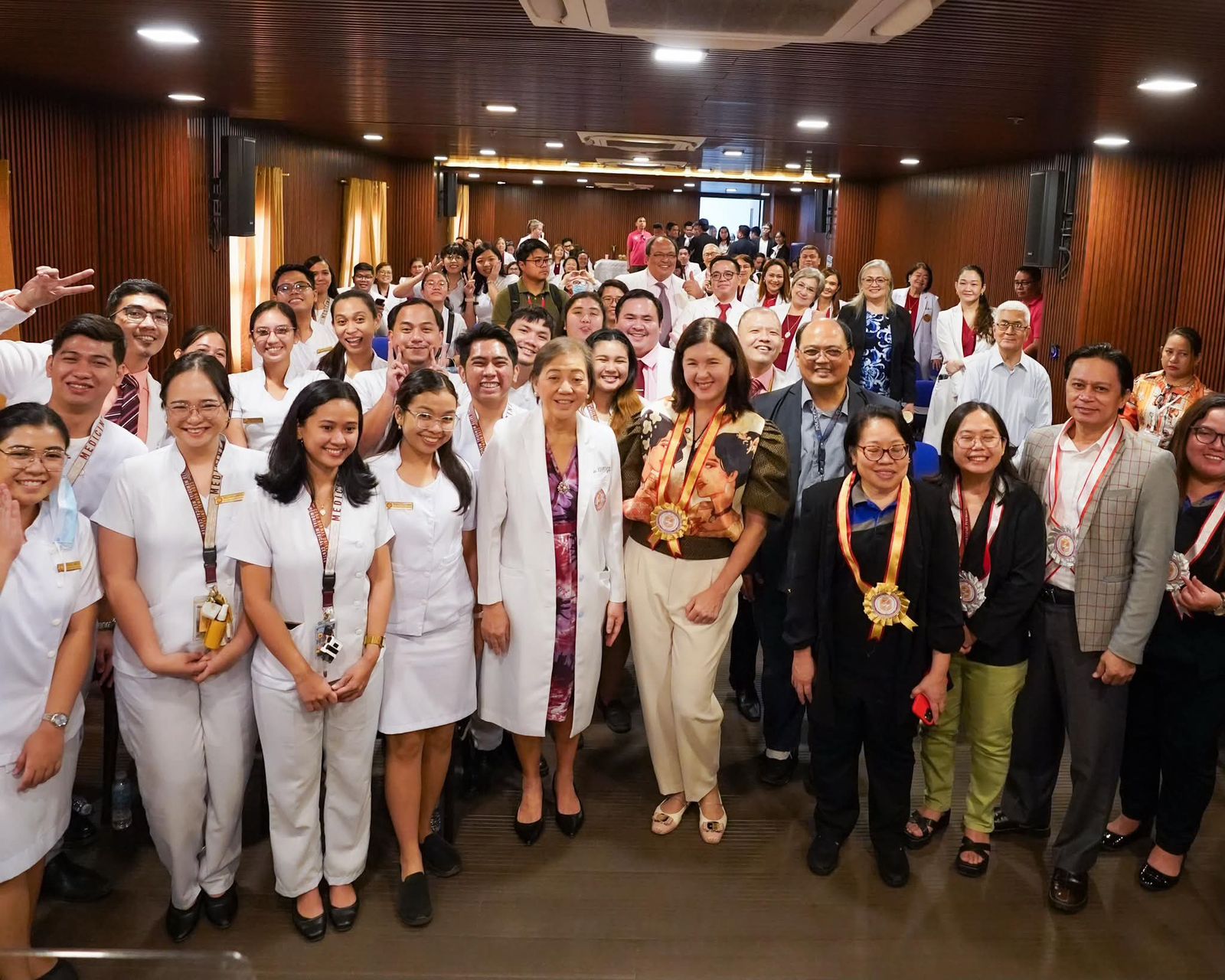
    Senator Pia S. Cayetano welcomed the launch of the Commission on Higher Education’s (CHED) Allied Health Experiential Assistance for Deserving Students (AHEAD) Grant, which will provide financial assistance to around 19,000 healthcare students completing their mandatory clinical and field-based training nationwide.

    “This is exactly the kind of investment we need to make for our future. The most powerful investment we can make for our country is in our education and healthcare sectors, and this program does both at once,” Cayetano said. “I am happy to see that our efforts to strengthen healthcare education are bearing fruit for our students and for the Filipino people.”

    As Senior Vice-Chairperson of the Senate Committee on Finance, Senator Pia Cayetano has long championed the expansion of medical and allied health education. She consistently lobbied for the rightful share of education and health in the national budget, as well as funding for the Doktor Para sa Bayan Act. These efforts helped lay the foundation for programs like the AHEAD Grant, which provides more opportunities for aspiring healthcare professionals to pursue their education and serve Filipino communities.

    Cayetano noted that the AHEAD Grant directly addresses a long-standing burden on healthcare students, many of whom come from families that struggle to afford the cost of clinical training on top of regular tuition.

    “We cannot build a strong healthcare system without first investing in the people who will run it,” she said. “Every health worker who graduates because of programs like this is one more person who will serve Filipino families in their most vulnerable moments. There is no quick fix, but every step we take toward making healthcare education accessible is a step toward a healthier Philippines for all of us.”The grant covers students enrolled in priority allied health programs including nursing, medical technology, physical therapy, occupational therapy, pharmacy, radiologic technology, respiratory therapy, nutrition and dietetics, speech-language pathology, dental medicine, optometry, and veterinary medicine, all tied to the Human Resources for Health Philippine Masterplan 2020-2040.


    ”The Most Powerful Investment We Can Make” — Sen. Pia Cayetano tungkol sa AHEAD Grant para sa mga Healthcare Students

    Mainit ang naging pagtanggap ni Senadora Pia S. Cayetano sa paglulunsad ng Allied Health Experiential Assistance for Deserving Students (AHEAD) Grant ng Commission on Higher Education (CHED), na magbibigay ng pinansyal na tulong sa humigit-kumulang 19,000 healthcare students na kumukumpleto ng kanilang mandatory clinical at field-based training.

    “This is exactly the kind of investment we need to make for our future. The most powerful investment we can make for our country is in our education and healthcare sectors, and this program does both at once,” sabi ni Cayetano. “I am happy to see that our efforts to strengthen healthcare education are bearing fruit for our students and for the Filipino people.”

    Bilang Senior Vice-Chairperson ng Senate Committee on Finance, matagal nang isinusulong ni Cayetano ang pagpapalawak ng medical at allied health education. Patuloy niyang ipinaglaban ang nararapat na bahagi ng edukasyon at kalusugan sa pambansang badyet, gayundin ang pondo para sa Doktor Para sa Bayan Act. Ang mga pagsisikap na ito ay nakatulong sa pagtatayo ng pundasyon para sa mga programang tulad ng AHEAD Grant, na nagbibigay ng mas maraming pagkakataon sa mga nagnanais na maging healthcare professionals na ituloy ang kanilang pag-aaral at maglingkod sa ating mga komunidad.

    Para kay Cayetano, ang AHEAD Grant ay tumutugon sa matagal nang pasanin ng mga healthcare students, kung saan ang marami sa kanila ay nagmumula sa mga pamilyang nahihirapang bayaran ang gastos ng clinical training bukod pa sa regular na matrikula.
    “We cannot build a strong healthcare system without first investing in the people who will run it,” sabi pa niya. “Every health worker who graduates because of programs like this is one more person who will serve Filipino families in their most vulnerable moments. There is no quick fix, but every step we take toward making healthcare education accessible is a step toward a healthier Philippines for all of us.”

    Ang nasabing grant ay para sa mga estudyante na naka-enroll sa mga priority allied health programs, kabilang dito ang nursing, medical technology, physical therapy, occupational therapy, pharmacy, radiologic technology, respiratory therapy, nutrition and dietetics, speech-language pathology, dental medicine, optometry, at veterinary medicine, na lahat ay sumasailalim sa Human Resources for Health Philippine Masterplan 2020-2040.
  • Pia to vape bill proponents: stop spreading lies

    The Vape Bill does not protect the youth 

    By Senator Pia S. Cayetano
    Sponsor, Sin Tax Reform Law of 2020 (RA 11467)

    I urge the proponents of the Vape Bill to stop claiming that their measure is beneficial to the youth. That’s a blatant lie.

    The proponents say that their bill “[solidifies] the provisions of RA 11467 and Executive Order 106” by strengthening the flavor ban on e-cigarettes. If that was the case, then they should have just kept the provision of the Sin Tax Law – which limits vape flavors to plain tobacco and plain menthol only.

    Instead, they provided wording that allows hundreds and thousands of flavors to flood the market. How will they even regulate all these flavors? In the US, 55,000 flavors were rejected by the US FDA for failing to provide evidence that they protect public health. Kaya ba natin gawin yun dito? Eh tinanggal pa nga nila sa bill nila ang FDA bilang regulatory body sa e-cigarettes at flavors.

    The youth would have been better protected if we retained the access to these harmful products at 21 years old but instead, they made it easier for the youth to access the same. The Sin Tax Reform Law of 2020 placed this at 21 years old, but the Vape Bill lowered it to 18 years old, so now even senior high school students can buy and use vapes. So where’s the ‘protection’ for the youth that the Vape Bill proponents claim? #

    Senator Pia Cayetano
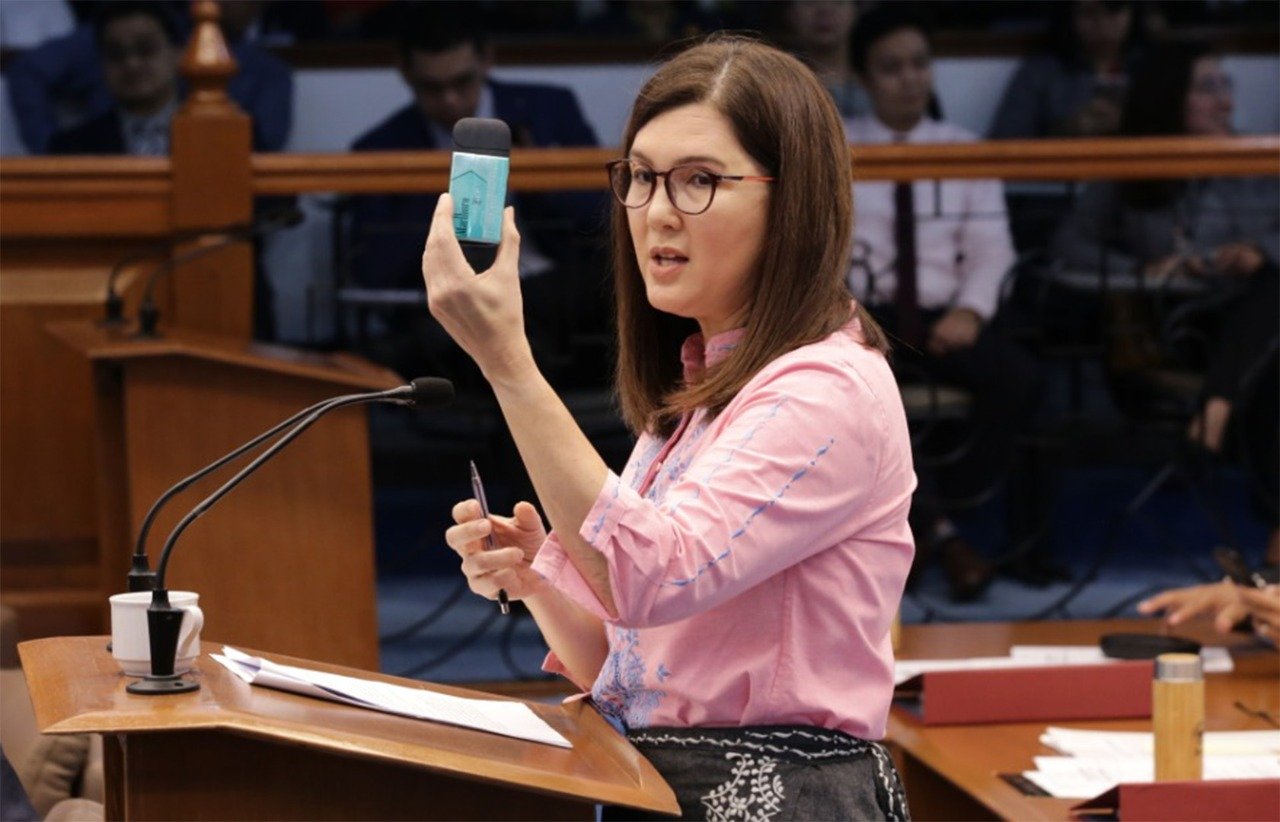
    Senator Pia Cayetano: “I urge the proponents of the Vape Bill to stop claiming that their measure is beneficial to the youth. That’s a blatant lie.”

  • Strengthening partnerships in education

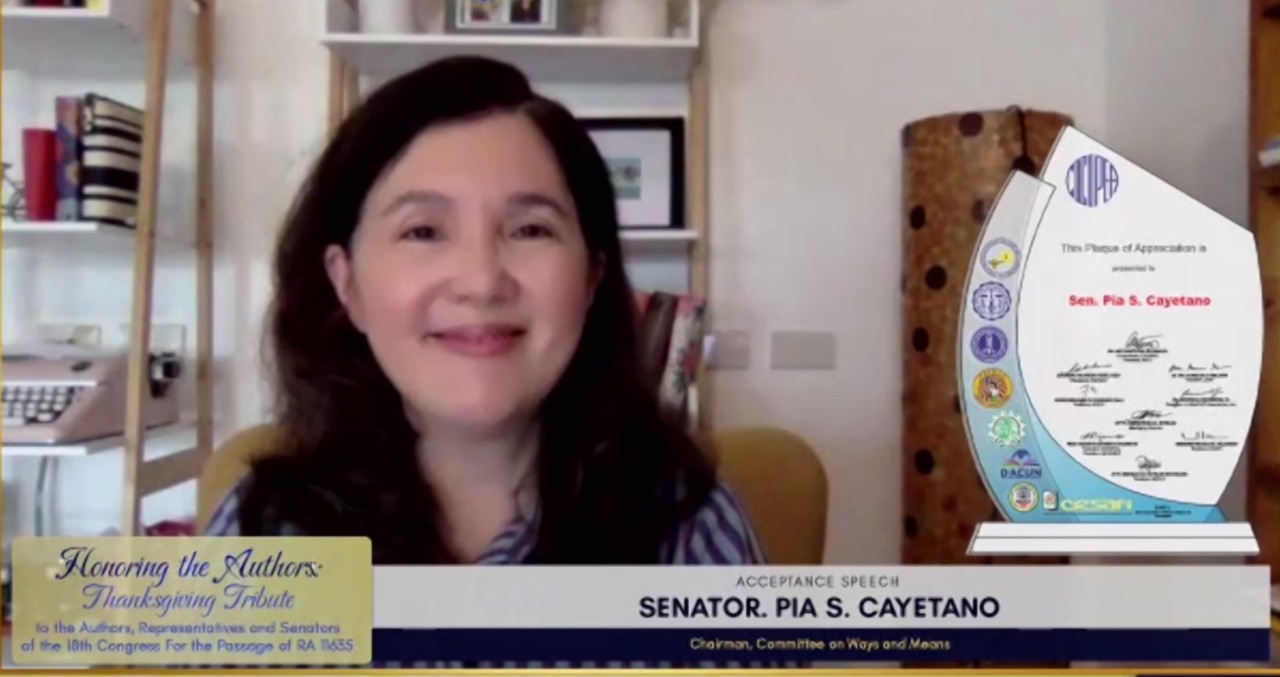
    Speech for the Coordinating Council of Private Educational Associations of the Philippines (COCOPEA)

    By Senator Pia S. Cayetano

    Chair, Senate Ways and Means Committee
    Sponsor, Republic Act No. 11635, granting preferential tax rates for proprietary educational institutions

    Good afternoon, everyone! Thank you for having me and taking time to include me in this event, where you are taking note of the work that we’ve done. Thank you for the very kind introduction.

    There’s not much really to say for me on this topic. I won’t go through it as you all know what the law is about. I think what I’d like to do now is to focus on the need for further collaboration between COCOPEA and the legislative side of government.

    In my case, there are just so many laws that I feel can be implemented better. Obviously, we would like your input on how we can improve the delivery of education on these issues as well.

    This law that we have just passed is evidence of our ability to work together and to address the concerns that you have. I have always said that the private sector, and of course, COCOPEA, is at the lead in terms of the group of members that you have. The private sector is our partner in the delivery of education to the Filipino people.

    So your wellbeing is important to us. Because your being able to deliver your mandate effectively also allows us to also deliver our mandate as provided by the Constitution.

    I’d like to point out a few issues which I feel are important, because this is just what we have done in the past months. And the outcome of that is really, like I said, just one of the many things that we can do together if we put our minds to it.

    I’ll just mention some of these concerns that I have personally taken note of:

    •Teen pregnancy

    It’s very important that we address this concern. Not just in our country, but all over the world, teen pregnancy is still a big issue. And we already know that when we have teen pregnancies, the victim here is usually the girl because she carries out that pregnancy and her whole future is put on the line. So we must be able to educate our young people and even our teachers. The delivery of education should have that confidence and the ability to address this concern.

    •Youth’s exposure to vices

    The other item that I wanted to discuss is exposure to vices. Cigarettes and the new hazards, which is vaping, I hope that you can all be on board in raising awareness on the dangers of these products. Vapes are not the safer alternative for young people. There is no safer alternative to young people. It is not correct that I see so many young people thinking that this is safer for them than cigarettes, that is not the case. So I hope you can also be on board in bringing awareness to this. And of course, there is still alcohol and drugs that we need to be conscious of.

    •Inclusive learning

    And then, of course, there is equal access to those students who have special needs. I know that in a developing country, this really entails costs that are not part of our regular budgeting process. But I hope in due time, we can continue to strengthen our institutions so that we can address the needs of these children with special needs.

    •Futures thinking for education

    And then very important to me, for those who may not know, I chair a new committee in the Senate, it’s the Committee on Sustainable Development Goals, Innovation, and Futures Thinking. And it is because of my exposure to experts in this field that my knowledge has grown, I continue to be a student in search of more knowledge. But I really embrace the belief that we need to change our system of education. We can’t do it overnight, but every day we must be making steps towards the realization of our goals for these children. And really, there is no one size fits all. The more we can customize the delivery of education for the special talents and (for) the full potential of young learners, the closer we will be to really having a productive next generation.

    So that is really the goal, that we are able to shift from the more traditional delivery of education to more understanding of what the special talents are, and the interests and talents these young children are born with, that we develop their skills in communication, collaboration, creativity, and so on and so forth.

    •Mental health

    And then the awareness on mental health issues. I know we have all become more conscious of it during this time of COVID. These had always been concerns, but there is more acceptance now on the importance of mental health, and not just physical health.

    •Sports and fitness

    And speaking of physical health, as many of you know, I am an avid sports advocate. I love sports myself, I engage in sports, I encourage sports among everyone of all ages, and I do believe that there is room to increase the role of sports in our curriculum, in our day-to-day life in schools. I know some schools may not have facilities that can provide a venue for all kinds of sports, but in one way or another, there are ways that we can make our children fall in love with physical activities, with being active. Especially in our country, which is gifted with beautiful outdoors. We should be able to do more of that.

    So those are just a few of my top-of-mind concerns that I think we can all work with, not necessarily legislation, but really just either implementing existing laws, implementing existing policies, and if there are best practices out there, by all means, share them. We would really like to highlight these best practices in any of the areas that I’ve mentioned, and even more.

    So on that note, once again, it’s been a pleasure. I always like working with associations that are very organized, that have their data. Maraming salamat for also making my work easier. So on that note, again thank you for this opportunity to serve our country better. Thank you. #

    Education leaders
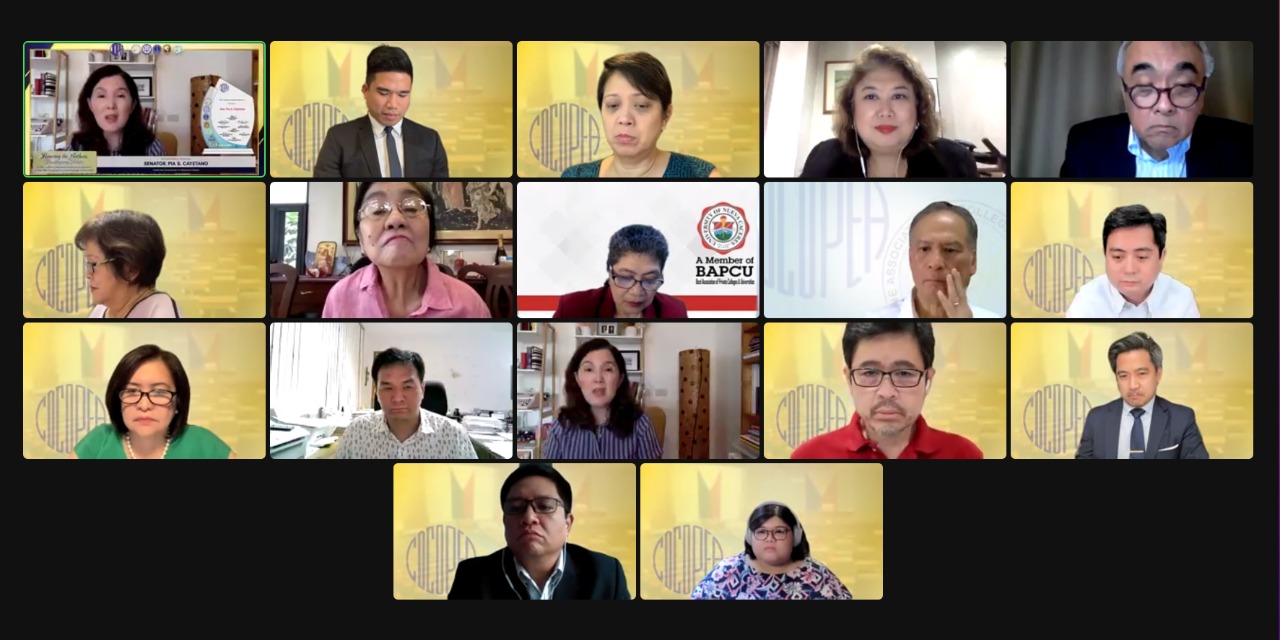
    Senator Pia Cayetano stresses the importance of stronger partnerships in education in her speech before the assembly of private school organizations.

    Senate Ways and Means Chair Sen. Pia Cayetano sponsored RA 11635, the law entitling all private schools to the preferential tax rate.

  • Pia: It’s high time we strengthen the law to end child rape

    Senator Pia S. Cayetano on Monday welcomed the approval on third and final reading of Senate Bill No. 2332, which seeks to amend the Anti-Rape Law to raise the minimum age of sexual consent from the current 12 years old to 16.

    “This amendment is long overdue. It’s high time we strengthen the law to end child rape,” said the senator, who is a co-sponsor of the measure.

    At the same time, Cayetano lauded the inclusion of the so-called ‘Romeo and Juliet’ or ‘close-in-age’ clause in the approved bill, which will protect the rights of young people who get involved in consensual and non-abusive sexual relations.

    “The Romeo and Juliet clause is integral to the bill.” Quoting a statement from the Child Rights Network, the senator explained that the Romeo and Juliet clause “ensures that the law on statutory rape does not criminalize consensual and non-abusive sex between people close in age. This protects young people from being labeled as sex offenders” if they do have consensual sex with their peers.  This position is also supported by the United Nations International Children’s Emergency Fund (UNICEF) and backed by various civil society groups. #

    Senator Pia Cayetano
    Senator Pia S. Cayetano lauds the passage of SBN 2332, which amends the Anti-Rape Law to raise the minimum age of sexual consent from 12 years old to 16.

  • Statement on the resumption of training for student-athletes

    I’d like to join the coaches and other stakeholders in expressing my serious concerns on the resumption of training for college and university student-athletes during this time of COVID-19.

    Let’s start with the law, Republic Act 10676 also known as the Student-Athletes Protection Act,  which I principally authored and sponsored. Section 2 of the law provides that student-athletes are first & foremost students. It further states that the obligation of schools & athletic associations to ensure that they attain quality education should remain a priority.

    So before we even start talking about the resumption of training, let me ask, how is their schooling? Are they getting the support they need for their education? I know many of them have returned to their homes in the provinces where access to WiFi might be weak or even non-existent. Many of them are also scholars and are in need of financial assistance. How about tutorials? In pre-COVID times, many athletes would spend at least 12 hours a week training, hours that other students spend studying. Some had access to tutorials then. What about now, when both online and modular education are faced with even more challenges?

    As a former student-athlete and member of the PH Women’s Volleyball Team, and also as a mother of two student-athletes, I have always believed in prioritizing studies over training. It’s all about finding balance. Has that changed now because of COVID-19? Because all this talk about training without any mention of the educational needs of the student-athletes seems to be a distortion of our priorities.

    I also happen to chair the Senate Finance l Subcommittee that oversees the proposed budget for higher education. I’m very cognizant of the concerns of colleges & universities in ensuring the safety and protection of students, teachers, and employees against the COVID-19 virus.  Thus, as early as the budget hearings I held in September, I have already expressed my concern about this issue when I first heard about the possible resumption of student-athletes’ training.

    Professional sports associations such as the Philippine Basketball Association (PBA) and the Philippine Football League (PFL) already started training and conducting games. And despite the safety and security measures that they implemented, a PBA player and 9 PFL players were recently diagnosed with COVID-19 in their pro league bubbles. Are the schools prepared to spend for the bubbles, the isolated quarters, and the regular testing, in addition to the usual training expenses?  From my own experience as a soccer mom, many schools cannot even ensure a sufficient budget for the medical expenses incurred by their student-athletes.  How will they take on the full responsibility of securing the welfare of student-athletes, many of whom are below 21 years old, if they get mass infected by the virus?

    These incidents reveal that while we still do not have a vaccine for COVID-19, the risks of transmission & infection are high, even in sports leagues & training bubbles administered by professional leagues, where strict health & safety protocols are being observed and spent for.

    The move to resume training was justified by the need for student-athletes to be “mentally and physically fit.” But why are we limiting it to student-athletes? Don’t all students have the right to be mentally and physically fit?

    I’m all for being fit & recognizing exercise as a vital component of mental health, especially during this time of COVID-19. This should be a program for all students that can be integrated in their study schedules from home. Breathing exercises, yoga stretches, cardio and strength training that do not require much space and equipment can easily be designed by fitness experts. But to resume student-athletes’ training in an unsecured environment is an entirely different matter. I’m glad many coaches also aired their concerns. Like many, I’m an avid UAAP fan who looks forward to weekends of watching games but this would have to wait.#

  • Nat’l Academy of Sports: Dream comes true for Filipino athletes

    Statement welcoming the signing of the National Academy of Sports Act

    By Senator Pia S. Cayetano
    Principal author and co-sponsor, RA 11470

    Ten years after I first filed the Philippine High School for Sports (PHSS) bill, it is now a law! Republic Act No. 11470, renamed as the National Academy of Sports, was signed into law by President Rodrigo Roa Duterte today.

    I thank our President and all my colleagues in the Senate and House who made significant contributions to this law and for making this a reality.

    I have always believed that sports can transform lives and uplift communities. As a former student-athlete and national team player for volleyball, this measure is close to my heart, and has been part of my advocacy for a decade. I remember filing my first version of this proposal back in 2010, based on an idea shared by Fr. Carmelo “Tito” Caluag. Then a member of the House of Representatives, Senator Sonny Angara also filed a similar bill in the Bigger House.

    Over the years, I have visited national training centers and high schools for sports in other countries. These centers have allowed their young student-athletes to pursue their passion in sports, get the training they need, and still stay in school. We have so much talent all over the country, but for many student-athletes, it has always been a choice – to study or to train. Now they can have both!

    With the enactment of this law, we are a step closer towards building a better future for millions of young Filipinos who have the potential to excel both in sports and in life. They can now receive world-class training while pursuing their academic education. The COVID-19 pandemic may have changed much of the way we live, but it will just be a matter of time that our athletes will be back training in full force.

    This law will certainly open more doors for our youth, including opportunities for college scholarships and the chance to represent our country. But beyond this is the opportunity to build their character and teach them values like hard work and discipline through sports, which will prepare them for a brighter future ahead. These young athletes will bring honor to their families and hometowns, and will become our next generation of homegrown heroes!

    The National Academy of Sports will be instrumental in cultivating national pride. Training with the best in the country will elevate our young athletes’ level of  performance in regional and international sports competitions. This will enable us to build on our recent victory in the 30th Southeast Asian (SEA) Games. The foundation has been laid; the time has come to build a nation of winners. And we will continue to win as one! #

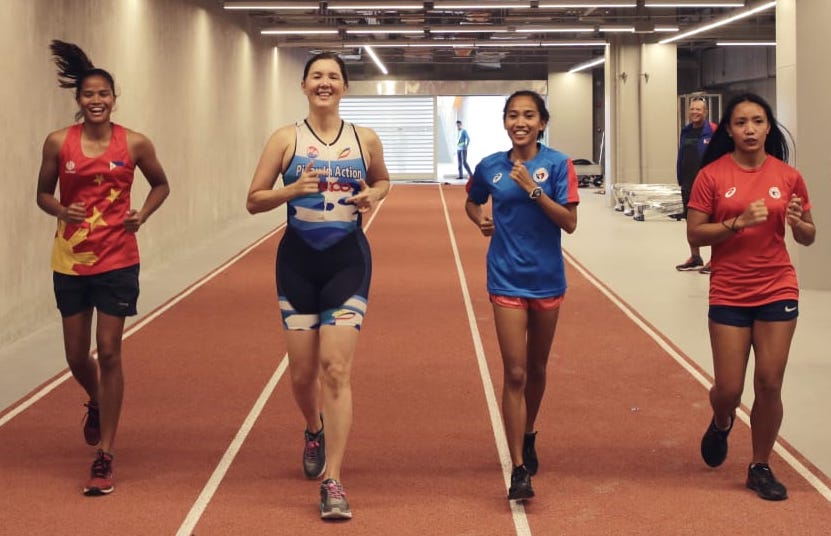
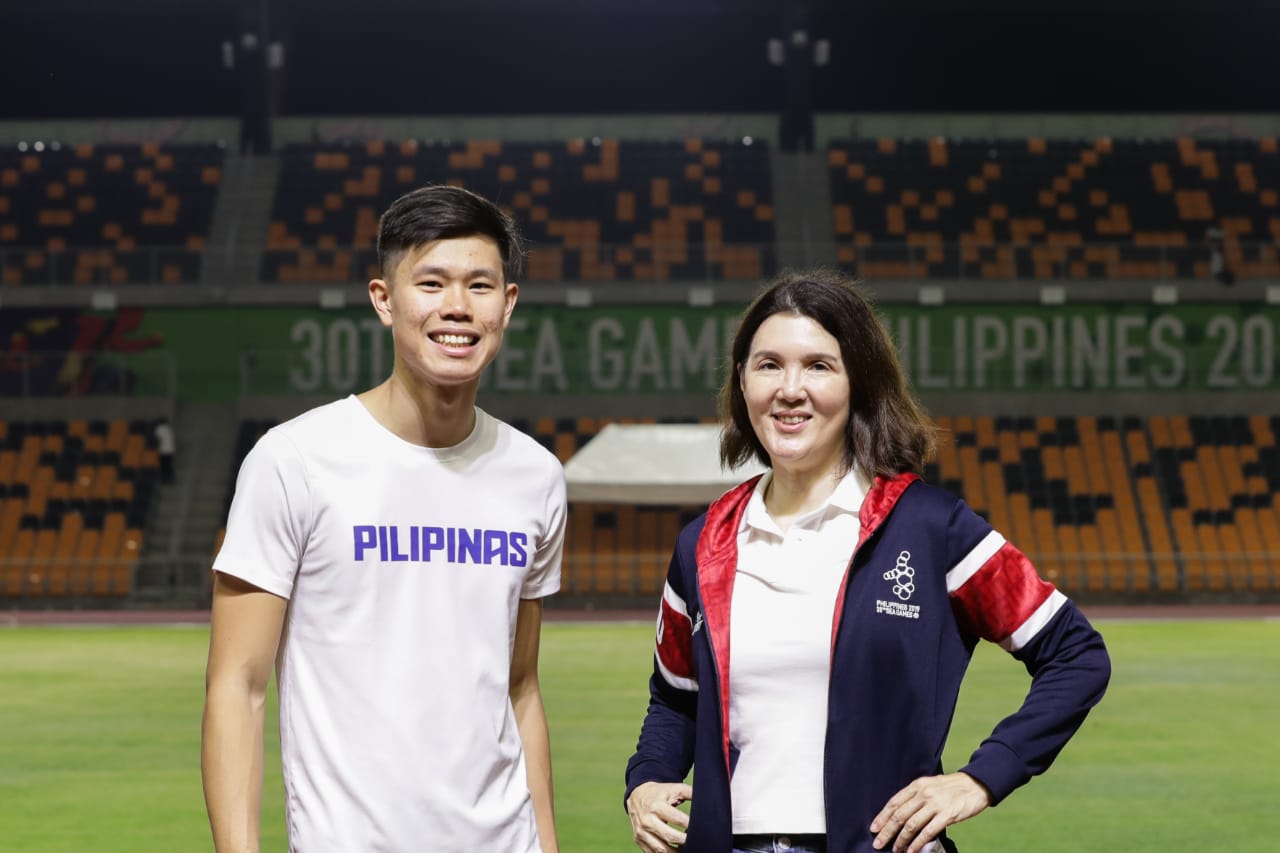
    Senator Pia S. Cayetano trains with female members of the Philippine Heptathlon Team at the indoor track facility of the New Clark City Athletic Stadium.

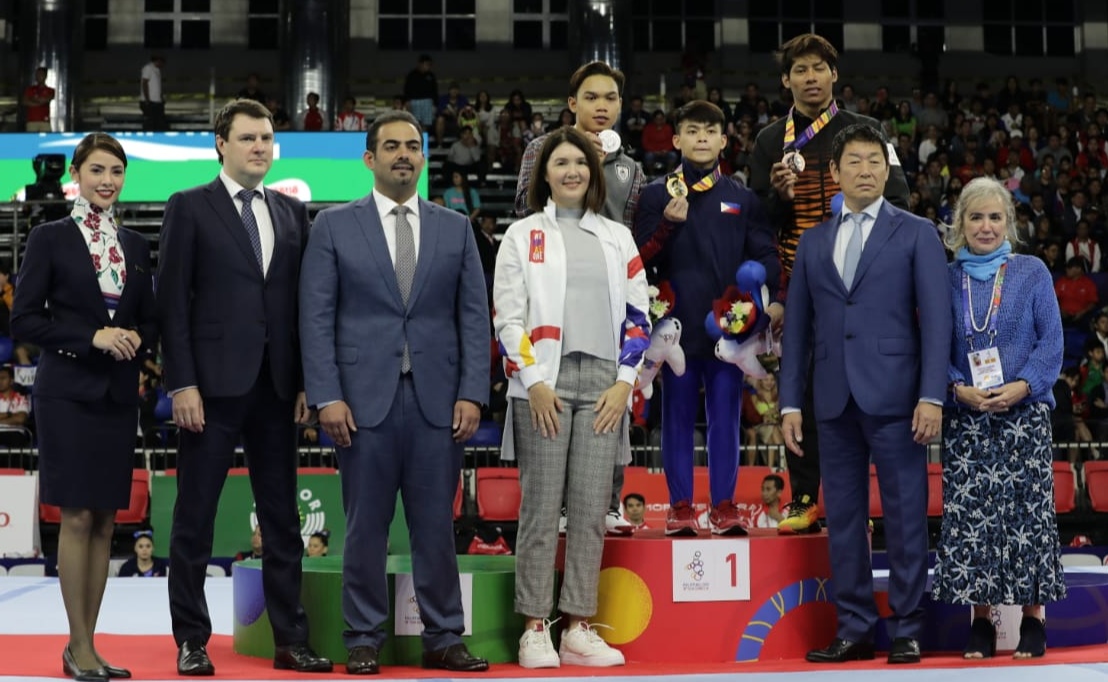
    Senator Pia Cayetano was one of the earliest supporters of the country’s budding national gymnastics program that produced Carlos Yulo, the most bemedalled Filipino athlete of the 2019 Southeast Asian Games.

    With world-class pole-vaulter EJ Obiena, one of the Philippines’ gold medal hopefuls for the Tokyo Olympic games, which have been moved to July 2021 amid the COVID-19 pandemic.

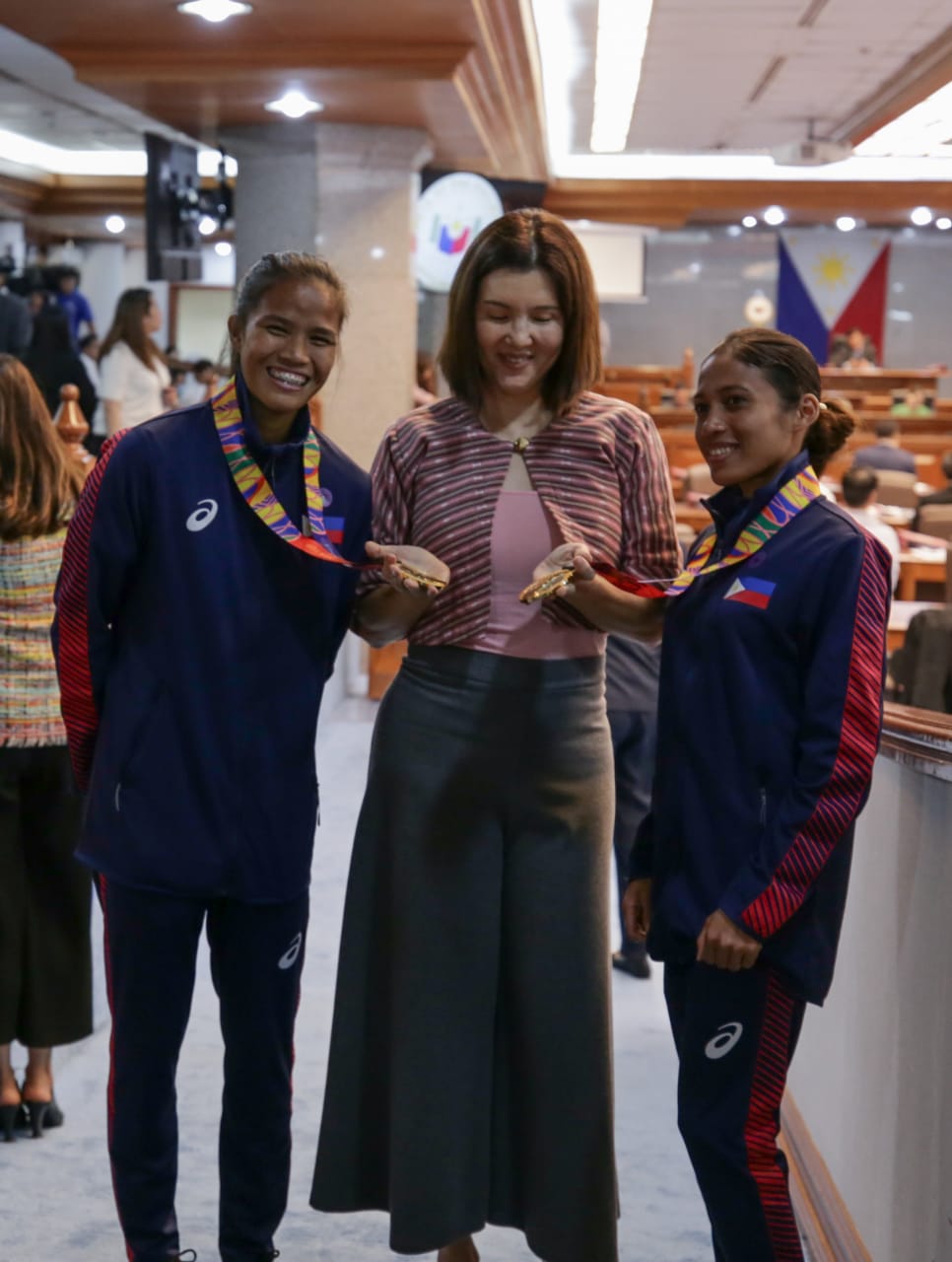
    Bukidnon’s pride heptathlete Sarah Dequinan and long-distance runner Christine Hallasgo personify the wealth of athletic potential among the Filipino youth, especially in the provinces.

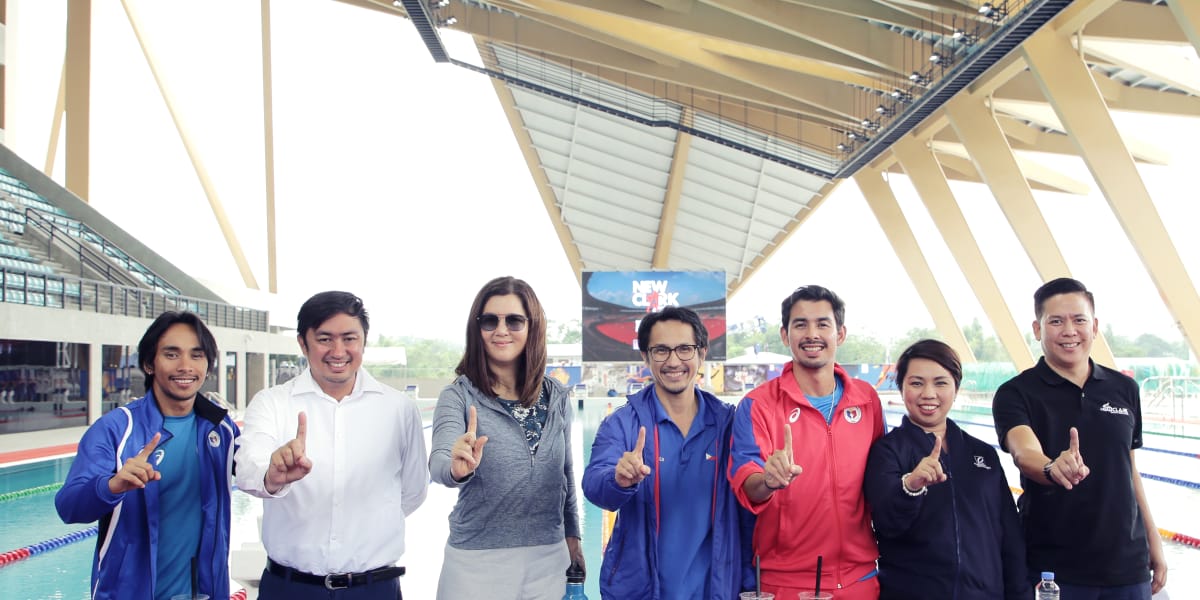
    The National Academy of Sports will rise at the sprawling New Clark City complex in Capas, Tarlac. File photo of Senator Pia Cayetano with triathlete John Chicano, who won the Philippines’ first gold at the 2019 SEA Games, and officials and partners of the Bases Conversion Development Authority (BCDA) led by Chair Vince Dizon at the world-class New Clark City Aquatics Center.

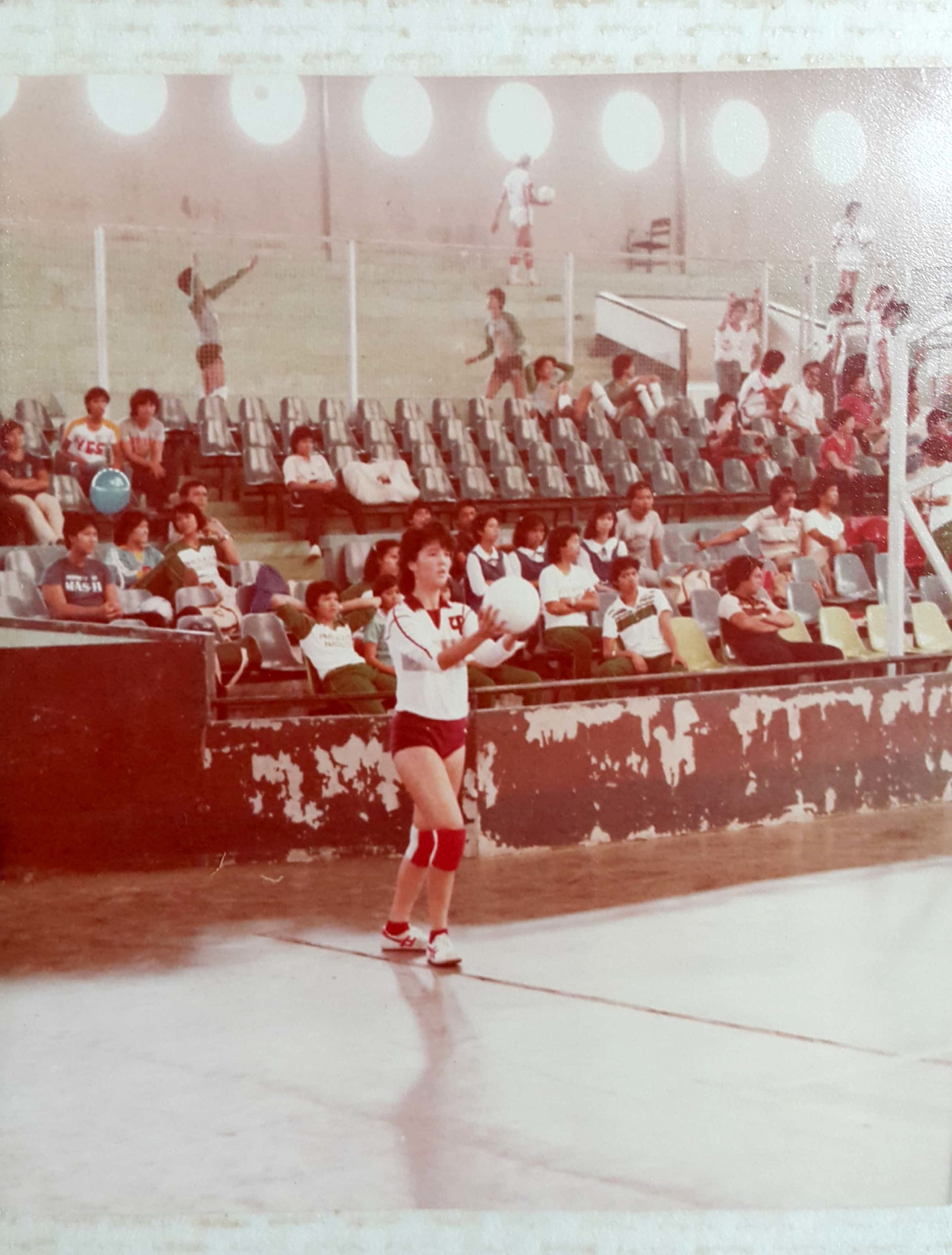
    Serving for Philippine sports then and now: Former national volleyball player-turned-lawyer-and-senator Pia Cayetano credits her sports training for her discipline and character.

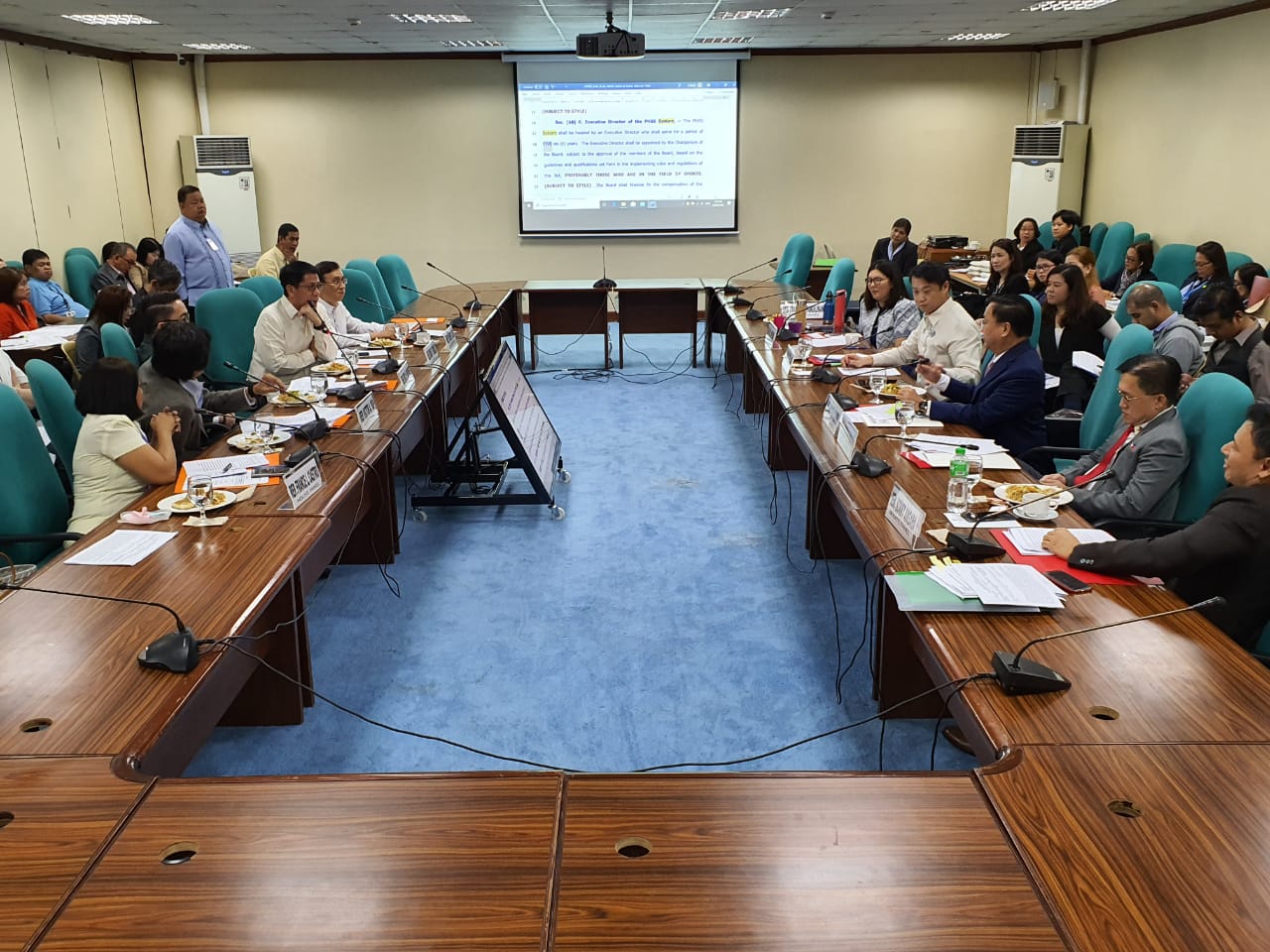
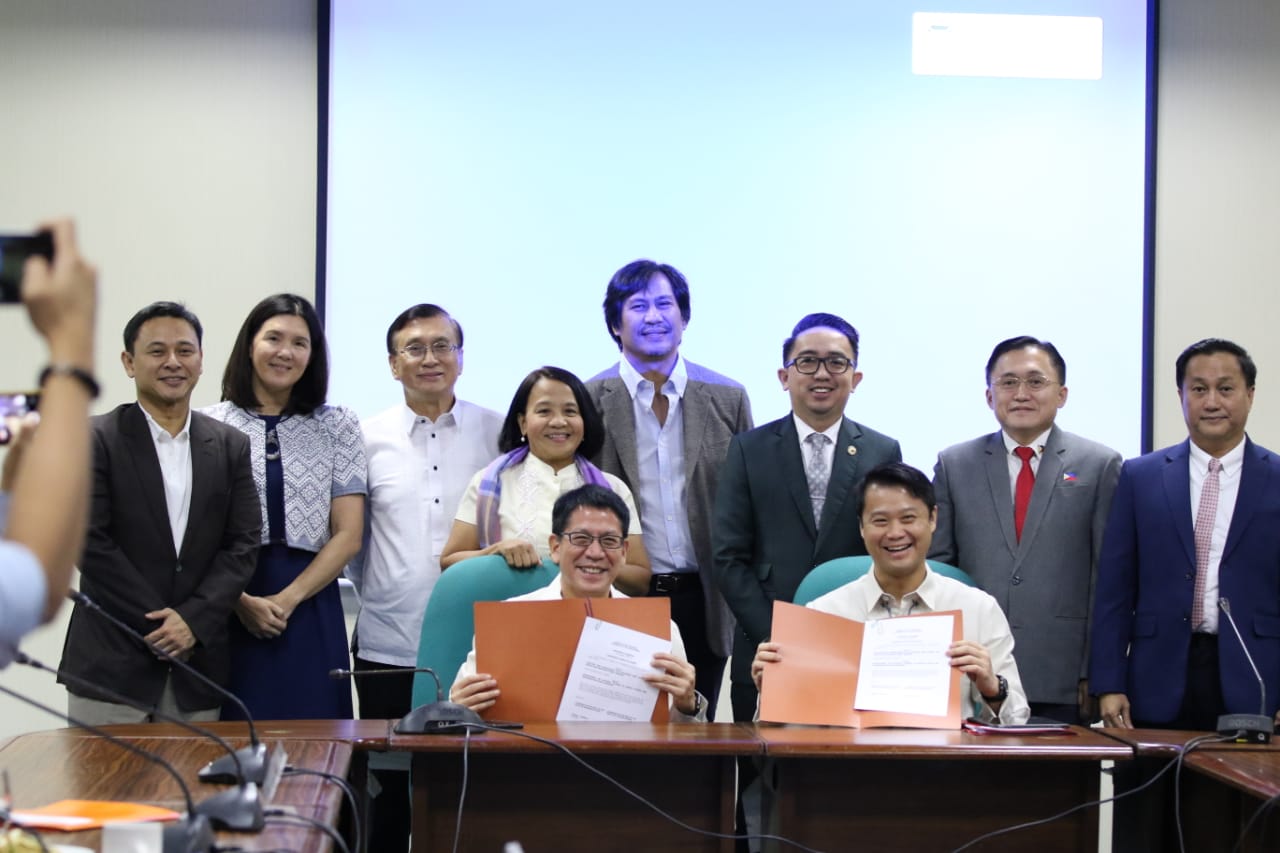
    Working with House and Senate colleagues at the bicameral conference committee meeting on the National Academy of Sports bill.

  • Over 1M abandoned, neglected kids need a caring home

    Senator Pia S. Cayetano is pushing to synchronize the country’s different adoption laws to hasten the process of finding a ‘second home’ for abandoned and neglected children across the country.

    Cayetano delivered a privilege speech on Wednesday (February 26) to urge her fellow senators to support her bill, the Alternative Child Care Act (SBN 61). Her speech also coincided with the commemoration of February as Adoption Consciousness Month.

    Citing a report from the United Nations’ Children’s Right and Emergency Relief Organization (UNICEF), Cayetano said about 1.8 million Filipino children remain abandoned or neglected for various reasons, including extreme poverty, domestic problems, natural disasters, armed conflicts, and other issues.

    Meanwhile, the senator cited data from the Department of Social Welfare and Development (DSWD) showing that only around 2,191 children in the country have been placed for domestic adoption between 2010 and 2018.

    “In eight years, [that’s] less than 300 children we are placing for adoption [yearly],” she pointed out.

    “It is my personal conviction that we consider the state of each of these [abandoned and neglected] children,” added Cayetano, herself a foster parent and eventual adoptive mother to her 8-year-old son, Rene Lucas.

    SBN 61 seeks to codify the country’s different laws on alternative child care and further improve the country’s foster care programs, such that out-of-home care provided by residential facilities shall only be a last resort for abandoned and neglected children.

    The bill also makes domestic adoption administrative in nature in order to streamline its procedures and make formal adoption more accessible to families who are willing and qualified to adopt a child.

    “The Constitution states that, ‘the State shall defend the right of children to assistance, including proper care and nutrition, and special protection from all forms of neglect, abuse, cruelty, exploitation, and other conditions prejudicial to their development,’” Cayetano cited in her privilege speech.

    “I leave all of you with that visual of 1.8 million Filipino children without families who will care for and love them – not a mother or father to read them a bedtime story, to tuck them in, to even ensure that they come home when the sun goes down,” she added

    “This is the objective of improving our law, so that we can expedite our [adoption and foster care] procedures, and we can place these children [under foster or adoptive families] faster so that they can have the home that they deserve,” the senator concluded. #

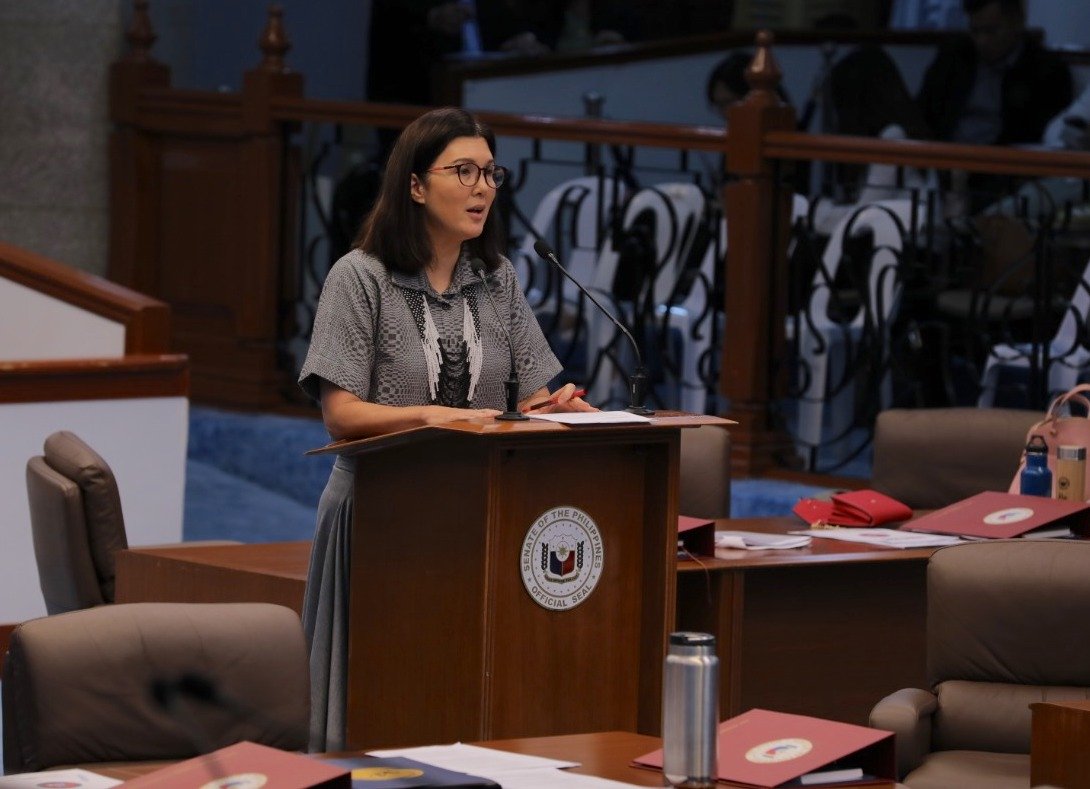
    Senator Pia S. Cayetano delivers a privilege speech at the Senate in commemoration of February as ‘Adoption Consciousness Month.’ (February 26, 2020)

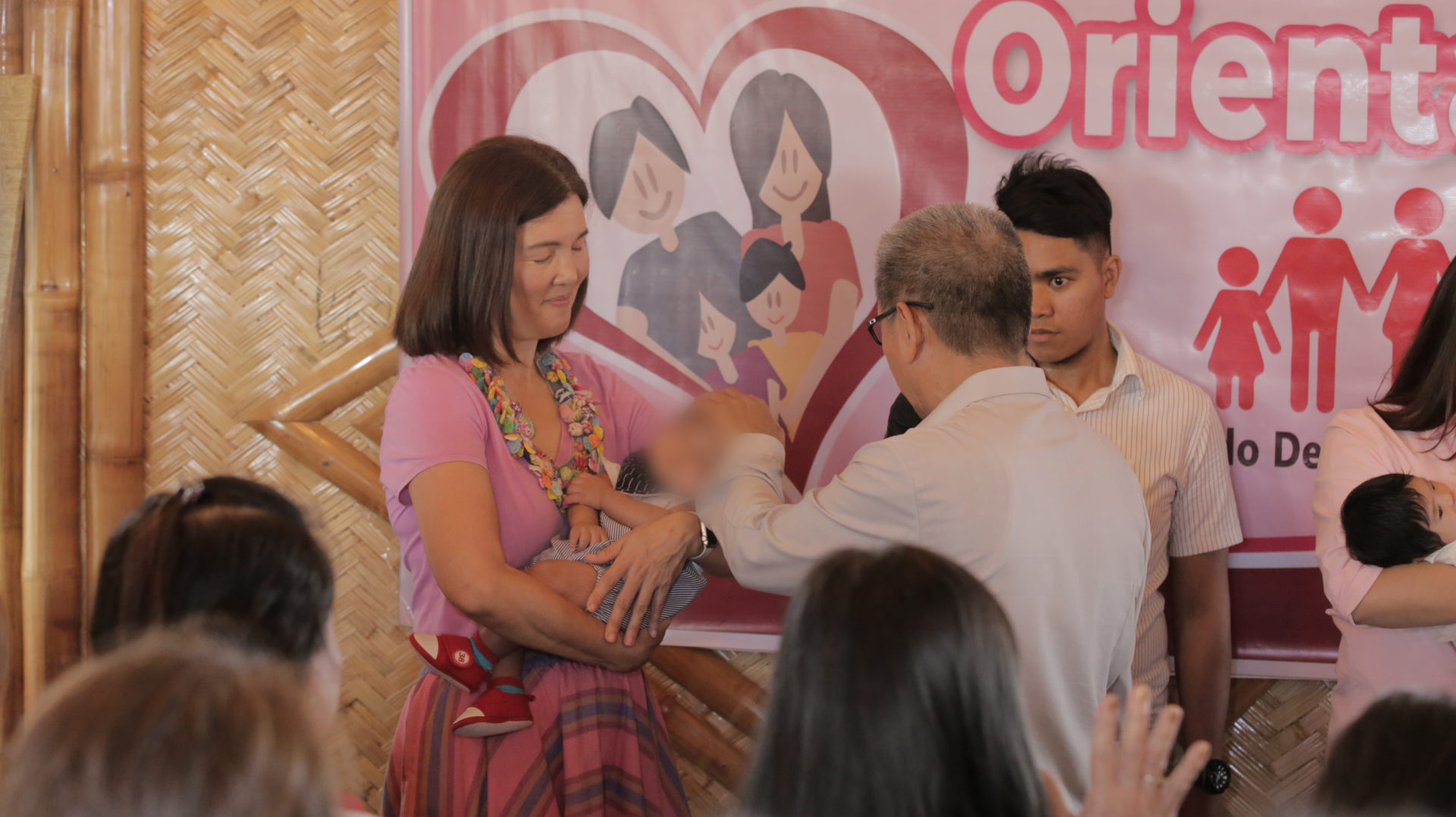
    In this file photo, then House Deputy Speaker Pia S. Cayetano stands witness to the christening of three babies under the care of Taguig Lingap Center, the city’s shelter for children at risk.

  • Pia’s advice to fellow parents: safeguard your kids against vapes, e-cigarettes

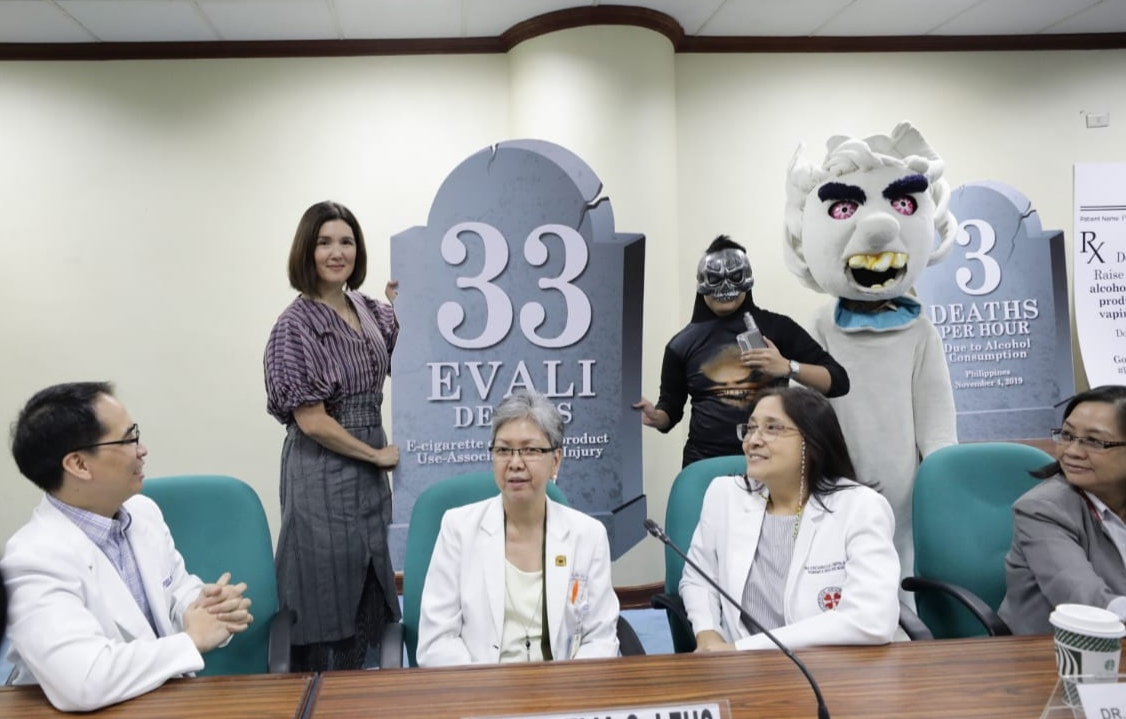
    Following the passage of the Sin Tax Law that substantially raises taxes on electronic cigarettes, Senator Pia S. Cayetano appealed to fellow parents to safeguard and educate their children from the dangers of picking up “these new dangerous vices” that seem to be targeting the youth.

    “This is my call to all Filipino parents, please (discourage your children from) using these heated tobacco products (HTPs) and vapes. These devices are harmful to their health,” said the senator, who sponsored the sin tax measure in the Senate as Chair of the Ways and Means Committee.

    The senator had initially pushed for higher tax rates on HTPs and vapes, citing evidence from health experts that such products could not be considered as effective cessation devices, and that they could cause harm to non-smokers and the youth.

    “I based my position on [scientific evidence and] the recommendations of health advocates, no less than the World Health Organization (WHO), that we treat these e-cigarettes and HTPs equally as if they are cigarettes,” she stressed during a press conference with sin tax advocates on Tuesday (January 28).

    “It is my job to veer on the side of safety. That ‘s why the position I’ve always taken is, unless there is convincing evidence that these are truly cessation products, and that these companies are willing to register them as such, then we should treat them as harmful products,” Cayetano added.

    On this note, the senator reiterated her call for young Filipinos and non-smokers to avoid using e-cigarettes, HTPs, and vapes, as these could cause serious damage to their health.

    “I call on all our young people. I will never get tired of reminding you that these products – HTPs, ENDS/ENNDS (Electronic Nicotine/Non-Nicotine Delivery Systems), and vapes – can be dangerous to your bodies. We don’t want you to take on these brand new vices,” Cayetano stressed.

    Meanwhile, the senator expressed commitment to work with fellow legislators, other government agencies, and advocacy groups in assessing and strengthening the country’s smoking- and drinking-cessation programs. #

    File photo: Senator Pia Cayetano holds a press conference with health advocates to push for the passage of higher excise taxes on e-cigarettes.

  • Pia: PH vision should ensure care for people’s eyesight

    To fulfill the vision of a sustainable future for all Filipinos, the government should work on ensuring quality and accessible eye care services for citizens that will help them achieve brighter and healthier lives.


    Thus said Senator Pia S. Cayetano in light of the celebration of World Sight Day (October 10). Held every second Thursday of October, the event seeks to draw global attention to blindness and vision impairment with the goal of preventing them.


    A known health advocate, Cayetano stressed the need to protect the eyesight of all Filipinos – from young children to senior citizens. She added that poor vision and avoidable blindness remain an underreported public health issue in the country.


    Data from the Department of Health (DOH) in 2017 showed that more than two million people nationwide were blind or suffering from poor vision, with an estimated 332,150 Filipinos bilaterally blind, and 2.179 million with bilateral low vision.


    The senator, for her part, stressed that the passage of a new law establishing a national vision screening program for kindergarten pupils could help turn the situation around.


    It was Cayetano who authored and sponsored Republic Act 11358, or the ‘National Vision Screening Act,’ which was signed by President Rodrigo Duterte earlier this year.


    The new law seeks to establish a National Vision Screening Program (NVSP) for young pupils under the Department of Education (DepEd).


    The senator said early detection of eye problems is crucial in ensuring immediate intervention and proper treatment for children suffering from early vision impairments.


    “Ensuring the full well-being of our children is the first step to enable them to reach their full potential and grow up as our partners in attaining sustainable growth and development,”  she said.


    Moreover, the law also paves the way for the fulfillment of our Sustainable Development Goals (SDGs), added Cayetano, who chairs the Senate Committee on SDGs, Innovation, and Futures Thinking.


    Goal 3 of the United Nations’ SDGs calls on nations to ensure healthy lives and promote well-being for all ages. This includes the provision of essential services based on tracer interventions like vision screening.


    In 2016, Cayetano partnered with the Taguig city government and the University of the Philippines-Manila Philippine Eye Research Institute (PERI) to spearhead a pilot vision screening test for kindergarten pupils in the city.


    150 pupils aged five to six underwent a simple vision-screening test, about 15 of whom were found to have vision problems, and in turn, given immediate and proper treatment. #

  • Raising teachers’ pay to help affirm dignity of teaching

    Senator Pia S. Cayetano today said raising the compensation of teachers is the best affirmation of government’s high regard for the country’s educators and their contributions to nation-building. 

    The senator issued the statement in time for National Teachers’ Day, which is being observed on October 5 (Saturday).

    A staunch education advocate, Cayetano authored Senate Bill No. 70, or the ‘Additional Support and Compensation for Educators in Basic Education Act.’

    The measure proposes a salary increase of P10,000 per month for public school teachers, locally-funded teachers, and non-teaching personnel of the Department of Education (DepEd).

    The salary hike shall be granted over three years in three tranches, starting with a P4,000 monthly pay hike on the first year, an additional P3,000 per month on the second year, and a final increment of P3,000 per month on the third year.

    The bill is currently being deliberated with similar measures by a technical working group under the Senate Committee on Civil Service, Government Reorganization and Professional Regulation.

    “Raising the compensation of teachers affirms the dignity of the teaching profession. This will not only improve their lives, but also inspire them to further improve,” she explained.


    “We have so many hardworking teachers who deserve more support. Also, we can still do better to make the teaching profession more attractive to the best and brightest,” she stressed.


    “I want to be able to leave that kind of legacy to our children – that they can go to any school in the Philippines, and get the best education possible because they will be mentored by intelligent and dedicated teachers,” she added.


    Cayetano pointed out that empowering teachers to successfully fulfill their role in society is part of the country’s commitments to the United Nations’ Sustainable Development Goals (SDGs).


    Goal 4 of the SDGs particularly states that by 2030, the supply of qualified teachers in the country should have substantially increased.


    Apart from the salary adjustment, Cayetano’s bill seeks to grant public school teachers the following benefits: Medical allowance, a yearly bonus based on the Magna Carta for Public School Teachers (RA 4670), and additional compensation from local school board funds.

    The former chair of the Senate Committee on Education, Arts, and Culture, Cayetano has championed the passage of landmark laws that enhanced public education in the country, including the National Teacher’s Day Act (RA 10743), Unified Student Financial Assistance System for Tertiary Education or UniFAST Act (RA 10687), Open High School System Act (RA 10665), Open Distance Learning Act (RA 10650), Iskolar ng Bayan Act (RA 10648), and Ladderized Education Act (RA 10647).#

    Senator Pia Cayetano: “We have so many hardworking teachers who deserve more support.”