Official Website of Philippine Senator Pia Cayetano

Tag: Sin Taxes

  • NEWS RELEASE: Zero-Balance Billing only possible with fully funded PhilHealth — Cayetano

    NEWS RELEASE: Zero-Balance Billing only possible with fully funded PhilHealth — Cayetano

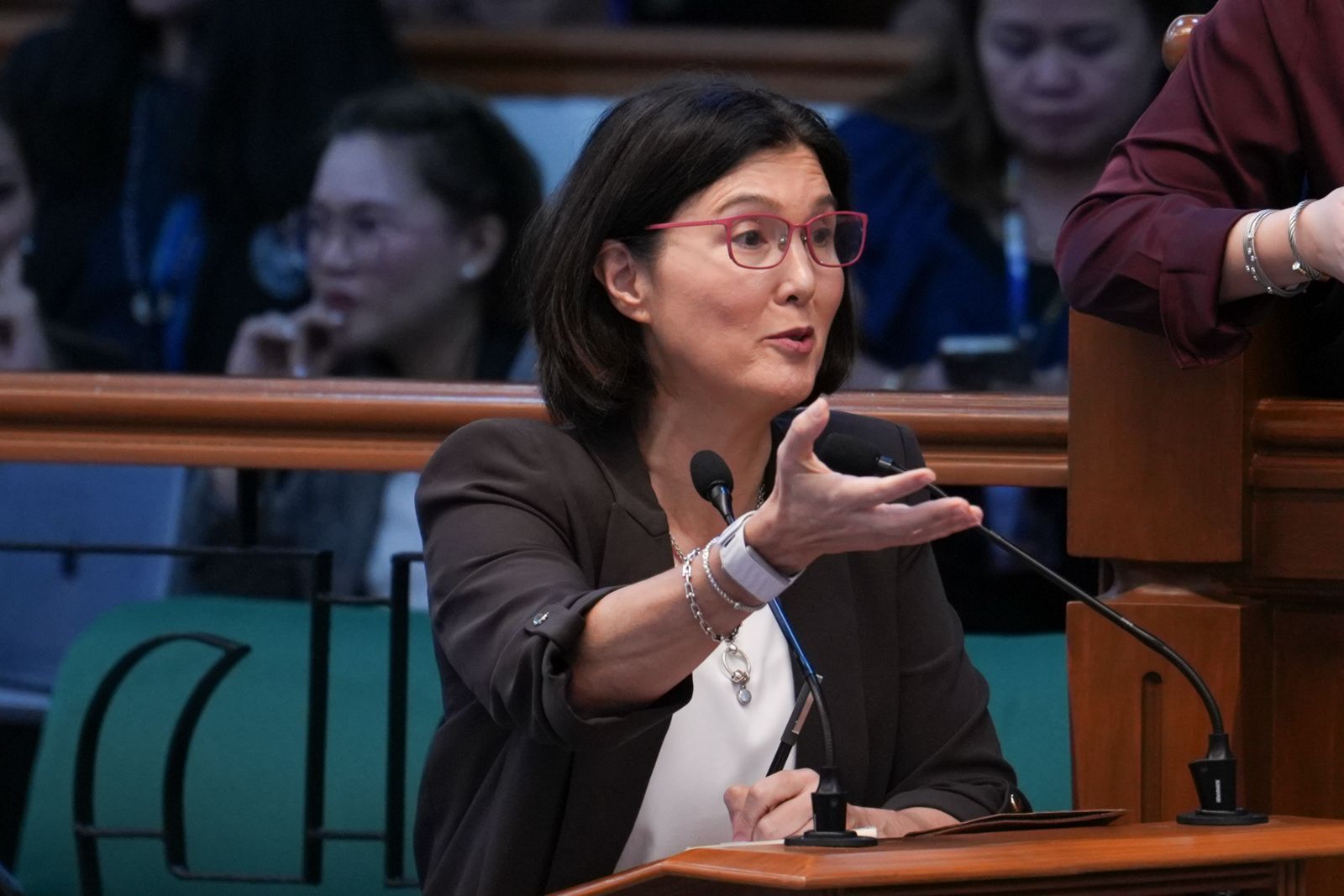
    Senator Pia S. Cayetano stressed that the highly-publicized Zero-Balance Billing (ZBB) policy might just work as intended should the billions in legally earmarked PhilHealth funds be properly allocated to the agency.

    “If PhilHealth were given every peso intended for it, the promise of Zero-Balance Billing would not be limited to a few hospitals. It could be a real, functioning guarantee for every Filipino patient,” Cayetano said.

    Her statement follows the Supreme Court’s ruling on the illegal transfer of P60 billion in PhilHealth funds to the National Treasury in 2024. Explaining her reservations during the third reading of the 2026 GAA, Cayetano said, “This is not a matter of an unfunded law. This is earmarked. So saan napunta yun? What is clear is that the Sin Tax Reform Act of 2019 (RA 11346) earmarks the proceeds of the sin tax for Philhealth. If this is not delivered to Philhealth, I do not want this body to be complicit in this act.”

    The Senator said that while the Supreme Court’s ruling is a welcome correction, it also highlights a deeper problem: even with the ruling, much remains to be fixed both in the budget and in the way the budget is put together.

    During the 2026 budget deliberations, she presented the deficits in sin tax allocations earmarked for PhilHealth from 2023 to 2026, amounting to ₱129.96 billion:

    • 2023: ₱83.9B was earmarked, only ₱79B appeared in the GAA (₱4.9B deficit)
    • 2024: ₱79.01B was earmarked, only ₱40.28B made it to the GAA (₱38.73B deficit)
    • 2025: ₱69.81B was earmarked, but the bicameral conference committee removed the allocation entirely (₱69.81B deficit)
    • 2026: ₱69.78B is earmarked, but only ₱53.26B is in the NEP (₱16.52B potential deficit)

    Cayetano also pointed out that ₱106.95 billion in PCSO and PAGCOR revenues were legally intended for PhilHealth between 2019 and 2025, on top of the ₱60 billion covered by the Supreme Court ruling. “These gaps are not technicalities,” she said. “They are the reason ZBB has not become fully operational.”

    PhilHealth has estimated that it needs at least ₱147 billion more to subsidize indirect contributors and achieve ZBB coverage across DOH hospitals, specialty institutions, and LGU facilities.

    “We cannot celebrate the Supreme Court ruling and then continue underfunding PhilHealth in the very same budget cycle,” she said. “If we want Zero-Balance Billing to work, we must restore every peso legally intended for the health of our people — and fix the process that keeps taking those pesos away.”

  • Senator Pia sponsors 2026 DOH budget

    Senator Pia sponsors 2026 DOH budget


    “Good health is the foundation of sustainable development. By investing in our people’s health today, we are upholding our commitment to universal healthcare and ensuring intergenerational fairness for all Filipinos.

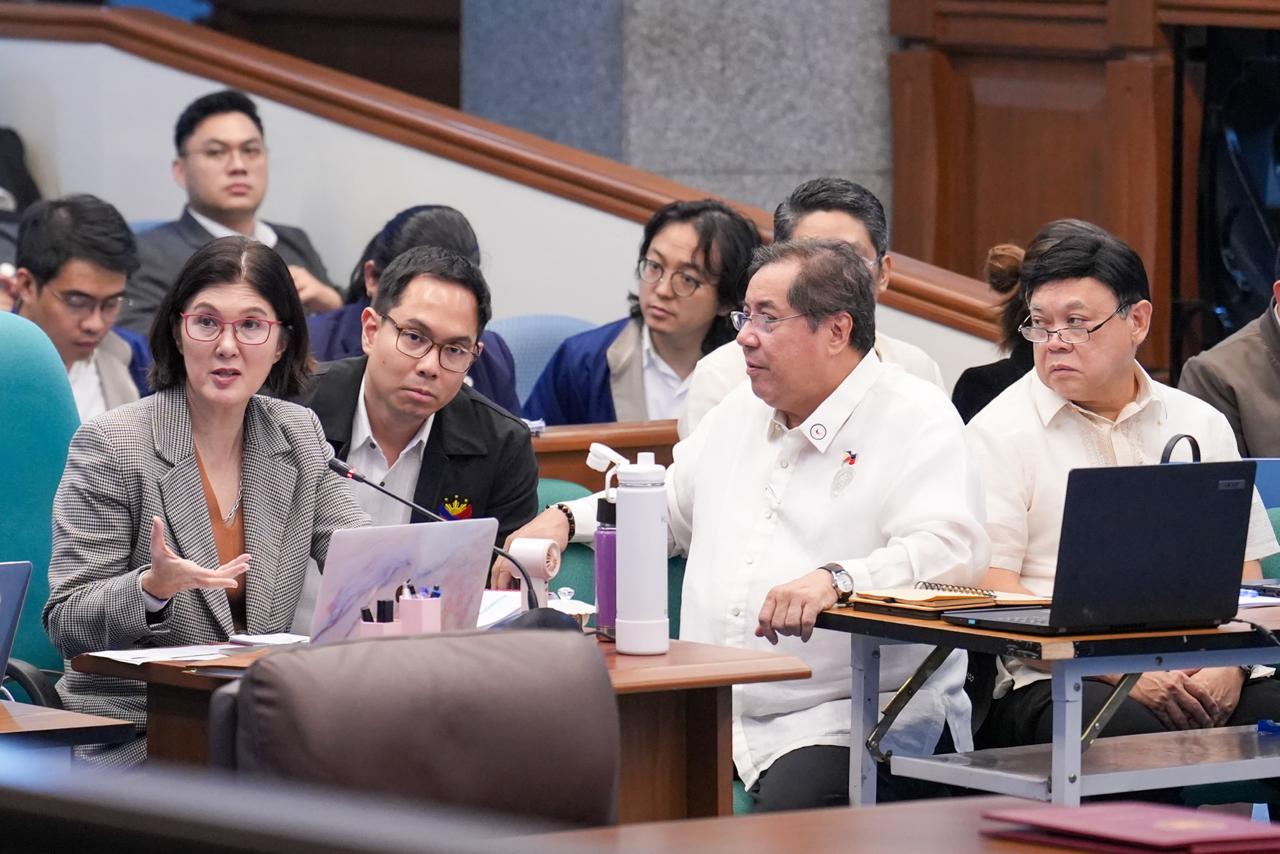
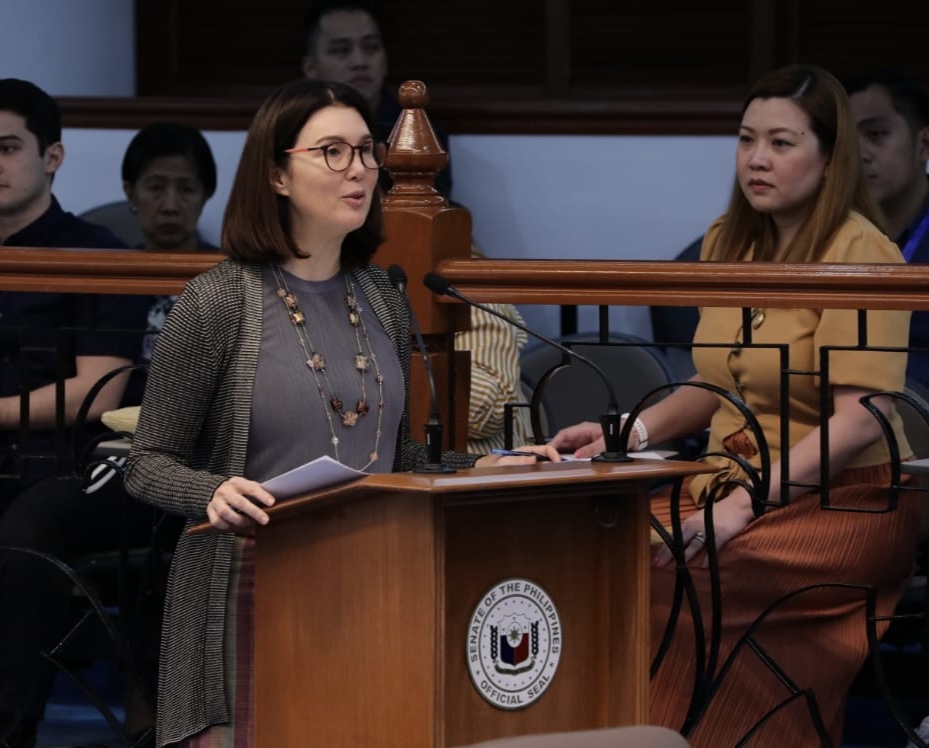
    On Monday, Senator Pia S. Cayetano, Senior Vice Chairperson of the Senate Committee on Finance, sponsored the proposed 2026 budgets of the Department of Health and its attached agencies and corporations, including the Philippine Health Insurance Corporation.

    Among her key funding recommendations were the expansion of the Zero-Balance Billing (ZBB) Progam in DOH and regional hospitals, support for its pilot implementation in select LGU hospitals, and the direct allocation of the Medical Assistance to Indigent and Financially Incapacitated Patients (MAIFIP) to government hospitals. She also called for continued support for the Research Institute for Tropical Medicine (RITM) and other specialty hospitals.

    As Chairperson of the Committee on Sustainable Development Goals, Innovation, and Futures Thinking, Sen. Cayetano reviewed the health budget through the lens of SDG 3 (Good Health & Wellbeing), ensuring that investments advance universal healthcare, preventive care, healthy lifestyles, and equitable access to services.

    Building on these priorities, she reiterated that sin tax revenues must be fully allocated to health as mandated by law, emphasizing that these funds are essential for strengthening healthcare and expanding access to services for all Filipinos.

  • Sen. Pia: Corruption, Flood Control Anomalies threaten PH Economy

    Sen. Pia: Corruption, Flood Control Anomalies threaten PH Economy

    NEWS RELEASE
    NOVEMBER 13, 2025

    Wednesday (November 13) – Senator Pia S. Cayetano raised the alarm over persistent corruption in government agencies, warning that schemes such as ghost flood control projects not only waste public funds, but also undermine taxpayer confidence, discourage investments, and ultimately slow the country’s economic growth.

    Cayetano, who chairs the Senate Committee on Ways and Means, led a public hearing on Tuesday (November 12) to assess the performance of the Bureau of Internal Revenue (BIR) and the Bureau of Customs (BOC), the government’s key revenue-generating agencies.

    Former BIR Commissioner Romeo Lumagui, Jr. earlier admitted that the agency is short of P897 billion to meet its P3.219-trillion collection target for 2025 amid a slowdown in government spending triggered by recent flood control scandals. 

    Cayetano said the situation reflects how graft and corruption creates a vicious cycle that not only drains the country’s resources, but also erodes public and investor confidence, leading to weaker revenues, fewer investments, and slower job creation for Filipinos.

    “Sadly, we are in a situation where, as we try to help people understand where their taxes should go – on education or health services – they instead hear these stories of graft and corruption. Sino bang hindi malulungkot? Sino pa bang gaganahan to pay their taxes? Sinong investor pa ang gustong maglagay ng pera dito sa atin,” the Senator stressed during the hearing.

    “The challenge before us is to ensure that our revenue system remains equitable, efficient, and responsive to the needs of the Filipino people,” she added.

    Cayetano further noted that during her consultations for the Corporate Recovery and Tax Incentives for Enterprises (CREATE) Act, which she sponsored, business groups and investors repeatedly cited persistent corruption as a major deterrent to investing in the Philippines.

    She emphasized that tackling these issues requires both strong enforcement and legislative support to strengthen government systems, improve transparency, and restore confidence among taxpayers and investors.

    The Senator stressed that addressing corruption and loopholes in government agencies also involves investing in the right technology to improve monitoring and close gaps in existing procedures.

  • SC landmark ruling a victory for Filipinos, youth

    By Senator Pia S. Cayetano

    • Principal sponsor, RA 7911
    • Intervenor, GR 200431 (DOF and FDA as petitioners, Cayetano and Drilon as petitioners-intervenors vs. Philippine Tobacco Institute, Inc. as respondent)

    The Supreme Court just affirmed the right of every Filipino to good health by upholding the power of the Food and Drug Administration (FDA) to regulate cigarettes and tobacco products. This is a major victory for our people and advocates for tobacco control and public health.

    Thirteen years ago, I sponsored and defended what became the FDA Act of 2009. RA 9711 mandated the FDA to regulate all products affecting health, including cigarettes and tobacco. The tobacco industry rejected FDA’s authority, and went to court to prevent the FDA from regulating them.

    The health hazards of tobacco cannot be denied, and are backed by strong medical evidence. It is common sense that these products be subjected to strict regulation by a competent health authority.

    After a long judicial process, the SC has ruled in our favor by affirming FDA’s jurisdiction over cigarettes and tobacco products. As principal sponsor of RA 9711 and later, as an intervenor in this case along with Sen. Franklin Drilon, I laud our SC for this landmark decision.

    This win is for the Filipino people and will benefit future generations. It may have taken 13 years, but it’s these victories that remind me to keep fighting the good fight. It’s what makes my job worthwhile.

    This triumph wouldn’t have happened without the guidance and support of my fellow health advocates, including the late health secretary, Dr. Alberto ‘Quasi’ Romualdez.

    (more…)

  • Sin tax to go a ‘long way’ in protecting people’s health, welfare

    Speech of Senate Ways and Means Committee Chair Senator Pia S. Cayetano on the Bicameral Conference Committee Report on Sin Tax

    Mr. President, as Chairperson of the Senate contingent to the bicameral conference committee that discussed the proposed sin tax reform measure, I now have the privilege to report to you the approved bicam version of our bill.

    These are now the rates that the bicam committee adopted:

    For fermented liquor, the specific tax rates will be raised to P35 in 2020, P37 in 2021, P39 in 2022, P41 in 2023, and P43 in 2024, with a 6 percent indexation in the following years.

    For distilled spirits, the specific tax rates will be raised to P42 in 2020, P47 in 2021, P52 in 2022, P59 in 2023, and P66 in 2024, with a 6 percent indexation in the following years. There will also be an ad valorem tax rate of 22 percent beginning next year.

    For sparkling and still wines, the fixed tax rate will be P50, with a 6 percent indexation in the following years.

    For heated tobacco products or HTPs, the tax rate will be P25 in 2020, P27.50 in 2021, P30 in 2022, and P32.50 in 2023, with a 5 percent indexation in the following years.

    For salt nicotine, the tax rate will be P37 in 2020, P42 in 2021, P47 in 2022, P52 in 2023, with a 5 percent indexation in the following years.

    For free base vape products, the tax rate will be P45 in 2020, P50 in 2021, P55 in 2022, P60 in 2023, with a 5 percent indexation in the following years.

    These rates are expected to generate P22.2 billion worth of revenues from alcohol and e-cigs during the first year of implementation, minus the VAT exemption on specific prescription medicines (P5.2 billion), which will bring the net incremental revenues from the measure to P17.1 billion.

    Mr. President, I would like to put on record that as Chair of the Senate Ways and Means Committee, I had pushed for substantially higher sin tax rates under our Committee Report to meet the funding requirements for universal health care. Moreover, it is my firm belief that taxation can be an effective tool to deter the consumption of products that are deemed harmful to our people’s health. All this, while balancing the interests of the various industries involved.

    But we also recognize that as a bicameral body, Congress works on the principles of fair, democratic deliberations and consensus building. Having said this, I thank my fellow legislators for their input and cooperation, which will now pave the way for the ratification of this meaningful measure. I remain confident that, albeit lower than what we originally proposed, the revenues to be generated under this sin tax measure would go a long way in protecting our people’s health and welfare.

    Note: As manifested on the floor during Wednesday’s session (Dec. 18), the speech was not read by Senator Cayetano and was inserted into the Senate records.

    Senate Ways and Means Chair Pia Cayetano confers with members of the House panel during the bicameral conference meeting on the Sin Tax Bill. (L-R) Deputy Speaker (DS) Deogracias Victor Savellano, DS LRay Villafuerte, Rep. Jack Duavit, Rep. Estrellita Suansing, and House Ways and Means Chair Joey Salceda.

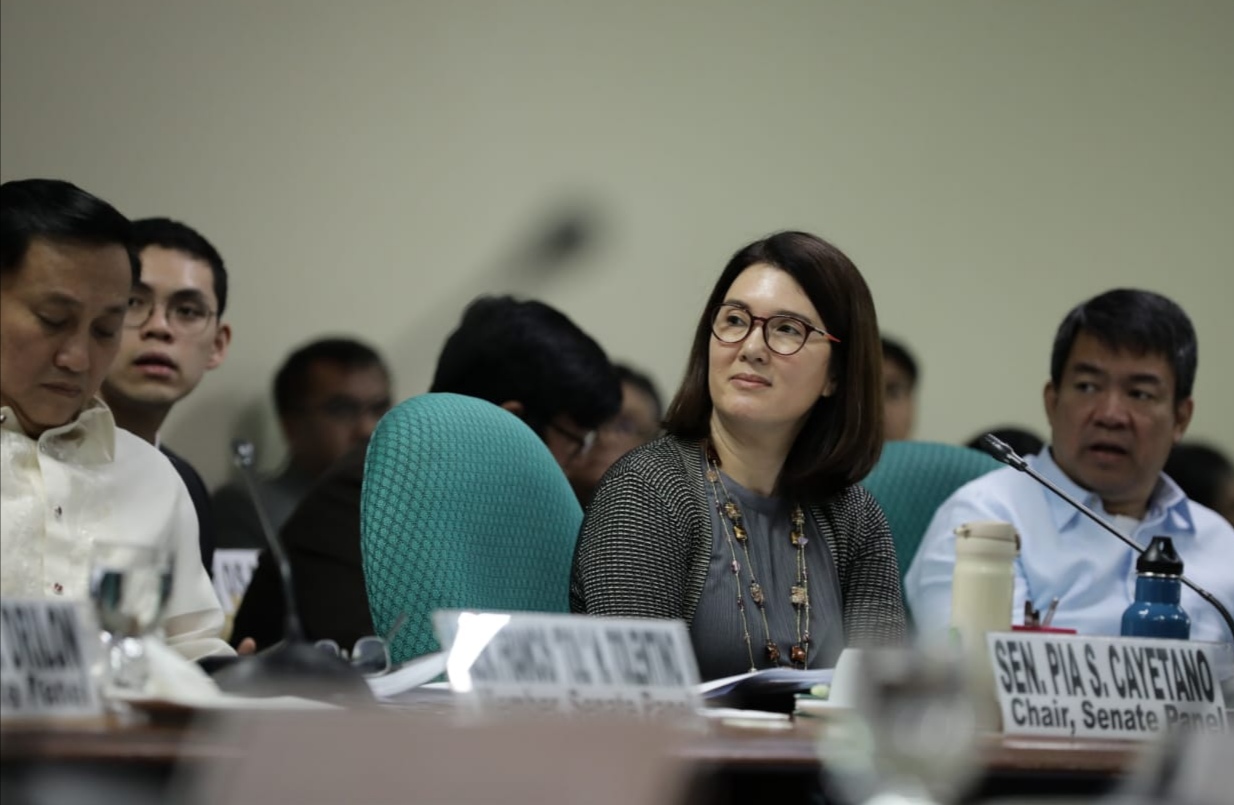
    Tax sin products for people’s health: Senator Pia S. Cayetano with fellow bicam panel members Sen. Francis ‘Tol’ Tolentino and Sen. Aquilino ‘Koko’ Pimentel.

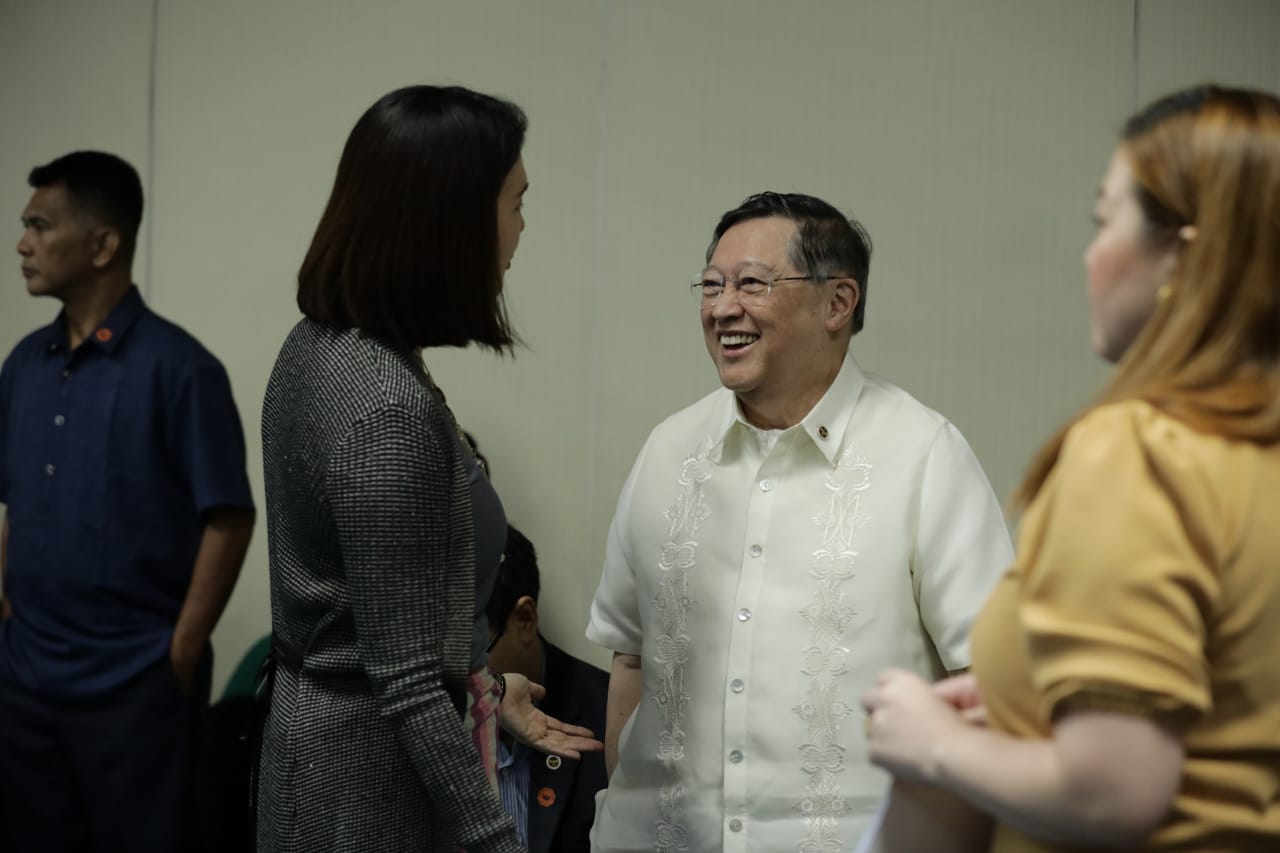
    Senate ways and means committee chair Pia Cayetano greets finance secretary Sonny Dominguez, who made a surprise visit at the bicam meeting and watched the proceedings from the sidelines.

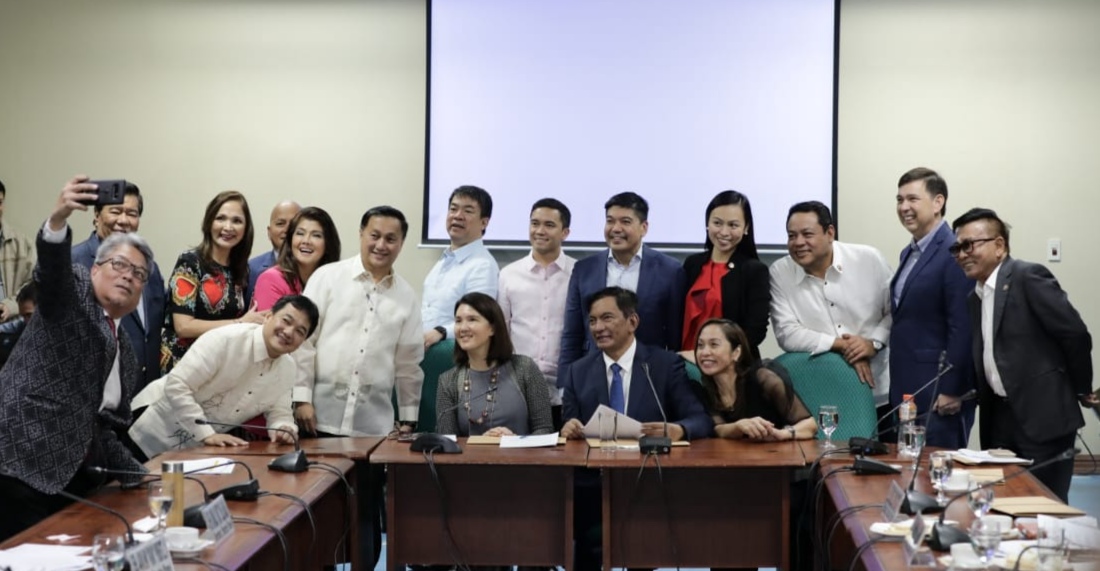
    Bicam bill is signed! (L-R, 1st row) Deputy Speaker (DS) Deogracias Victor Savellano, DS Raneo Abu, Sen. Francis Tolentino, Senate WAM Chair Pia S. Cayetano, House WAM Chair Joey Salceda, Rep. Sharon Guarin (L-R, 2nd row) Senate Minority Leader Franklin Drilon, Rep. Estrellita Suansing, Sen. Ronald ‘Bato’ Dela Rosa (partly hidden), Sen. Imee Marcos, Sen. Aquilino ‘Koko’ Pimentel, Rep. Jose Antonio Alvarado, DS LRay Villafuerte, Rep. Sheena Tan, Rep. Jack Duavit, Senate President Pro Tempore Ralph Recto, and Rep. Teodorico Jaresco, Jr.

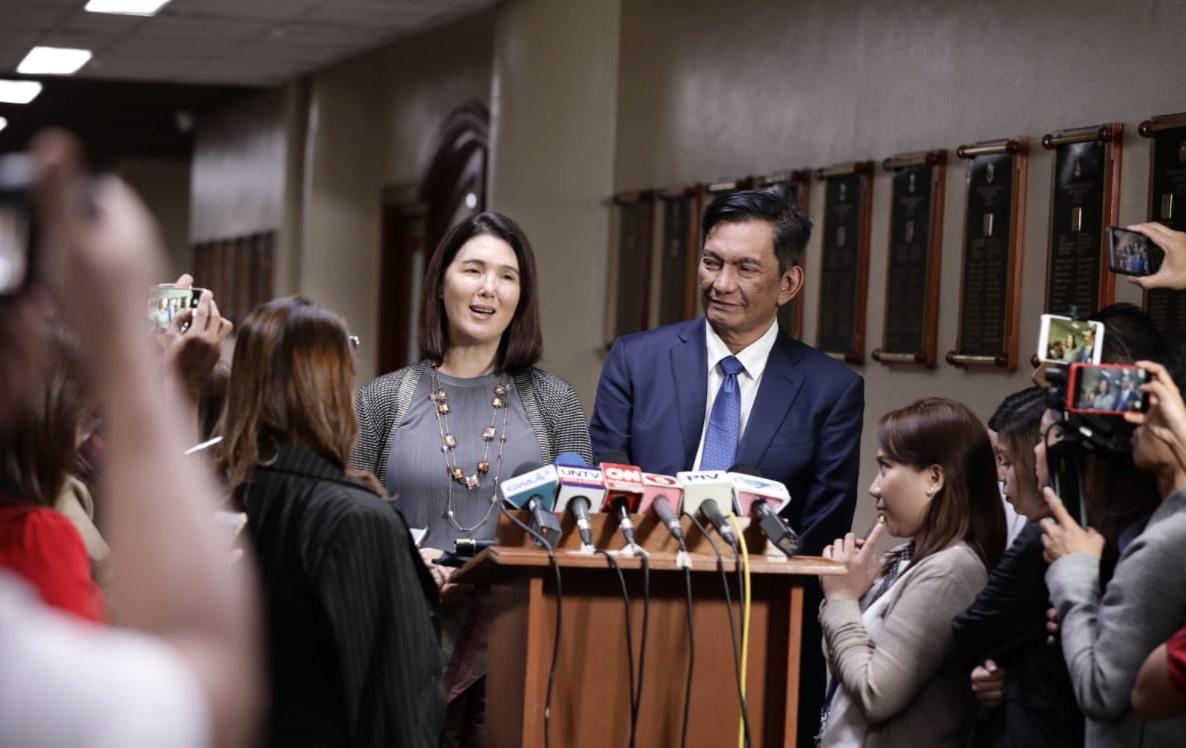
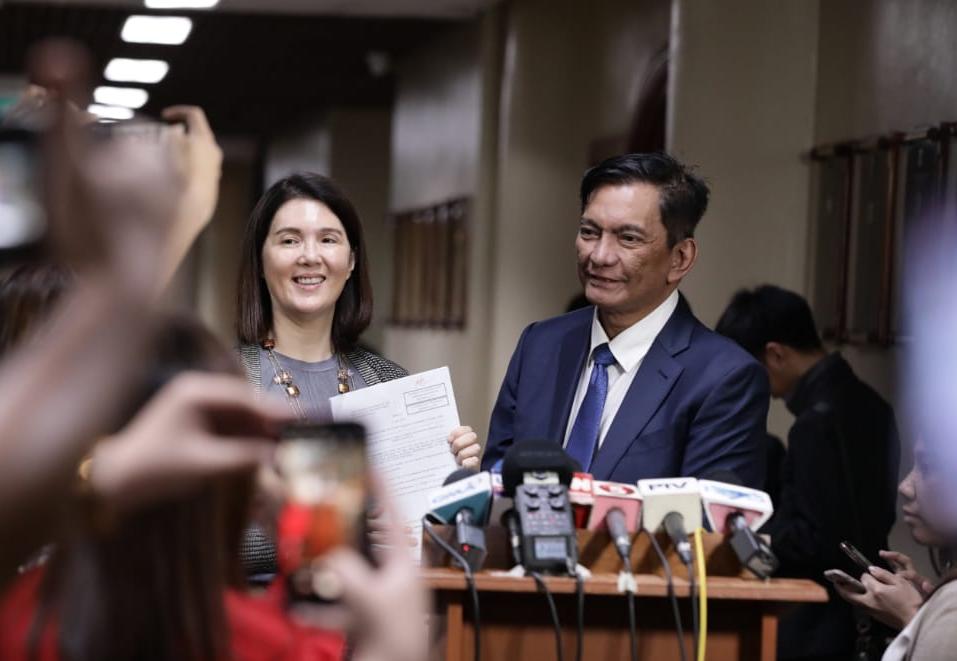
    Standing tall: Joint press conference by Senator Pia S. Cayetano and Albay Rep. Joey Salceda, Ways and Means chair of the Senate and House, respectively, to announce the bicam approval of the sin tax bill.

    Hands-on: Senator Pia Cayetano watches as Senate plenary pages facilitate the signing of the bicam committee report on the sin tax bill among the senators.

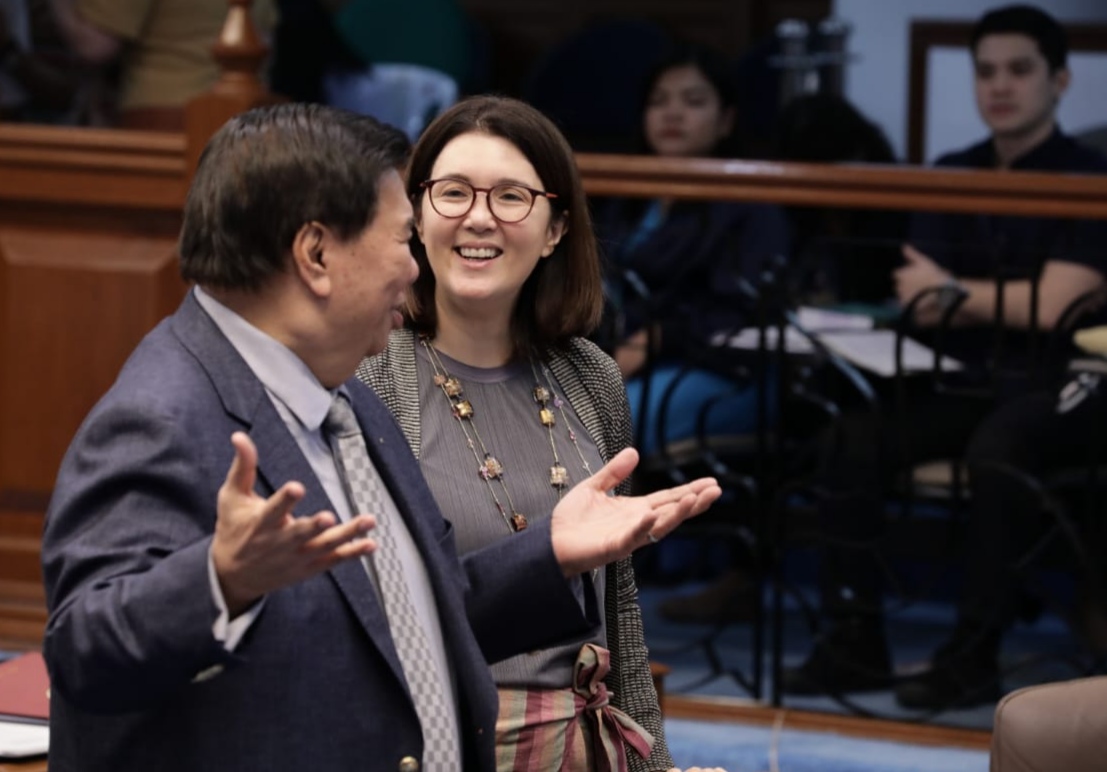
    Light moment with Senate Minority Leader Franklin Drilon. Both senators were instrumental in the passage of the 2012 Sin Tax Bill (RA 10351).

    Despite lower-than-desired rates, Senator Pia Cayetano believes that the 2019 sin tax measure would still go a ‘long way’ in protecting people’s heath and welfare.

  • Bicam approves Sin Tax Bill

    The Sin Tax Bill has moved a step forward towards becoming a law.

    Members of the joint panel of the Senate and the House of Representatives approved this afternoon the bicameral conference committee report reconciling the disagreeing provisions of the sin tax bill, which seeks to raise excise taxes on alcohol and e-cigarette products in the country beginning January 1, 2020.

    Senate Ways and Means Committee Chair Pia S. Cayetano, along with House Ways and Means Committee Chair and Albay Representative Jose Ma. Clemente S. Salceda, led the bicam discussions held in the Senate on Wednesday that lasted for more than four hours.

    Based on estimates of the Department of Finance (DoF), the approved bicam version will generate P22.2 billion in incremental revenues from alcohol and e-cigs during the first year of implementation. But due to an amended provision exempting specific prescription medicines from value added tax (VAT), revenues from the measure will decrease by P5.2 billion, for a total of P17.1 billion worth of net incremental revenues for 2020.

    Earmarking of revenues from higher sin taxes would be undertaken as follows: 60 percent will go to the Universal Health Care (UHC) program, 20 percent to the Health Facilities Enhancement Program (HFEP) of the Department of Health, and the remaining 20 percent to programs seeking to attain the country’s Sustainable Development Goals (SDGs).

    The tax rates approved by the bicam panel are the following:

    – Fermented Liquor (specific tax rate): P35 in 2020, P37 in 2021, P39 in 2022, P41 in 2023, and P43 in 2024, with a 6 percent indexation thereafter.

    – Distilled Spirits (specific tax rate with 22 percent ad valorem tax): P42 in 2020, P47 in 2021, P52 in 2022, P59 in 2023, and P66 in 2024, with a 6 percent indexation thereafter.

    – Sparkling and still wines (specific tax rate):  P50 in 2020, with a 6 percent indexation thereafter.

    – Heated Tobacco Products or HTPs (specific tax rate): P25 in 2020, P27.50 in 2021, P30 in 2022, and P32.50 in 2023, with a 5 percent indexation thereafter

    – Salt Nicotine (specific tax rate): P37 in 2020, P42 in 2021, P47 in 2022, P52 in 2023, with a 5 percent indexation thereafter

    – Free Base (specific tax rate): P45 in 2020, P50 in 2021, P55 in 2022, P60 in 2023, with a 5 percent indexation thereafter

    For her part, Cayetano admitted that she would have preferred the higher tax rates originally proposed under Senate Bill No. 1074. Nevertheless, the ways and means committee chair stressed that she respects the democratic deliberations that happened during the bicam, which paved the way for the bill’s approval.

    “As a health advocate… I have two roles: increasing the tax for purposes of UHC [and using taxation] as a deterrent to the consumption of a product that is not healthy… I had hoped [for higher tax rates], but that is how democracy works, that is how we work as a bicameral house, so the figures we have are what they are and they will still go a long way,” the senator said.

    “At the end of the day, I pushed [for this measure] until the very end. Pagkatapos nun, move on na. [We will] try to do a better job next time, [and] try to find additional sources,” she added.

    “I am the kind of person who really sets my standards high. I really wanted to find enough funding to continually support UHC and to use the price imposed on sin products, whether it’s alcohol, ecig, or HTP, as a deterrent,” she explained.

    “My next goal will be to really have advocacies and health campaigns to help people switch to healthier alternatives, because we don’t want young people, or even not so young [ones], to become addicted to a new bad habit,” she continued.

    Senate members of the bicam panel included Senators Imee Marcos, Ronald Dela Rosa, Francis Tolentino, Koko Pimentel, Minority Leader Franklin Drilon, and President Pro Tempore Ralph Recto.

    They were joined by their House counterparts, including Deputy Speakers LRay Villafuerte, Raneo Abu, and Deogracias Victor Savellano, and Representatives Estrellita Suansing, Jack Duavit, Sheena Tan, Sharon Garin, Teodorico Haresco Jr.,  and Jose Antonio Alvarado. #

    Senator Pia Cayetano and Albay Representative Joey Salceda, ways and means committee chairpersons of the Senate and House, respectively, hold a media briefing following the bicam approval of the Sin Tax Bill.

    Members of the bicameral conference committee of the Senate and the House of Representatives, following their approval of the final version of the sin tax bill on Wednesday (December 18).

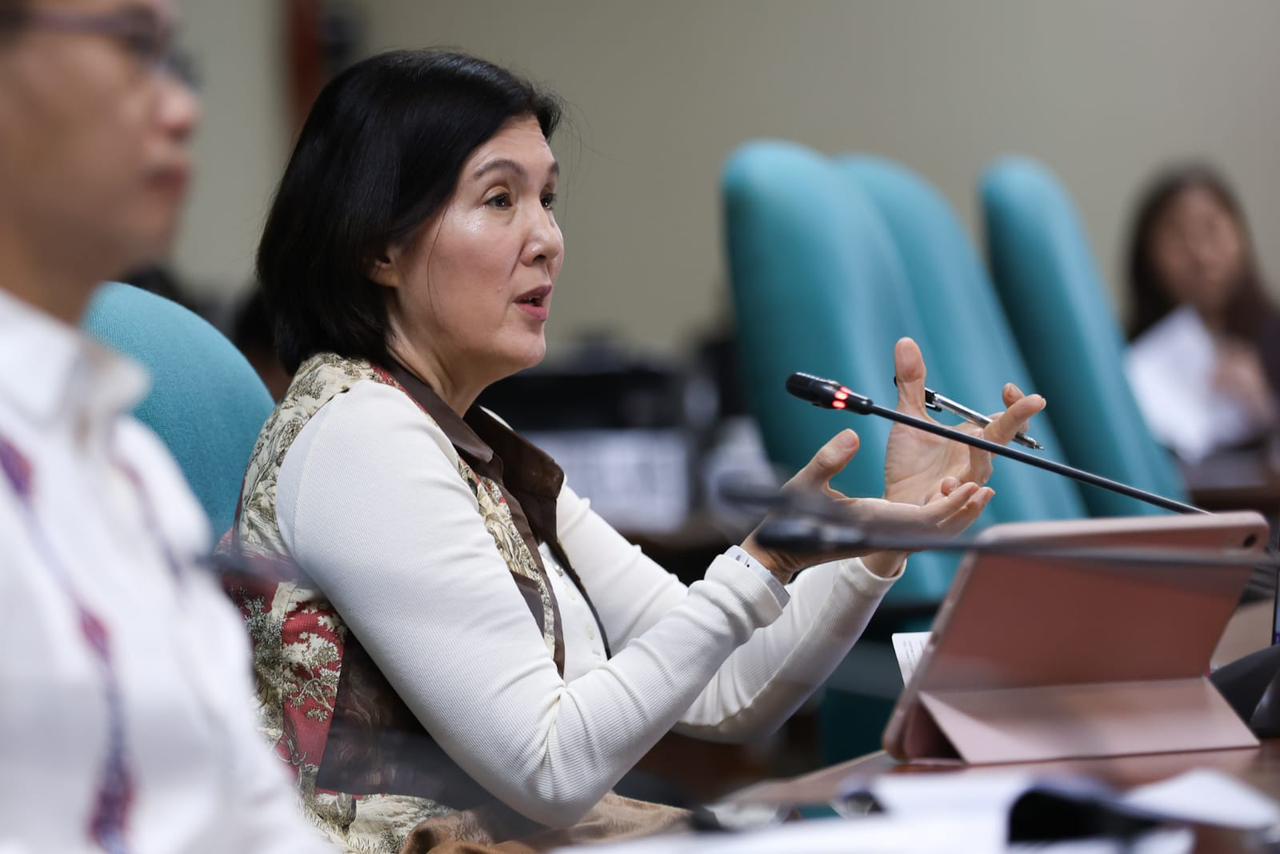
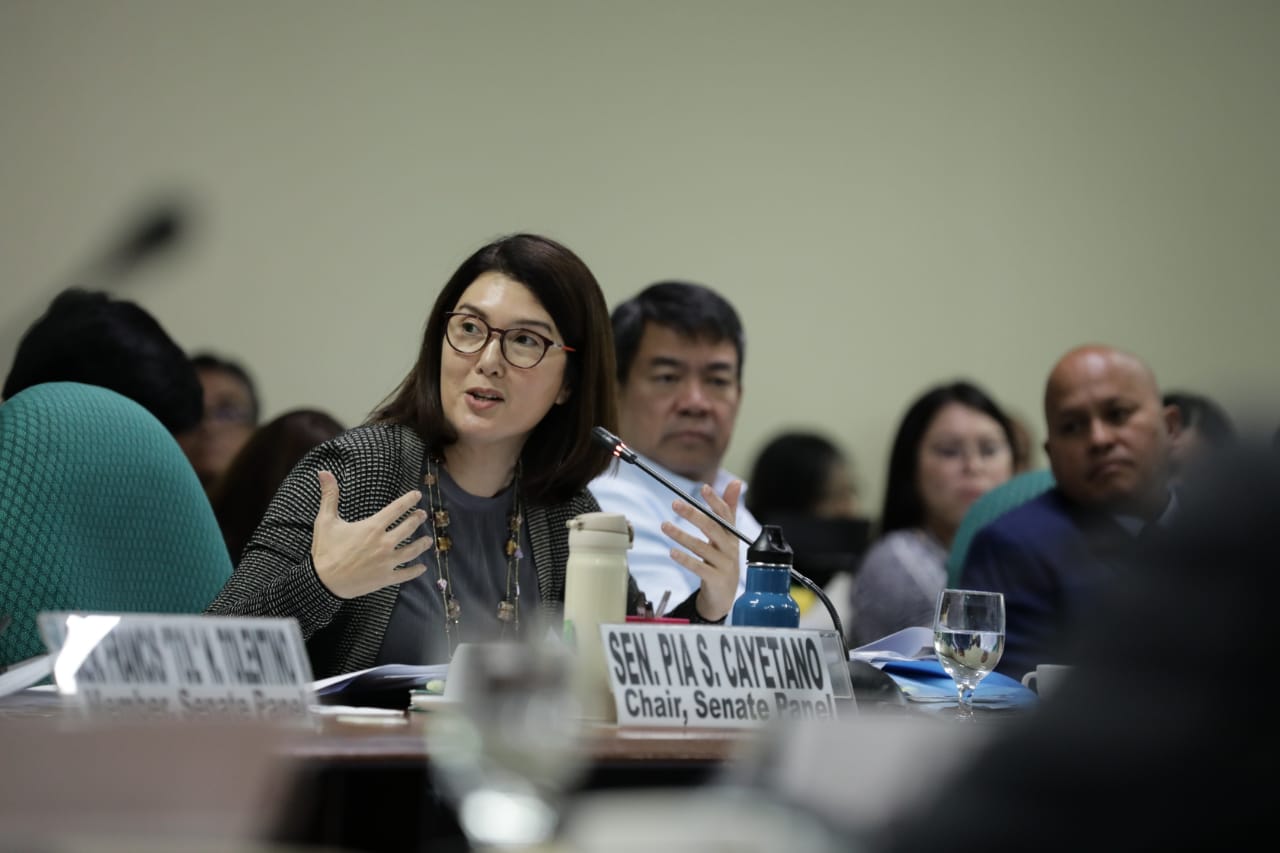
    Senate Ways and Means Chair Pia Cayetano stresses a point during the bicameral conference committee meeting on Wednesday to reconcile disagreeing provisions of the Sin Tax Bill.

  • Pia: My work continues to tax e-cigarettes for public health

    Transcript of interview with Senator Pia Cayetano on President Duterte’s directive to ‘ban’ e-cigarettes 

    Question (Q): What happens to the sin tax bill following the order of the President to ban vapes?


    Sen. Pia: The way I look at it is my work continues. Because our President has really just expressed – from my understanding – his disappointment and exasperation with the e-cig industry. And that’s why he made that statement na “i-ban na yan.”


    Because actually, all this time, he was waiting for all of us to do our job. And my job is to use taxation as a tool to protect the citizens, and of course, there’s also a fundraising measure as far as DOF is concerned.


    But we have to understand the background. The background is, DOH issued an Administrative Order regulating e-cigarettes. And they said it in my hearing, they said it in consultations na ayaw ng mga industry ang AO na yan. The industry players said that they were not happy with that AO.


    In fairness, there were also some industry players who said that they are happy to be regulated. Meanwhile, some of these people went ahead and filed cases to prevent FDA and DOH to regulate them. And these courts issued a TRO. So ngayon, we have products that are clearly harmful to the public [that are not being regulated]. We can debate and we can discuss it longer. But there is no doubt. I don’t know anyone in the business who will say safe na safe ito. There are health hazards there. And they are unregulated. Eh ‘di nabwisit si Presidente, so ang basa ko sa kanya, “Ah ganun ha? Ayaw niyo magpa-regulate, i-ban ko na lang kayo.”


    And that’s how I feel also. Ayaw niyo magpa-regulate? Eh ‘di lumabas na kayo sa bansang ito. We’re willing to, and that was the direction that I was going. Taxation to me is just a means, a tool to help make these products that are harmful less accessible to the vulnerable, especially the youth.


    Pero, meron din akong draft bill to regulate vaping and ecigs, etc. na ready rin akong isalang at i-defend as soon as mapasa ko na itong taxation portion. Kasi nauna lang naman yun because meron lang talaga tayong hinahabol na timeline.


    Q: How will the ban affect the revenue generation of DOF?


    Sen. Pia: Well, it’s very small compared to the overall collection. That is because e-cigs is still not widespread. It’s a new product. Bago lang yan. Ako nga hindi ko alam na may ganyang product until like a year ago na nakita kong may ganun.


    So it will not contribute greatly immediately. I remember, DOF had said at some point, kung walang mako-collect diyan, okay lang kasi DOF recognizes that health comes first.


    But I also understand that the President has also clarified his statement and I just have to push through with my part of the job. My job is to pass the taxation measure whether or not there’s an EO that comes out, if something comes out tomorrow, whether it’s a total ban or regulating, I have to be ready. Because this taxation measure has to be of a more or less permanent nature.


    Paano kung temporary lang ang ban, tapos walang taxation measure in place? So I have to have that in place. And just to clarify also, there is actually a taxation measure in place. This was the law that was already passed last June towards the end of the 17th Congress [Republic Act 11346]. So that will be the one that will come into effect in January if I don’t push through with this measure and there is no ban.


    So I have to push through in anticipation. I cannot assume na mato-total ban yan. I have to still do my job.


    Q: Legally speaking, is the EO powerful enough to stop the entry of vape products and use, etc.?


    Sen. Pia: You have to recognize, first of all, like I mentioned, again let’s go back.


    DOH issued an AO. DOH time and again, and FDA, has the power to protect the public from health risks. That is their inherent power. Kung lahat na lang ng risks, let’s say itong sa polio, aantayin nila ang legislature, mahirap yun. There are parts of the work of the Executive that require immediate action.


    So, DOH cannot always be waiting for the legislature to pass something. It is inherent in the Constitution, Article II Section 15 says that it is the State’s duty to protect the people’s health.


    So may powers and responsibility ang DOH diyan and that goes without saying ang DOH naman is just an arm of no less than the President. They are under the President, so the President will also act that way.


    But, I am not going to debate right now what is covered by the legislative powers and the executive powers. For me, you look at it on a case-to-case basis. Right now, the regulations that are supposed to protect the people from the harmful effects of e-cigarettes, vapes, heated tobacco products, otherwise known as HTPs, has been TRO’ed.


    Kung ako din ang Presidente, sasabihin ko sa kanila, “Ah ganun, ni-TRO niyo yung aking health arm? ‘Di sige, i-ban ko na lang kayo.”


    Q: Just to be clear, the bill you will push is just to regulate e-cigarettes or to institutionalize banning?


    Sen. Pia: Right now, on the floor is the taxation measure that you know. So as of now, as of the past few months, I was pursuing, I was going along the lines of the direction of the Executive, which is to highly regulate.


    The President and even DOF Secretary, DOH, have been very clear that there are harmful effects of ecigs. And I myself went to WHO and have confirmed this. Everything I heard in the hearings were confirmed during my trips abroad that we are dealing with a harmful product. So it must be regulated. And as I said, taxation is a means to regulate it for health purposes.


    Meanwhile, for the health side, there are bills – I looked at it, I am actually vice chair of the Committee on Health and as you all know, an advocate for health. There are pending bills but I intend to file a bill, which I believe is more comprehensive and is more reflective of the need to highly regulate a product that poses a health risk to the Filipinos.


    Wala pa ang bill na yun. It’s in the drafting stage. And if you recall, I’ve been busy as the chair of the Committee on Ways and Means, but my interest is always health. So my trip to WHO has given me more knowledge.


    Actually, during the budget, I was reviewing that bill on the side. I’d say it’s about 90% complete. I just really wanted a few more revisions. But I’ll be ready to file that anytime.


    Q: The filing will come after the taxation measure passes?


    Sen. Pia: Hindi naman. If may time naman ako to finalize that bill, I will file it. And that bill, as I said in answer to your question, is going along the direction of highly regulating.


    Si Senator Tolentino, whom I worked very closely with – he was in WHO – is for a total ban. Kasi for me, it’s a thin line. Ang aming understanding of the health risk is exactly the same. It’s more of the appreciation of what would work better in our country, a total ban or highly regulating [these products]?


    Part of me wants total ban. But the other part of me is okay with highly regulating. And this is where I want to share this conundrum that I face, because here you have industry players saying, “I-regulate niyo kami, mas gusto naming ma-regulate para ma-weed out natin ang mga fly-by-night diyan and those that might produce products that don’t comply with the safety standard.”


    But meanwhile, ni-TRO naman nila ang pagre-regulate ng FDA and DOH. ‘Di ngayon, unregulated. Paano ba yun?


    Q: Can you be more specific, ano ang ibig sabihin ng “to highly regulate”?


    Sen. Pia: What I mean by saying ‘highly regulate’ is, it can be sold but there are many -not just guidelines, but there are many dos and don’ts. And those dos and don’ts, I will enumerate.


    But offhand, you cannot sell to the youth and, in this case, I have expanded it to young people. Because ang brain, there is evidence that shows that the brain continues to develop until 25 years old. So at the age of 19, hindi ka na [minor], pero ang brain mo and decision-making skills mo are still very susceptible to persuasion, to advertisement and all that. So, that’s one way of regulating – that you ban the youth and even young people.


    Advertising, you highly regulate that. You either totally ban or you only allow it in limited spaces. So that’s what I mean, maybe we can have a separate discussion on that. But I am giving you a glimpse of what I mean by highly regulate. And even the places where you will sell.


    I’d love to give you this example. In the United Kingdom, where they actually allow e-cigs to be sold freely, the reason for that is because their cigarettes are highly regulated. You cannot enter a store and see cigarettes anywhere. So nag-drop na ang consumption ng youth nila.


    So now, with the e-cig business, it appears that their youth is not vulnerable to it the way the youth in the US is. Because there are no cigarettes around. You can’t enter a store and find it. In fact, I wanted to make a point of buying, I kept forgetting because every time I enter a convenience store, you won’t see it.


    So ang cigarette industry nila – I’m referring to cigarette industry – is highly regulated. And this allowed them to now look at what e-cigs can do for them. They are not allowing it na walang regulation, ha? Kasi for them, it is still a harmful product. Pero medyo liberal sila in allowing it as an alternative to cigarettes.


    Q: So the direction towards eventually banning the selling of e-cigs in convenience stores will be part of the bill?


    Sen. Pia: If you ask me, it should be included in the debates, because it’s a harmful products. And all across the world, connected pa rin kasi yan sa cigarettes. So, cigarettes in other parts of the world, very regulated na ang kanilang pagbebenta.


    So si e-cigs, saan pumapasok diyan? Eh parang tayo, nafa-fast forward. Hindi pa nga natin totally nare-regulate ang cigarettes, nandito na si e-cigs.


    So gusto ni e-cigs, “Huwag niyo naman kami masyadong i-regulate, ang cigarettes nga hindi niyo nire-regulate.” That’s not an excuse, eh ‘di i-regulate kayo pareho ng mas matindi. Dapat naman talaga ma-regulate silang pare-pareho.


    Q: Does the order to ban e-cigs have an effect on the President’s directive to certify the sin tax bill as urgent?


    Sen. Pia: No. I don’t believe so, because like I mentioned, the President is very vocal about his concerns, ang ideas niya, he will really just say it. So my understanding is, just like me, when he says, “I-ban na lang yan,” it’s because of the facts that he’s faced with. It’s because of the annoying reality that these people don’t want to be regulated and then there are courts that actually felt that the business interest of these vaping companies are more important than the welfare and health of the Filipinos.


    It boggles my mind. At si Presidente din, takang taka kung bakit ganyan sila magdesisyon. ni-TRO nila ang Department of Health and FDA.


    Q: Will the sin tax bill be approved before the year ends?


    Sen. Pia: I hope so. I have been having more detailed discussions with my colleagues. And I have expressed the request of DOF that we expedite this. So napapag-usapan na yan. And I have requested na magkaroon ng caucus right after the budget and that we prioritize the debates. Kasi ready naman ako.


    Q: Does the caucus have a schedule already?


    Sen. Pia: Sinabi ko naman kay SP [Senate President Vicente Sottto III] na gusto ko sana mag-caucus right after. Syempre, ayaw ko naman makagulo dahil hilong hilo na kaming lahat sa long hours ng budget. But hopefully. Kasi period of amendments na lang naman kami. So kung masisingit ko yun during one afternoon, para ma-explain ko na and ma-discuss din itong effects ng ban, baka iba-iba din ang ideas nila.


    Ako, I want to say that tuloy natin ito. Kasi it’s just a question of rates. I don’t think anyone is not for taxing these sin products, it’s just a question of rates. So I wanna just sit down and discuss with them, “Saan tayo ngayon?” kasi ako, I stand by the rates that I propose.


    Thank you! #
  • To tax or ban e-cigarettes? Pia to wait for President’s EO banning e-cigs

    Reaction to President Duterte’s directive to ban e-cigarettes
    By Senator Pia S. Cayetano  
    Chairperson, Senate Committee on Ways and Means
    .
    Over the months,  I’ve read numerous studies and reports on e-cigarettes, conducted hearings, had discussions with health advocates, including experts in WHO, and listened  to the industry  and the speakers they arranged for me to meet. All of these led me to conclude that:


    – We are dealing with products that clearly  have health risks despite industry and their supporters saying the risks are less than smoking and that they are an effective device to help smokers quit;

    – These health risks are still being documented and studied;

    – Some of these products have caused deaths and severe illnesses in various forms.

    What this means is that we must really assess if this is a product that should be outright banned, as has been already done in some countries like Australia, Singapore, Brazil, etc., or strictly regulated, which was the direction I was taking as Chairperson of the Senate Ways and Means Committee.

    Meanwhile, the President’s recent pronouncement to ban e-cigarettes is an assertion of the authority of the State to restrict the use of any consumer product that endangers public health. I agree that when the people’s health is at risk, public interest must always take precedence over any business or commercial interest.

    As a backgrounder, it is important to note that the e-cigarette industry was previously given the opportunity to work and thresh out issues with the government. The Department of Health (DOH) issued Administrative Order (AO) 2019-0007 last August precisely to lay down regulations for e-cigarette products. Unfortunately,  members of the industry chose to question the AO in court instead of welcoming government regulation.

    In the meantime, the very first case of electronic cigarette- or vaping-associated lung injury (EVALI) was reported in the country last weekend, involving a 16-year-old girl.

    No issue can be resolved if members of the industry would insist on shunning any form of regulation by constantly suing the DOH and Food and Drugs Administration (FDA)! With this attitude,a  ban is really in order.

    I await the EO from the President. Until then, these products that everyone, even those in the industry, recognize as harmful are in the market, and should be taxed. And it is still my job to see this bill through.#

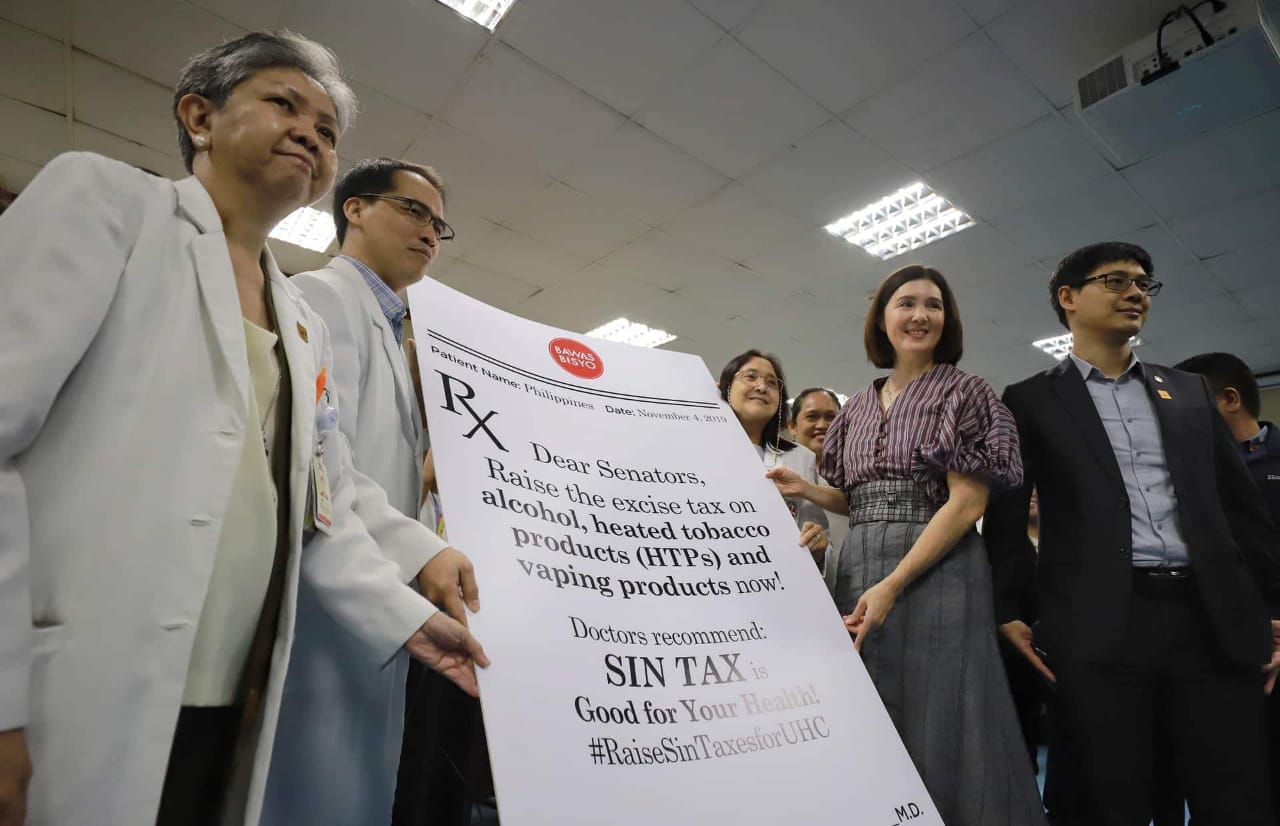
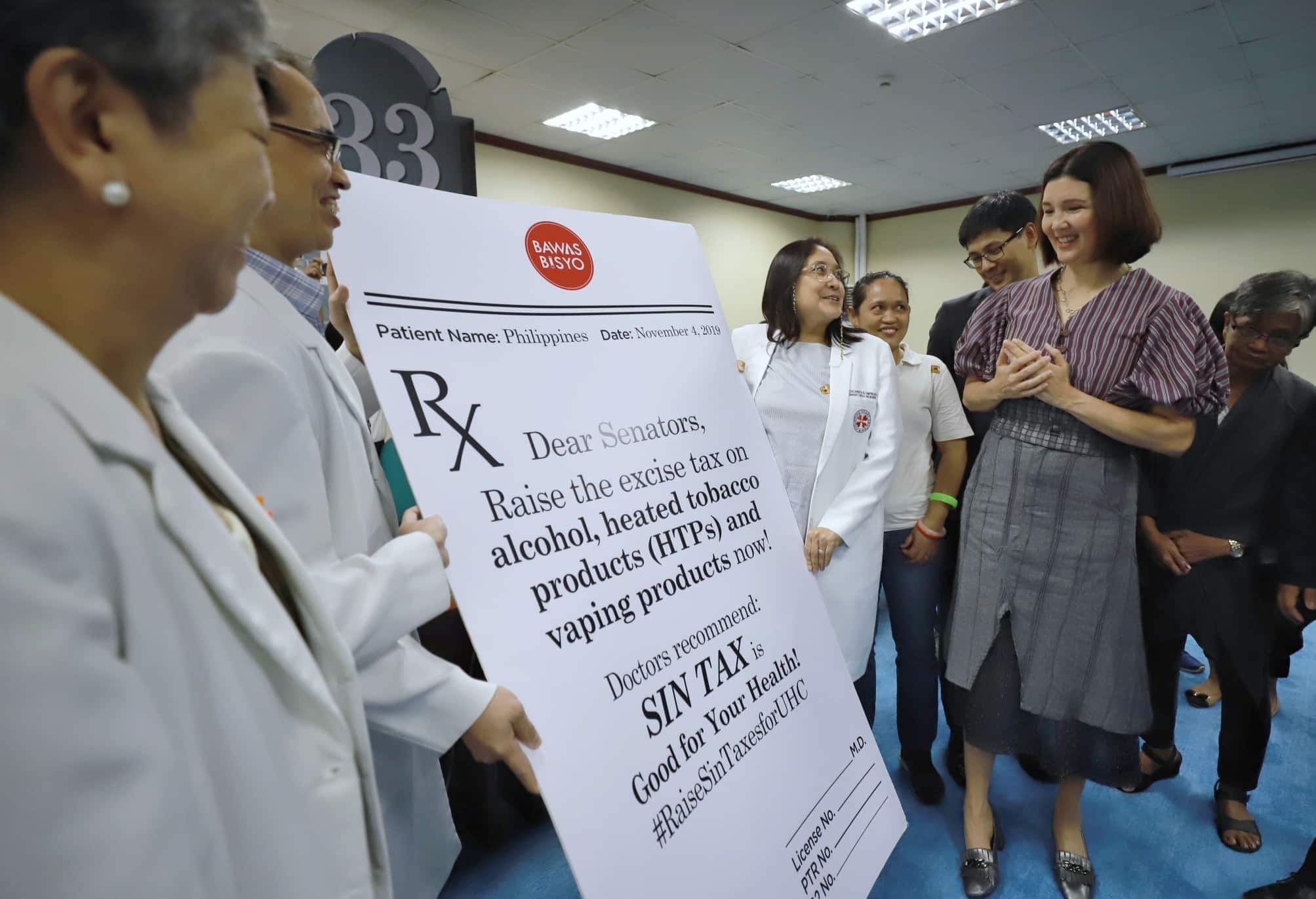
    Senate Ways & Means Chair Pia Cayetano holds a giant prescription with health experts during the Sin Tax Coalition’s press conference in the Senate. The coalition had called on other senators to pass the bill seeking to raise taxes on e-cigarettes & alcohol. (Photo: Senate PRIB)

  • Pia gears up for daily debates on Sin Tax

    “Sin tax reform is not just about numbers. It’s really about changing lives. And the work that we do will pave the way for a safer future for our children.”

    Thus said Senate Ways and Means Committee Chair Pia S. Cayetano, as she prepares to defend her proposed tax rates under Senate Bill (SB) No. 1074, which seeks to raise excise taxes on alcoholic beverages and electronic cigarettes, including heated tobacco products and vapes.

    The Senate is set to resume floor debates on the tax reform measure on Tuesday (November 5).

    “I am ready and I will make myself available every day in my effort to get this bill approved as soon as possible,” according to Cayetano.

    “I would really like to address the concerns of my colleagues about sin tax. We hope to put on record a very interesting discussion,” she added.

    The senator said she is prepared to present all the data to back her proposed tax rate hikes under SB 1074. “I understand that those from the industries and even some of our colleagues find the rates that we are proposing on a high end, but we stand by those rates.”

    Cayetano said the chances of the tax reform measure being approved in the Senate this year are high. She clarified, however, that fellow senators would be given sufficient time to raise their concerns during the plenary debates.

    “As long as there is enough time for my fellow senators to prepare their questions, it’s a reasonable expectation [that the bill will get approved]. We really give each other enough time to ask those questions. So I am making myself available in the next few months for interpellation.”

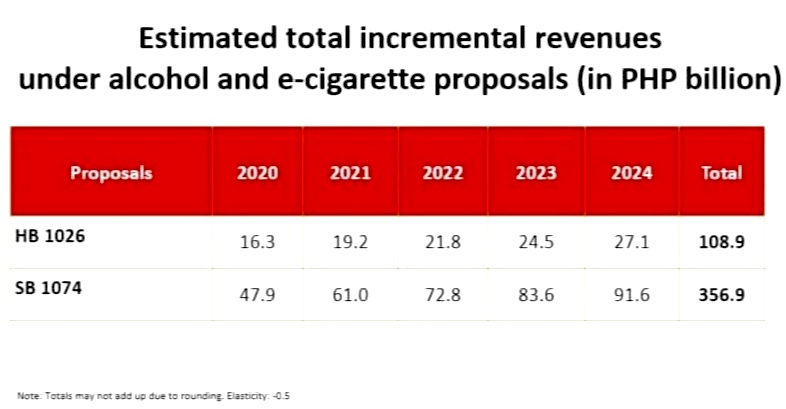
    The Department of Finance (DOF) has estimated that SB 1074 would generate P47.9 billion for the Universal Health Care (UHC) program next year, and a total of P356.9 billion for the program over the next five years.

    The senator particularly stressed the need to increase the country’s tax rates on alcohol, citing that the Philippines has among the lowest prices of beers, hard liquors, and wines in the ASEAN region.

    “Ang baba ng presyo ng ating mga alak kumpara sa ibang bansa sa ASEAN. Kaya talagang panahon na po na taasan natin ito,” she stressed.

    The Philippines has the third lowest price of a 330-ml beer in the entire region, next to Vietnam and Cambodia. It also has the second lowest prices of a 700-ml bottle of gin and a 750-ml bottle of wine in ASEAN, next to Vietnam and Brunei, respectively.

    “If we want to make taxation an integral part of our comprehensive [health] package, then it should be a meaningful kind of taxation. I will never be comfortable with proposing a measure just for the sake of it,” Cayetano asserted.

    Meanwhile, the senator acknowledged growing public support for higher sin tax rates.

    At the resumption of session on Monday (November 4), doctors, youth and civil society groups held a mobilization and press conference in the Senate to express support for Cayetano and urge other senators to approve SB 1074.

    “I feel it’s very important that you continue your advocacy on the ground. We will do our part, but in the community level, your work is truly vital. We’re very happy that there are young people who are also taking the initiative to support our proposal,” Cayetano told the coalition members.

    She said the ultimate goal of Sin Tax is to reduce deaths, sickness, and other hazards caused by excessive drinking, as well as to address social problems linked to alcoholism like domestic violence, crimes against women, and road accidents resulting from drunk driving.

    Moreover, she said the measure seeks to protect Filipinos, especially the youth, from the dangers of vaping. #

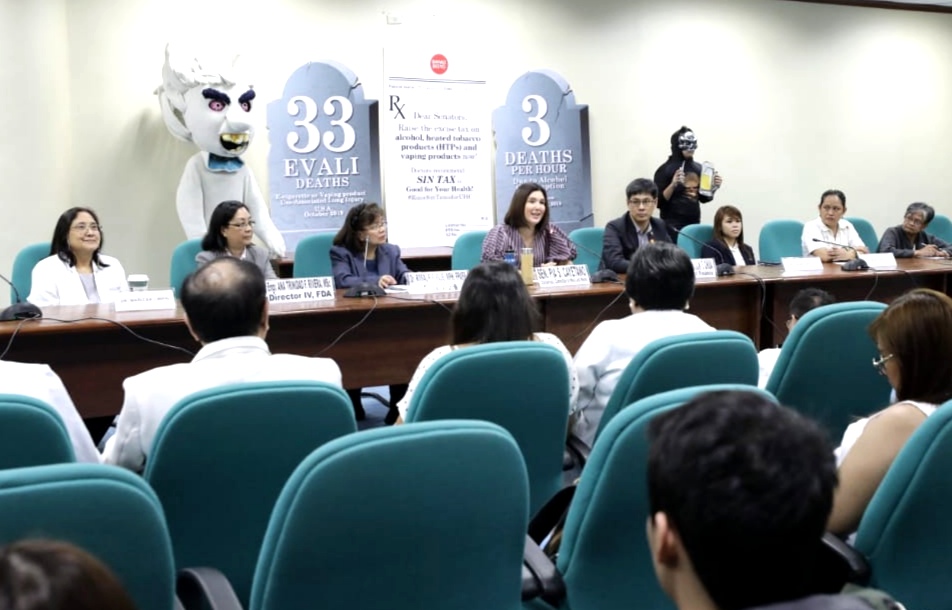
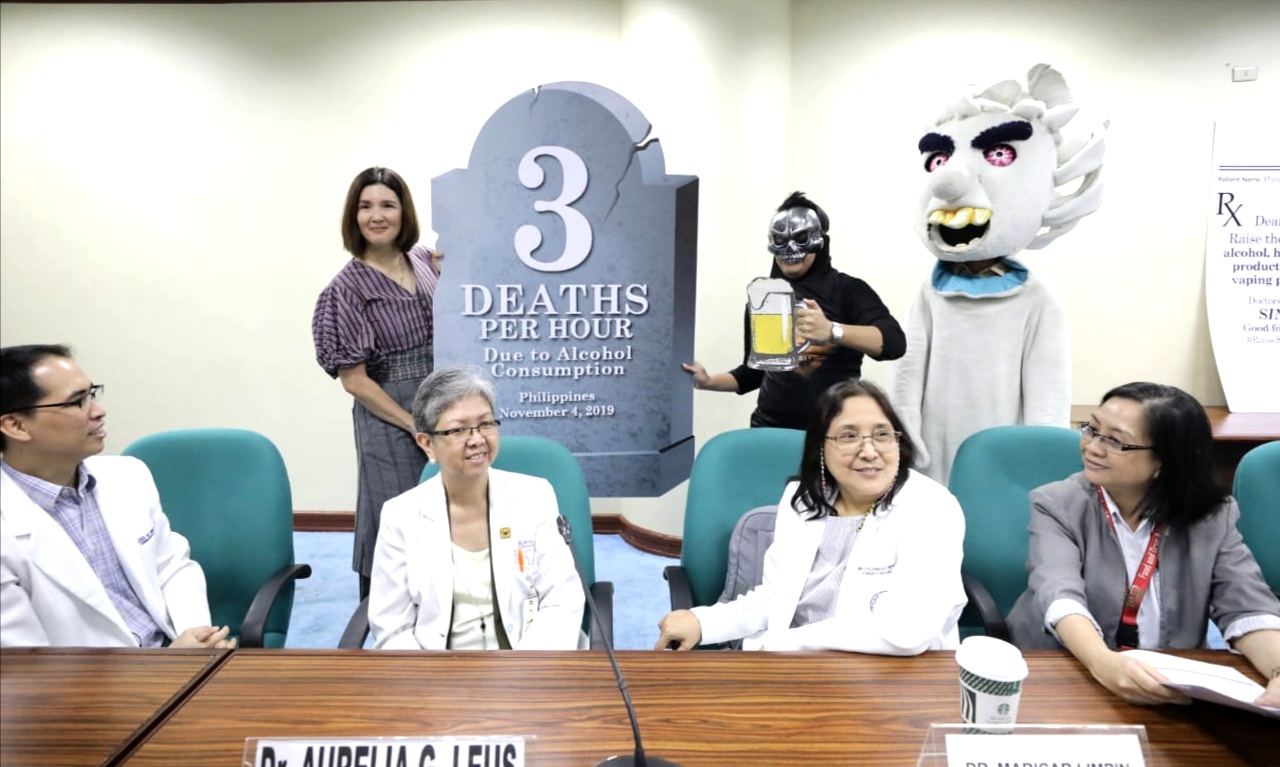
    Senator Pia Cayetano gives updates on SB 1074 before members of the Sin Tax Coalition at a press conference held in the Senate.

  • More than revenues, Sin Tax is about changing lives – Pia

    *Statement of Senate Ways and Means Chair Pia Cayetano at the Sin Tax Coalition press conference (November 4, 2019). 

    Good afternoon, everyone. I am happy to see all of you, and I am very grateful for everyone’s support.

    The job of seeing through, shepherding the sin tax is an exciting journey. It’s actually more exciting than I expected. And that’s because of all the support that many of you have shown.

    I always visualize it as like a numbers job. But actually, from the day I started, because of the passion and commitment that I’ve seen in so many of you, from the Department of Finance, Department of Health, the advocates, and all the supporters, it’s really not about numbers. It’s really about lives, it’s about personal stories, it’s about changing lives. And the work that we do will really pave the way for a safer future for our children.

    During the last few weeks, we had no session. So I took the opportunity to visit the experts in WHO in Geneva, I also spoke to the Ministry of Health in Denmark, the Ministry of Health in the UK, and I also met with the Public Health England Group, who were actually proponents of e-cigs.

    So I’d like to believe that from knowing nothing about e-cigarettes, little by little, I am gaining more knowledge. I don’t believe anyone is born an expert, but over a period of time, we can all develop this kind of expertise and so, I will never claim to be able to handle this on my own, but at least I’d be able to contribute to the discussions among the experts. So I’d be happy to share my knowledge in the days to come.

    Suffice it to say, the team of experts that we have in the Philippines provided me with all the information that I needed. I cannot really say I have learned anything new and earthshaking. It simply reinforced the information that I already had. And it’s good to know because I believe that my job is always to keep an open mind. If 10 years from now, it turns out a product that started as an e-cigarette mutated into something that is very safe, that has no detrimental effect, or addictive effect, I believe I should have an open mind in exploring what that product will be in the future.

    So I continue to sit at this job with that kind of an open mind, but with the commitment that number one, this is a joint effort between the Department of Finance and Department of Health. And I am conscious of the need to balance the effects of taxation and our interest as healthcare advocates.

    I always take the opportunity to say that I have no degree or training in health care. My training or background is [I’m] a graduate of economics and law. But on that note, I’ve spent more than 10 years of my life working with doctors and health professionals with my own advocacy on health care. So, I used that background when I entered this Committee on Ways and Means and continue to find that sweet spot, that balance.

    I understand that those from the industries and even some of our colleagues find the rates that we are proposing on a high end, but we stand by those rates. And I am very happy that the Secretary of Finance has supported the rates that I came up with along with the team headed by Usec. Karl Chua.

    I stand by this because I tend to always look at what’s happening around us globally. And I will never compare… I’d like to be as reasonable as possible. And I am always mindful that we cannot do what certain developed countries are doing. So when I compare, I look at neighboring countries, and I look at the region, and I see that despite the rates that we were looking at, which was already an increase, we still have one of the lowest taxation rates in the region.

    Then I said, it’s our moral duty to make taxation an integral part of this comprehensive package. Because otherwise, sorry to put it this way, but parang naglolokohan lang tayo. If we want taxation to be part of a comprehensive package, then it should be a meaningful kind of taxation. Not the kind of taxation na, “sige na para lang masabing meron.”

    I’ve never worked that way and will never be comfortable proposing a measure just for the sake of it. So at the start of session, I am starting it excited and I would really like to address the concerns of my colleagues. I have been talking to them on the side during session, during the breaks. I am looking forward to them putting on record their concerns about sin tax and addressing it. I think today, we’re going to start with Senator [Francis] Tolentino. He actually was with me in our WHO conference, so we hope to put on record a very exciting discussion.

    So again, thank you very much to everyone. #

    Pass Sin Tax for people’s health: Doctors supporting higher excise taxes on alcohol and e-cigarettes present a giant prescription calling for the passage of the Sin Tax bill to Senate Ways and Means Chair Pia S. Cayetano. Proceeds from the measure will augment funding for the government’s Universal Health Care program. (Senate PRIB / Joseph Vidal)

    Senate Ways and Means Chair Pia Cayetano holds up a ‘tomb stone’ showing the health hazards of alcohol consumption at the Sin Tax Coalition press conference held at the Senate on Monday.