Official Website of Philippine Senator Pia Cayetano

Tag: DOH

  • NEWS RELEASE: Zero-Balance Billing only possible with fully funded PhilHealth — Cayetano

    NEWS RELEASE: Zero-Balance Billing only possible with fully funded PhilHealth — Cayetano

    Senator Pia S. Cayetano stressed that the highly-publicized Zero-Balance Billing (ZBB) policy might just work as intended should the billions in legally earmarked PhilHealth funds be properly allocated to the agency.

    “If PhilHealth were given every peso intended for it, the promise of Zero-Balance Billing would not be limited to a few hospitals. It could be a real, functioning guarantee for every Filipino patient,” Cayetano said.

    Her statement follows the Supreme Court’s ruling on the illegal transfer of P60 billion in PhilHealth funds to the National Treasury in 2024. Explaining her reservations during the third reading of the 2026 GAA, Cayetano said, “This is not a matter of an unfunded law. This is earmarked. So saan napunta yun? What is clear is that the Sin Tax Reform Act of 2019 (RA 11346) earmarks the proceeds of the sin tax for Philhealth. If this is not delivered to Philhealth, I do not want this body to be complicit in this act.”

    The Senator said that while the Supreme Court’s ruling is a welcome correction, it also highlights a deeper problem: even with the ruling, much remains to be fixed both in the budget and in the way the budget is put together.

    During the 2026 budget deliberations, she presented the deficits in sin tax allocations earmarked for PhilHealth from 2023 to 2026, amounting to ₱129.96 billion:

    • 2023: ₱83.9B was earmarked, only ₱79B appeared in the GAA (₱4.9B deficit)
    • 2024: ₱79.01B was earmarked, only ₱40.28B made it to the GAA (₱38.73B deficit)
    • 2025: ₱69.81B was earmarked, but the bicameral conference committee removed the allocation entirely (₱69.81B deficit)
    • 2026: ₱69.78B is earmarked, but only ₱53.26B is in the NEP (₱16.52B potential deficit)

    Cayetano also pointed out that ₱106.95 billion in PCSO and PAGCOR revenues were legally intended for PhilHealth between 2019 and 2025, on top of the ₱60 billion covered by the Supreme Court ruling. “These gaps are not technicalities,” she said. “They are the reason ZBB has not become fully operational.”

    PhilHealth has estimated that it needs at least ₱147 billion more to subsidize indirect contributors and achieve ZBB coverage across DOH hospitals, specialty institutions, and LGU facilities.

    “We cannot celebrate the Supreme Court ruling and then continue underfunding PhilHealth in the very same budget cycle,” she said. “If we want Zero-Balance Billing to work, we must restore every peso legally intended for the health of our people — and fix the process that keeps taking those pesos away.”
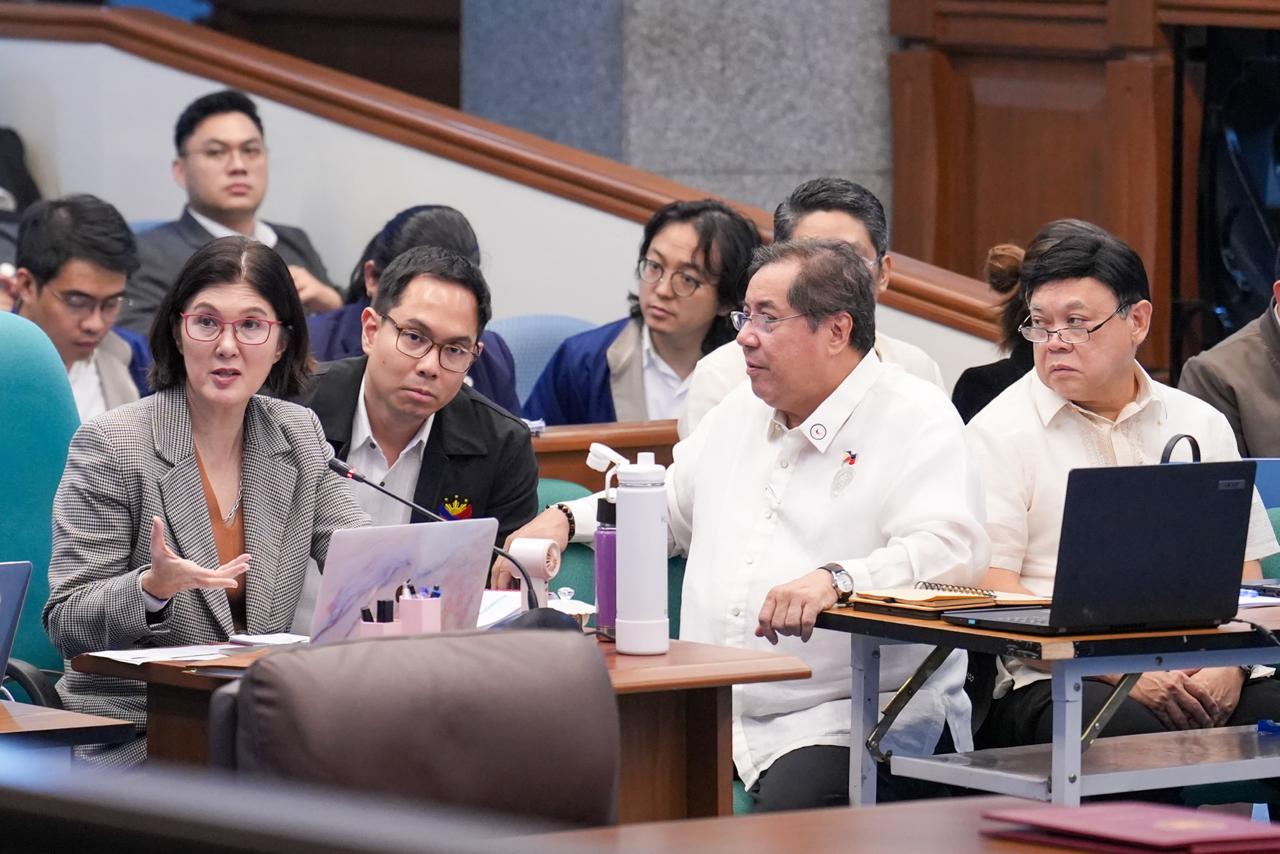
  • PHOTO: Senate passes proposed 2026 DOH Budget

    PHOTO: Senate passes proposed 2026 DOH Budget

    The Senate has approved the proposed 2026 budget of the Department of Health (DOH), adopting key amendments endorsed by Senator Pia Cayetano in her capacity as sponsor and Senior Vice Chair of the Finance Committee. The Senator stressed that these adjustments are intended to further strengthen the health system, improve access for indigent patients, and ensure that critical programs receive the targeted support they need.

    Under these amendments, additional funding will reinforce and expand the Zero-Balance Billing Program in DOH and regional hospitals, including a pilot rollout in selected local government hospitals as determined by the department. The budget also provides for the direct allocation of medical assistance funds to major government specialty hospitals such as the Philippine Heart Center, National Kidney and Transplant Institute, Lung Center of the Philippines, and Philippine Children’s Medical Center. Further support was granted to the Research Institute for Tropical Medicine and the Philippine Institute of Traditional and Alternative Health, ensuring that essential institutions remain equipped to deliver life-saving care to Filipino families.

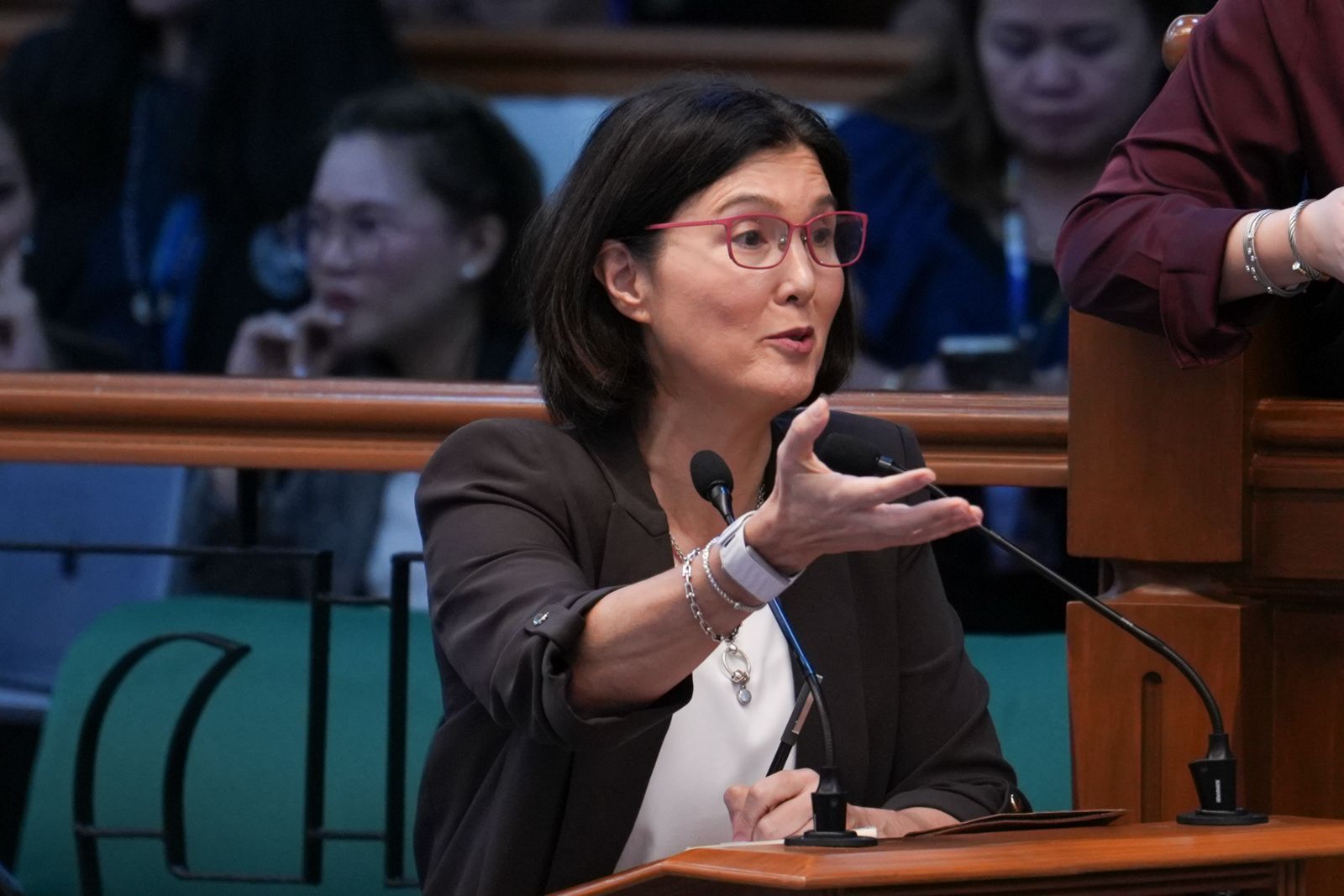
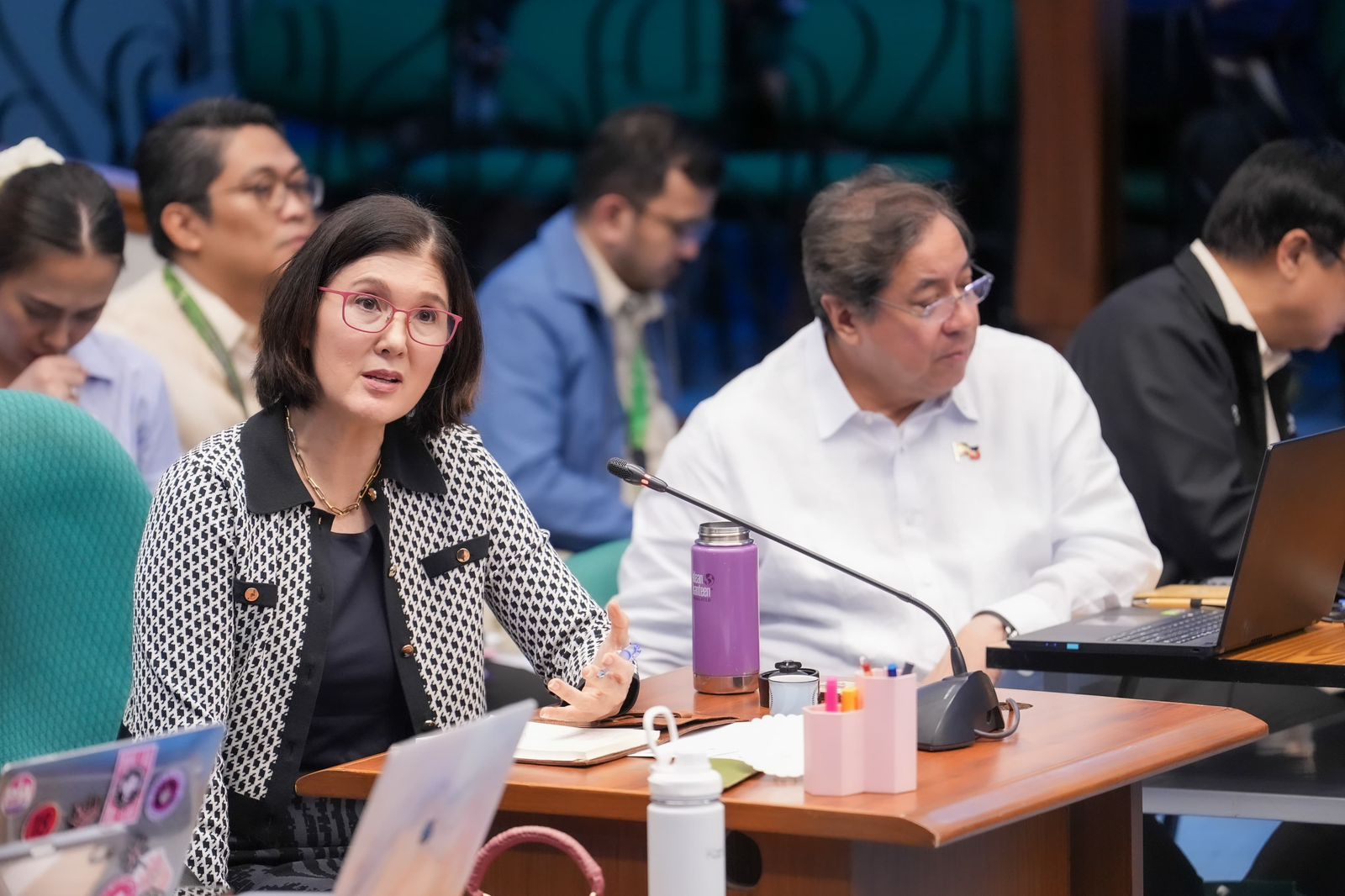
  • PHOTO: Senator Pia Cayetano continues her sponsorship of the 2026 DOH Budget

    PHOTO: Senator Pia Cayetano continues her sponsorship of the 2026 DOH Budget

    November 26 — Senator Pia Cayetano, Senior Vice Chair of Finance, resumed her sponsorship of the proposed 2026 budget of the Department of Health in continuation of last week’s deliberations.

    Responding to the Senate President’s questions, Cayetano cited her recommendation for additional funding to support indigent patients, covering health packages for complex conditions such as cancer, as well as brain, lung, gastrointestinal, dental and kidney diseases.

    Instead of increasing the agency’s MAIFIP funding, she noted that her proposal channels funds directly to the public hospitals – with each specialty hospital receiving P1 billion – to better serve patients in need.

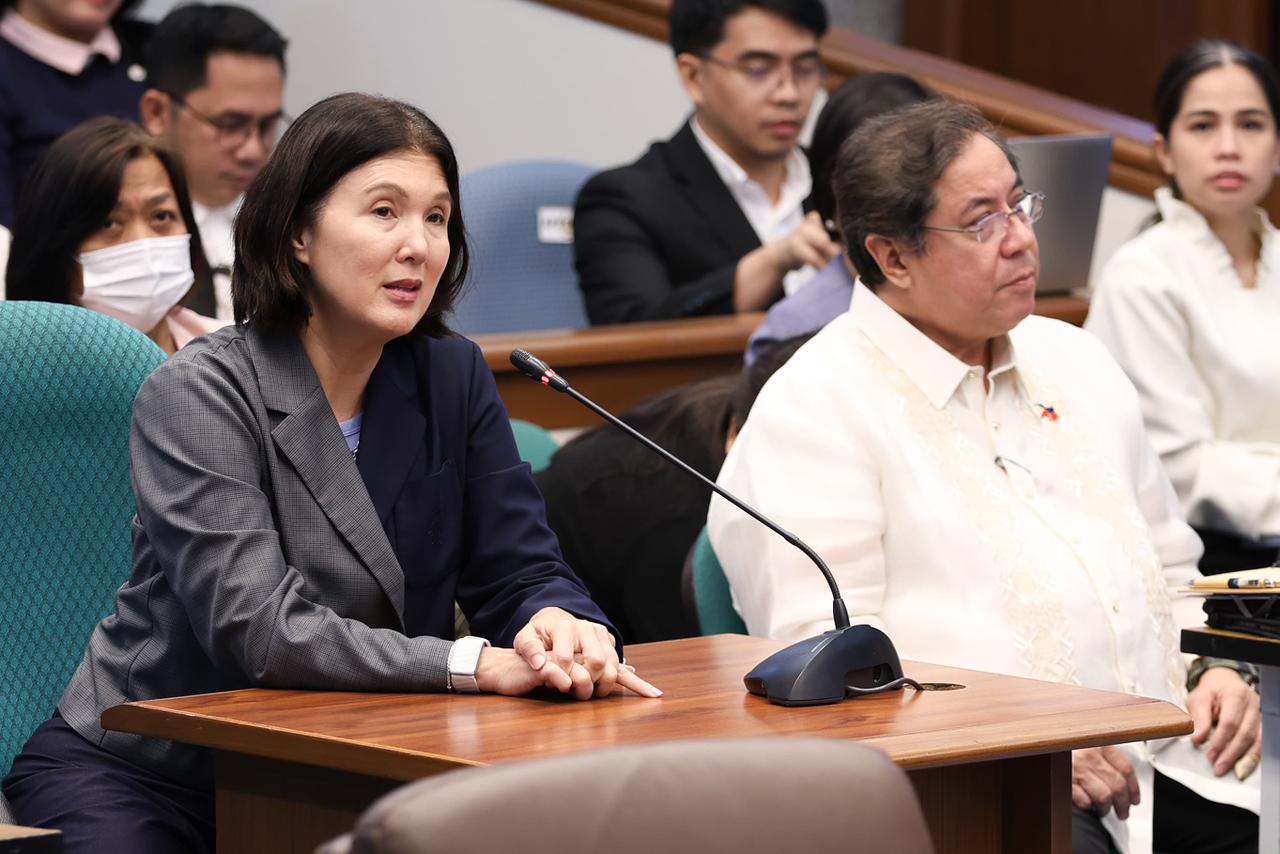
  • Senator Pia sponsors 2026 DOH budget

    Senator Pia sponsors 2026 DOH budget


    “Good health is the foundation of sustainable development. By investing in our people’s health today, we are upholding our commitment to universal healthcare and ensuring intergenerational fairness for all Filipinos.

    On Monday, Senator Pia S. Cayetano, Senior Vice Chairperson of the Senate Committee on Finance, sponsored the proposed 2026 budgets of the Department of Health and its attached agencies and corporations, including the Philippine Health Insurance Corporation.

    Among her key funding recommendations were the expansion of the Zero-Balance Billing (ZBB) Progam in DOH and regional hospitals, support for its pilot implementation in select LGU hospitals, and the direct allocation of the Medical Assistance to Indigent and Financially Incapacitated Patients (MAIFIP) to government hospitals. She also called for continued support for the Research Institute for Tropical Medicine (RITM) and other specialty hospitals.

    As Chairperson of the Committee on Sustainable Development Goals, Innovation, and Futures Thinking, Sen. Cayetano reviewed the health budget through the lens of SDG 3 (Good Health & Wellbeing), ensuring that investments advance universal healthcare, preventive care, healthy lifestyles, and equitable access to services.

    Building on these priorities, she reiterated that sin tax revenues must be fully allocated to health as mandated by law, emphasizing that these funds are essential for strengthening healthcare and expanding access to services for all Filipinos.