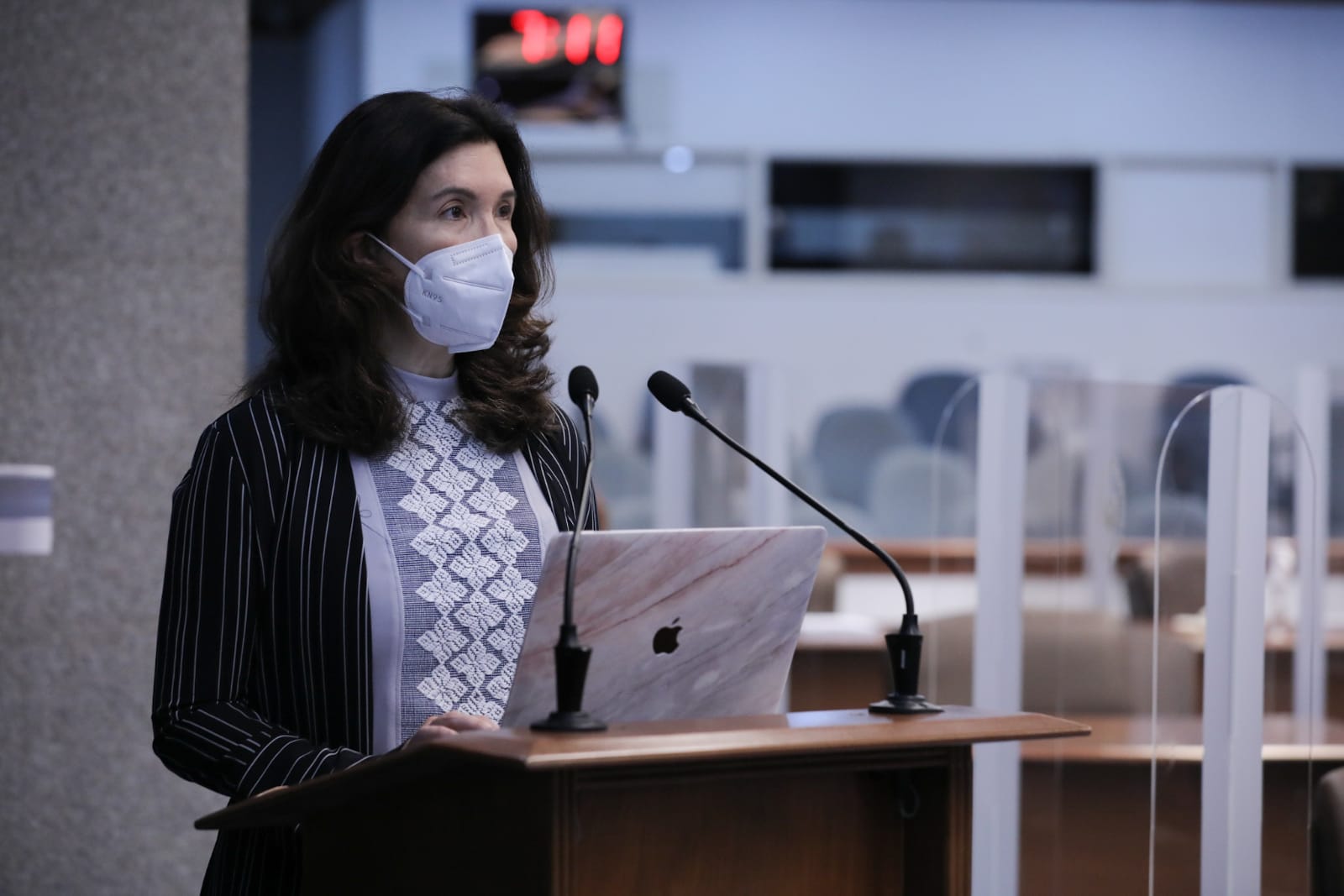
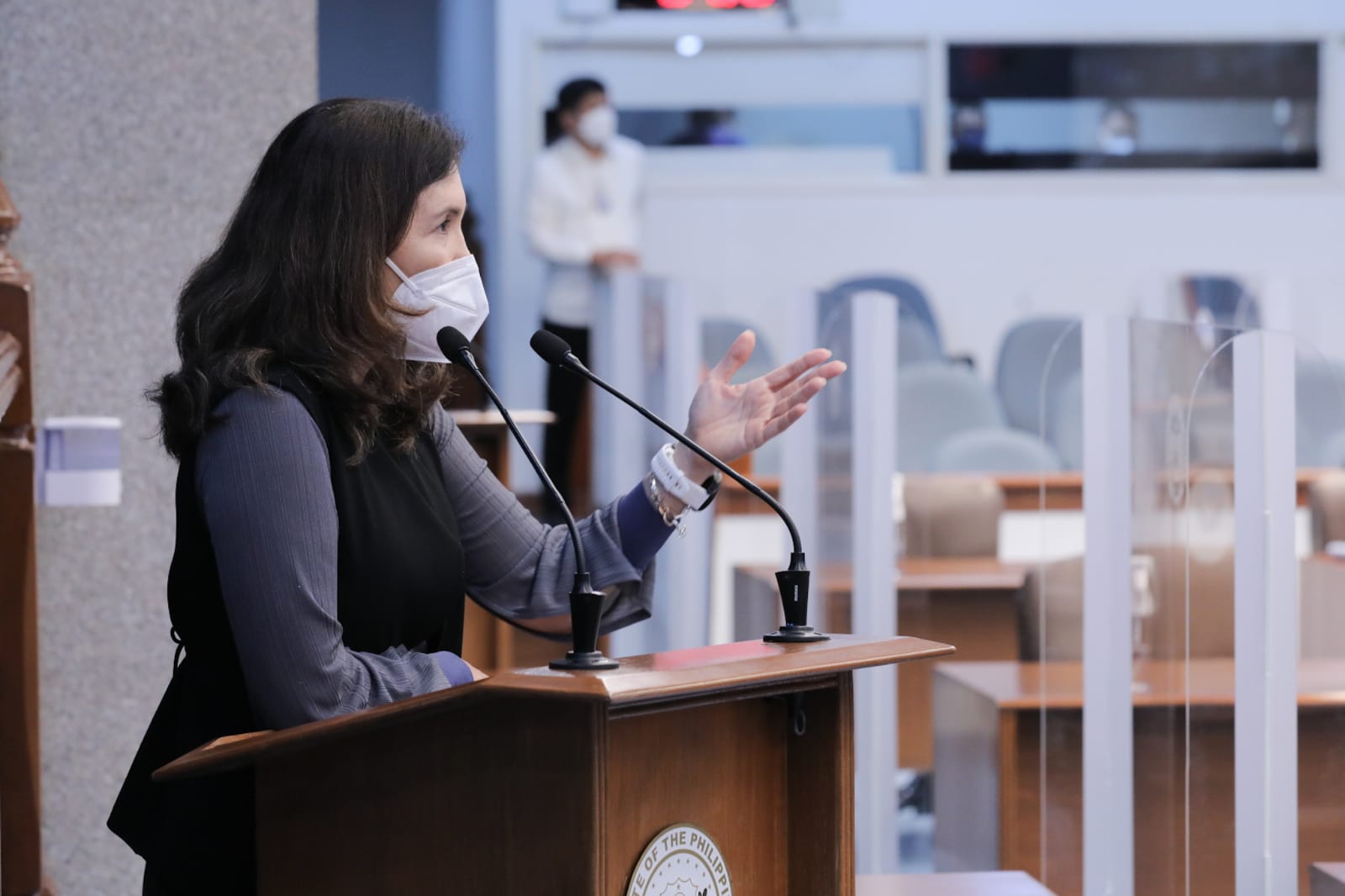
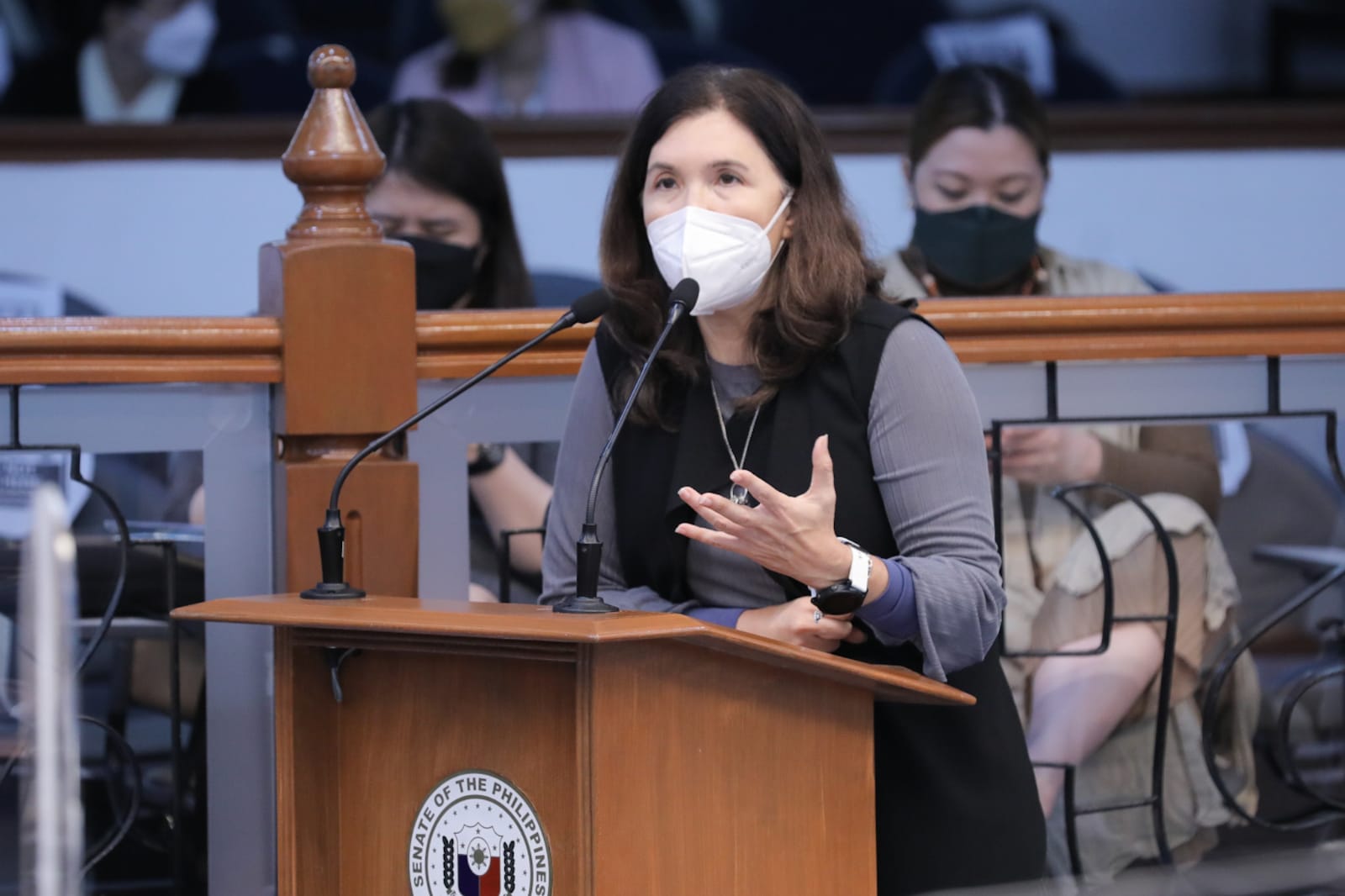
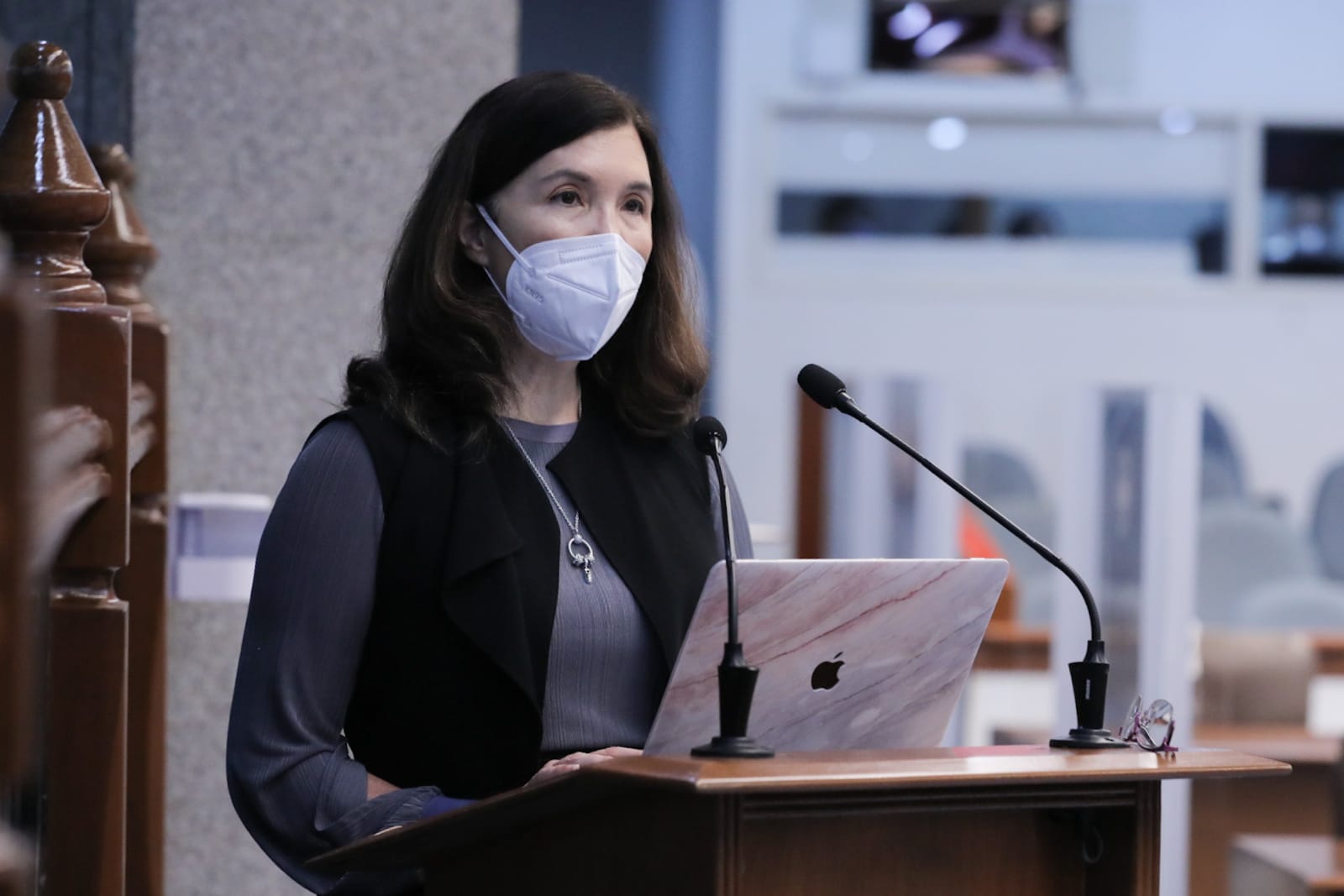
By Senator Pia S. Cayetano Sponsor, Sin Tax Reform Law of 2020 (RA 11467)
I urge the proponents of the Vape Bill to stop claiming that their measure is beneficial to the youth. That’s a blatant lie.
The proponents say that their bill “[solidifies] the provisions of RA 11467 and Executive Order 106” by strengthening the flavor ban on e-cigarettes. If that was the case, then they should have just kept the provision of the Sin Tax Law – which limits vape flavors to plain tobacco and plain menthol only.
Instead, they provided wording that allows hundreds and thousands of flavors to flood the market. How will they even regulate all these flavors? In the US, 55,000 flavors were rejected by the US FDA for failing to provide evidence that they protect public health. Kaya ba natin gawin yun dito? Eh tinanggal pa nga nila sa bill nila ang FDA bilang regulatory body sa e-cigarettes at flavors.
The youth would have been better protected if we retained the access to these harmful products at 21 years old but instead, they made it easier for the youth to access the same. The Sin Tax Reform Law of 2020 placed this at 21 years old, but the Vape Bill lowered it to 18 years old, so now even senior high school students can buy and use vapes. So where’s the ‘protection’ for the youth that the Vape Bill proponents claim? #
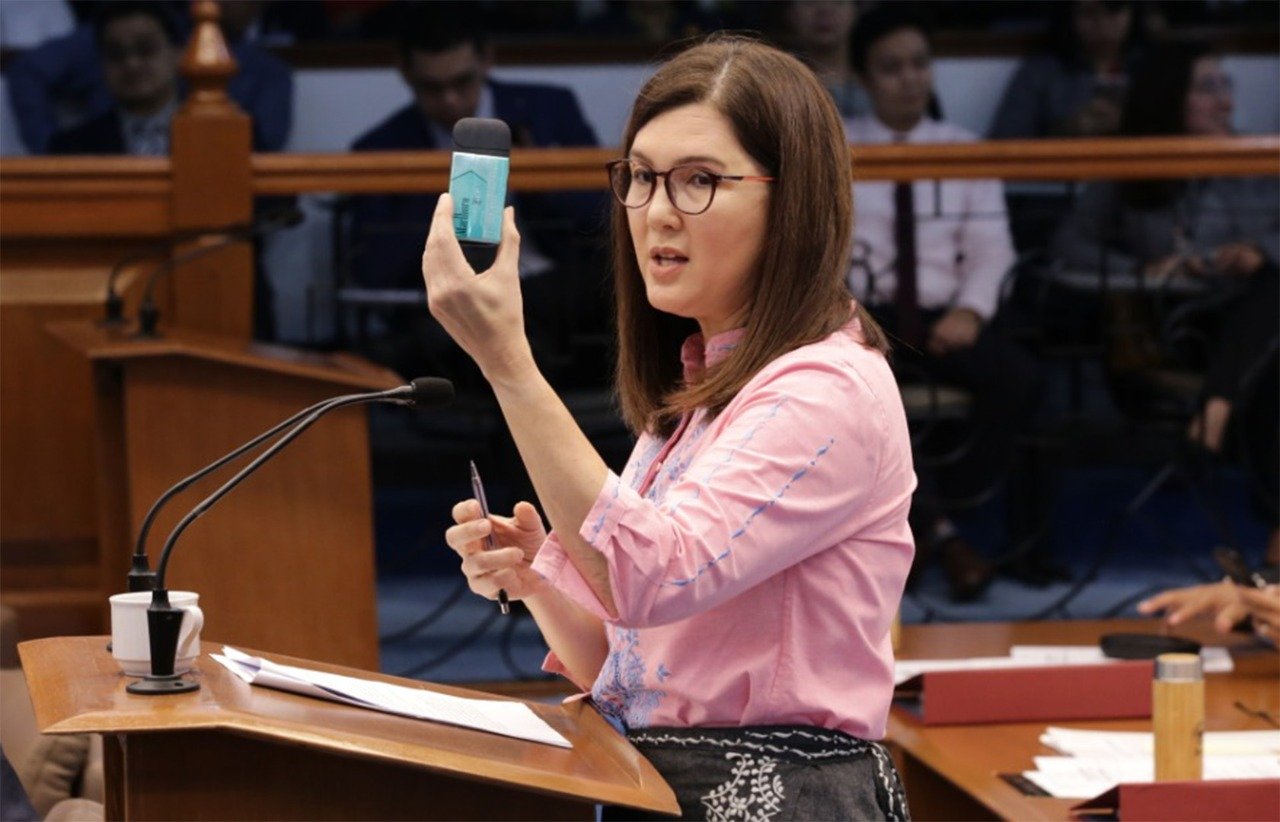
Senator Pia Cayetano: “I urge the proponents of the Vape Bill to stop claiming that their measure is beneficial to the youth. That’s a blatant lie.”
Are you a breastfeeding mom? Does your workplace encourage and support breastfeeding?
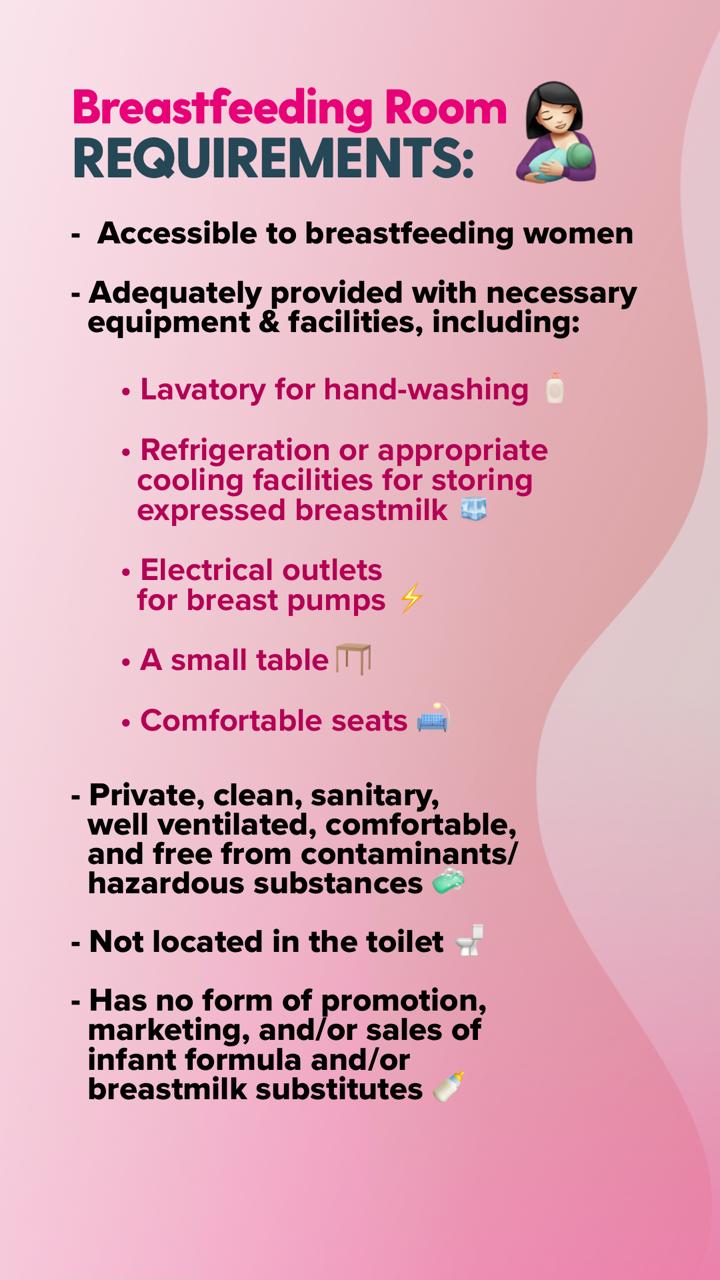
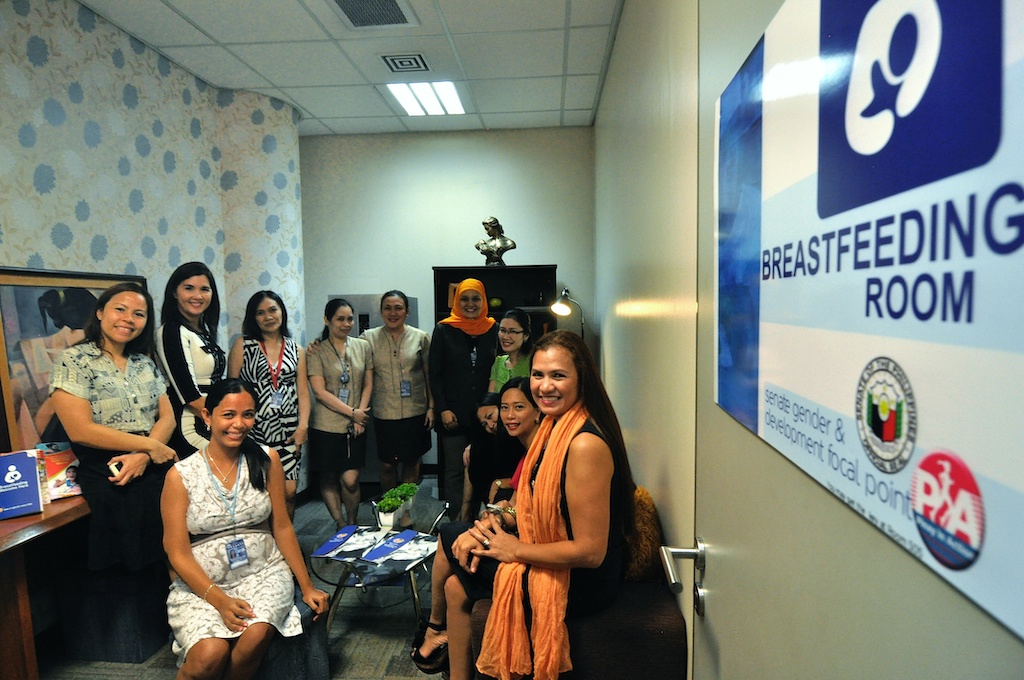
Here is a checklist of requirements in establishing a breastfeeding room or lactation station in places of work, as mandated by RA No. 10028, the Expanded Breastfeeding Promotion Act sponsored by Senator Pia S. Cayetano:
1) Accessible to breastfeeding women
2) Adequately provided with necessary equipment & facilities, including:
Lavatory for hand-washing
Refrigeration or appropriate cooling facilities for storing expressed breastmilk
Electrical outlets for breast pumps
A small table
Comfortable seats
3) Private, clean, sanitary, well ventilated, comfortable, and free from contaminants/hazardous substances
4) Not located in the toilet
5) Has no form of promotion, marketing, and/or sales of infant formula and/or breastmilk substitutes
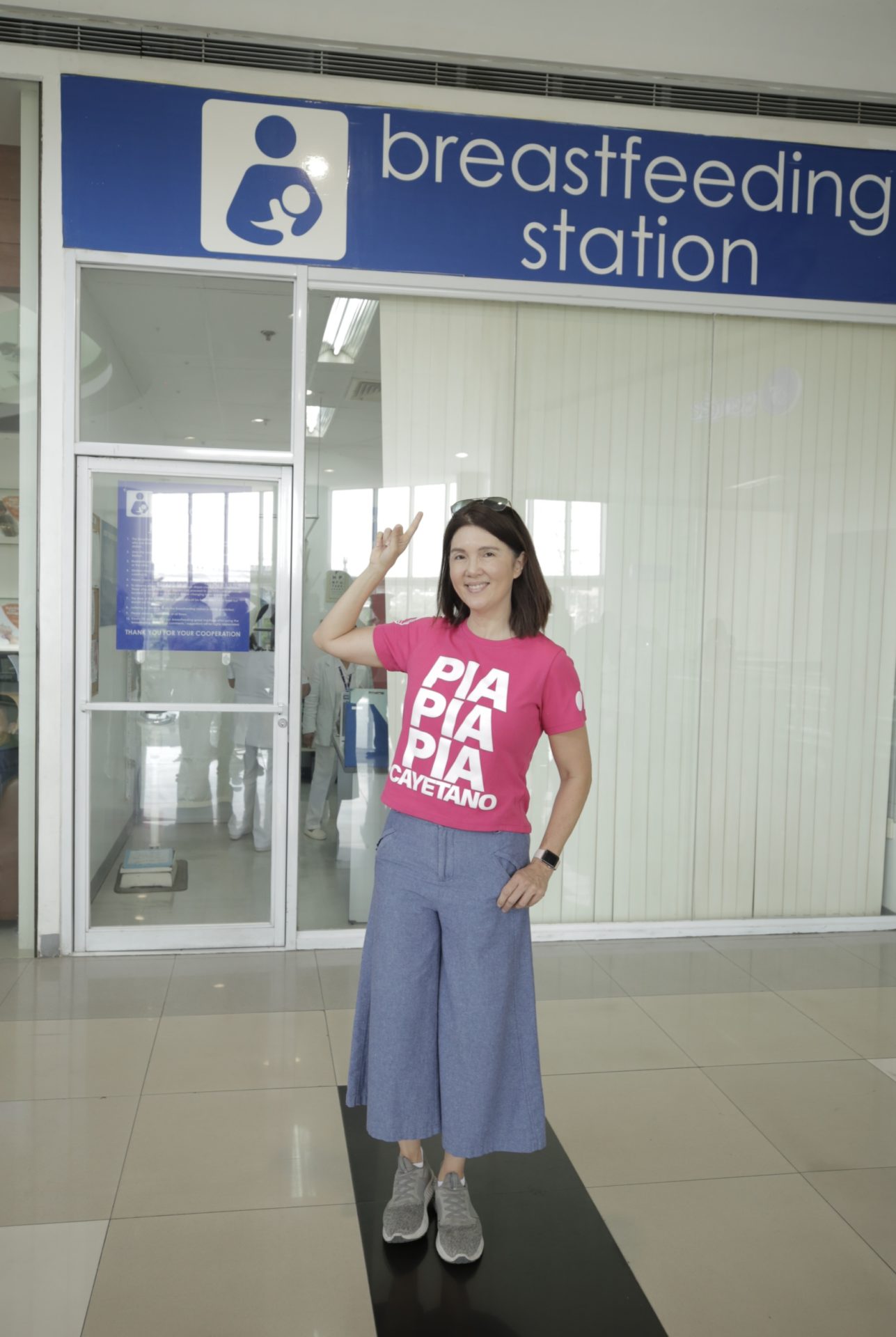
Senator Pia Cayetano stands in front of a breastfeeding station, which became a common feature in malls and public places, following the passage of the Expanded Breastfeeding Promotion Act.Here’s a checklist of requirements when establishing a breastfeeding room in the workplace under RA 10028, the Expanded Breastfeeding Promotion Act.At the opening of the Senate’s breastfeeding room in 2015 with Senator Pia Cayetano and breastfeeding moms working at the Upper Chamber.
We should help our athletes compete at the highest level, not destroy them
Opening statement by Senator Pia Cayetano February 7, 2022
Mr. Chairman, I filed Senate Resolution 982, along with the Senate President. So it’s here, I will not explain anymore the details, they’re all here.
If you read the “now, therefore, be it resolved” section at the very end, it basically says that “the end in view here is to strengthen relevant laws and policies to ensure athletes’ welfare and sports development in the country, including the removal of administrative burden placed upon athletes to enable them to focus on their training and competition.”
So that is our goal here, Mr. Chairman. We have a situation where we have an extremely talented athlete representing our country, he has reached the Olympic level. If I am not mistaken, he was the first or one of the first to qualify in the last Olympics, because he qualified even a few years before the Olympics actually took place. But in the last years or so, leading up to the Olympics. And now, wherein I understand there’s going to be multiple competitions coming up, including the SEA Games of course, he has had to deal with a situation where not only does he not have the support of his NSA, he has actually been ousted by his [National Sports Association or NSA], but he has had to be at the receiving end of accusations on his character, your honor.
I am an athlete too. I am not on the same level of EJ. Malayo po. But I also represented our country. And I continue to be an athlete in my own right, joining various competitions in triathlon and other sports that I love. And I need a good night’s sleep. I need to have that peace of mind that I can totally focus on my game. And this is me, an amateur athlete, what more for a high level international Olympian?
Now, the records will show, it will come out later on, what this young boy has had to deal with, in the months leading up to his competition, not just accusations, but all kinds of statements and calls in the middle of the night being made. I don’t even call my daughters when they have an exam. And this young man, as will be narrated later on, because he lives in a different timezone as well, has had to deal with so much stress coming no less from the NSA.
I will let him narrate the situation, but the only thing I am focusing on in this opening statement of mine is simple. We all know that to be a great athlete, not only do you have to have the skill and the physical attributes. You also need that mental mindset. And we have done everything to destroy this mindset of this young boy.
So I wanna hear from all the experts here, heads of your own NSAs, members of different associations, ganun ba tayo kayabang? Do we have 10, 20, or 50 track and field athletes going to the Olympics, such that we treat our athlete this way? We’re the adults, we’re the policymakers. So I want to know what kind of support we are giving these athletes.
Let’s get the record straight, because during the budget deliberations of the Senate, I moved to recall the budget of the [Philippine Sports Commission or PSC] because of their failure to exercise their supervisorial powers over the NSAs, after having seen how PATAFA was dealing with EJ. And I got a commitment before the entire Senate, no less from the Chairman of the PSC that he will resolve this. But is it resolved? Up to now, we have a situation where EJ doesn’t even know if he will get the endorsement of his NSA. In fact, what he knows is he will not. And is that what we want for our country?
Kung nagkamali si EJ, let’s see what is a commensurate reaction on the part of PSC kung na-delay man siya sa liquidation. Pero I call on every single one of us here attending, aminin niyo ma assistant kayo para mag-liquidate ng sarili niyong mga gastos. Kahit ako, may assistant ako to help me liquidate all my expenses. And we expect our national athlete, who trains 8-12 hours a day, living alone, with a different timezone, to liquidate on the spot, and if he doesn’t, he’s a bad person? He deserves to be insulted? And he deserves to be threatened to be taken out of a sport that he dedicated his life to? Is that how we treat our national athletes?
So that’s the reason for this, your honor. My record will show that I don’t like this kind of investigation. My work is to do the nitty gritty of lawmaking. But if we have to go through this by way of example to learn our lessons, then EJ is the sacrificial lamb, sorry to say. He’s willing to come here. By the way, this hearing is called at a time that it’s 4 am where he is. But he’s here because he wants to set the record straight and also explain his side. Of course, we invited everyone because we also want to hear the other side but at the end of the day, my objective, as I stated in the resolution, is to craft legislation and remove the administrative burden placed upon athletes to enable them to focus on their training and their competition.
That is my opening statement, your honor. #
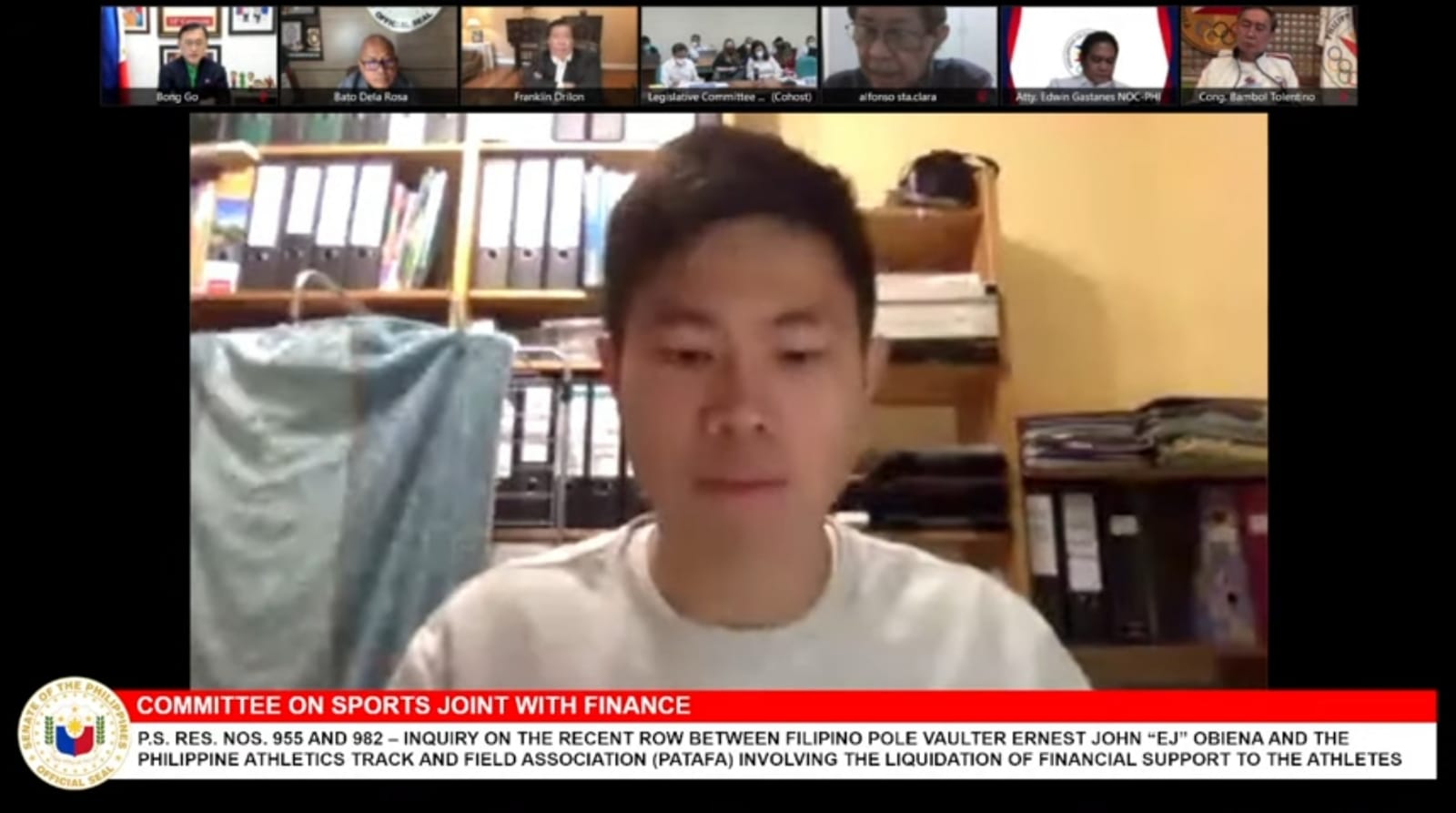
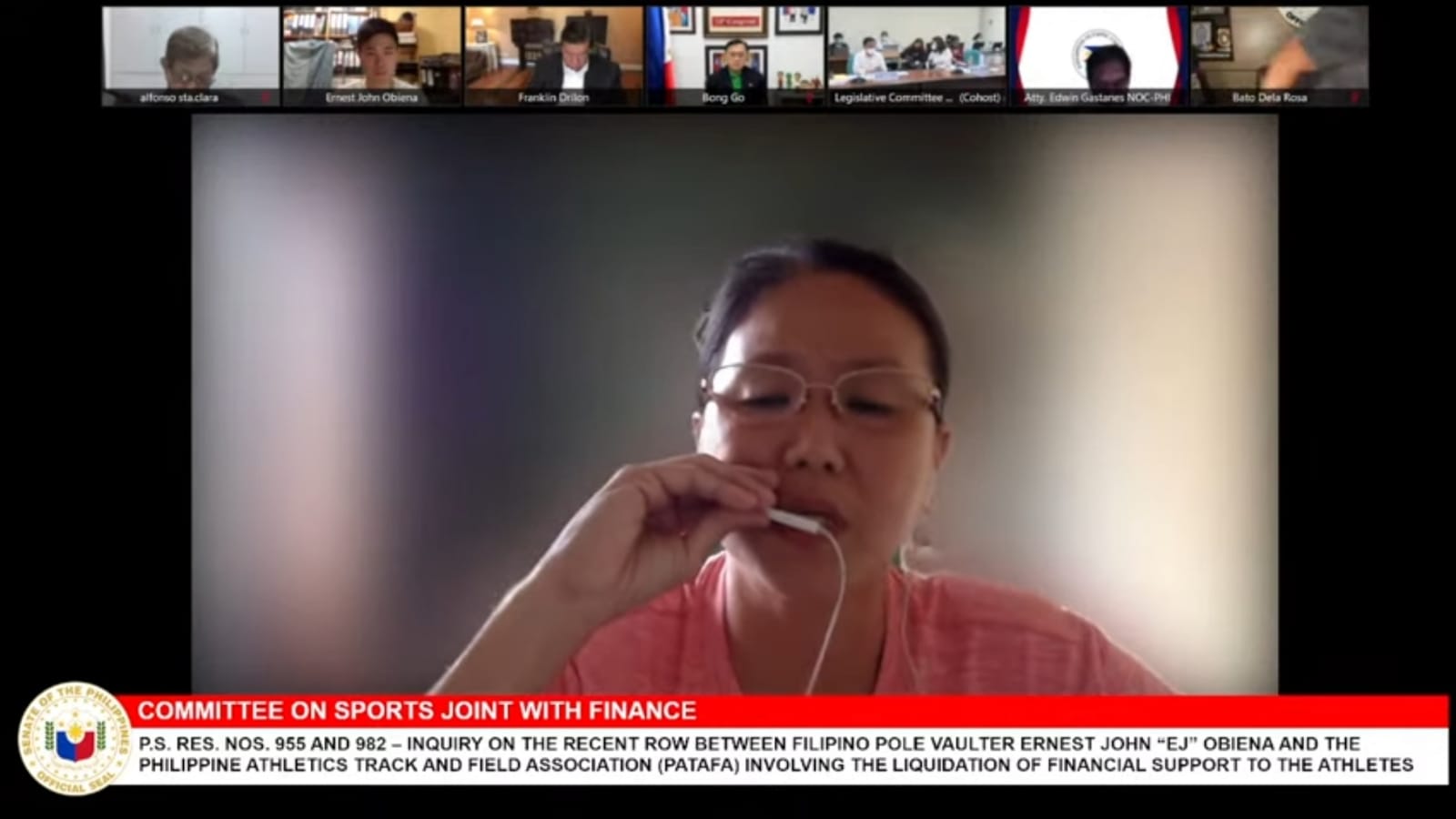
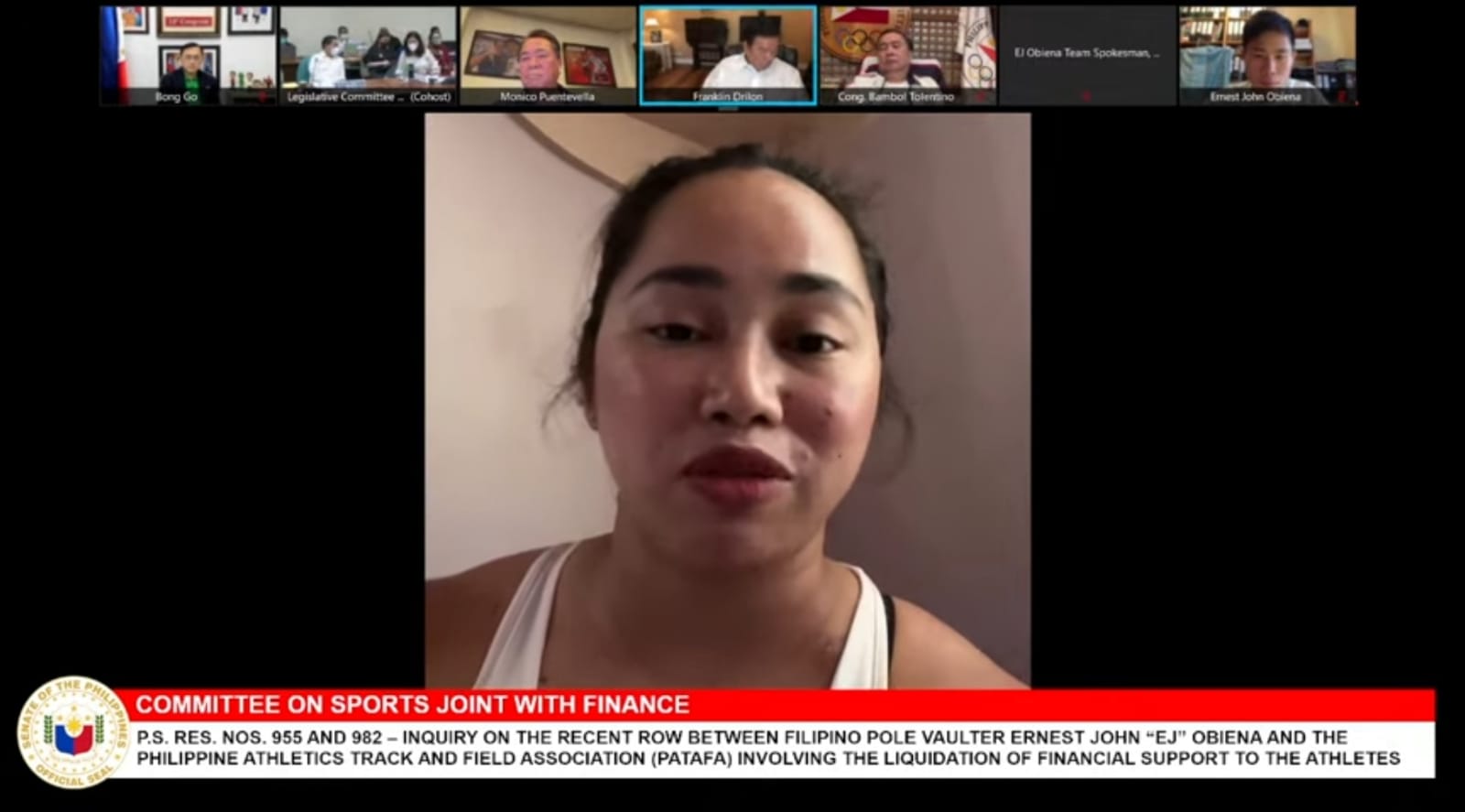
Pole vaulter EJ Obiena attending the Senate inquiry: I’m ‘all in’ for mediation and to clear the false allegations against me.Jeanette Obiena says the long-standing controversy has taken a heavy toll on the mental health of her son, EJ and other family members.PH’s first Olympic gold medalist Hidilyn Diaz says there should be a recognition by sports authorities that elite athletes compete at a very different level, where they are subjected to greater stress and pressure.
Creating the Philippine Center for Disease Control and Prevention
Sponsorship speech by Senator Pia S. Cayetano
February 2, 2022
Mr. President, distinguished colleagues, I rise today to sponsor Senate Bill No. 2505, under Committee Report No. 586, entitled ‘An Act Creating the Philippine Center for Disease Control and Prevention, Defining its Powers and Functions, and for Other Purposes,’ which is the output of the Sub-Committee on the Center for Disease Control that I chaired.
This measure is also known as the Philippine Center for Disease Control and Prevention (CDC) Act.
Mr. President, it’s been two years since the country recorded its first COVID-19 case. During those two years, we have realized the importance of strengthening our healthcare system, to protect Filipino families from existing and emerging health emergencies that pose a threat to their lives.
If there’s one lesson we learned from this pandemic, it’s the importance of being more prepared for other future crises, including the possibility of another pandemic. According to the Center for Global Development, there is a 47-57 percent chance of another global pandemic as deadly as COVID in the next 25 years.
This bill particularly seeks to establish the CDC, an agency under the Department of Health that will act as the technical authority on forecasting, preventing, controlling, and monitoring communicable and non-communicable diseases in the country.
Through this measure, we aim to adopt a framework that fosters a whole-of-system, whole-of-government, and whole-of-society approach that would streamline science-based decision-making, especially during public health emergencies.
The CDC shall have different established centers that shall lead and coordinate the agency’s major functions. These are as follows:
•The Center for Health Statistics
•The Center for Surveillance and Epidemiology
•The Center for Health Evidence, and
•The Center for Reference Laboratories.
These centers shall be created through the harmonization of functions and reorganization of the existing offices and units within the DOH.
Mr. President, globally, nations are scrambling for solutions to end the pandemic and defeat the virus. But COVID is not the only health threat out there.
As the Chairperson of the Senate Committee on Sustainable Development Goals, Innovation, and Futures Thinking, it’s my duty to ensure that we are on track with our targets under the SDGs, including SDG 3 on Good Health and Well-being. One of the targets under SDG 3 is to strengthen the capacity of all countries, in particular developing countries, for early warning, risk reduction, and management of national and global health risks.
Now more than ever, we need to invest in our healthcare system to prepare us better for other possible health emergencies, and to help us build a more sustainable future beyond COVID-19.
And this, we ask for our colleagues’ support, Mr. President, for this urgent and most important measure. Thank you, Mr. President. #
In her sponsorship of the proposed Center for Disease Control and Prevention (CDC) Act, Senator Pia Cayetano stressed the need to invest in the healthcare system to prepare the country better for public health emergencies, and to help build a more sustainable future beyond COVID-19.
Senator Pia sponsors resolution honoring boxing trainer Donaire
By Senate PRIB
The Senate on Wednesday adopted a resolution honoring Rachel Marcial Donaire for being the first woman and Filipina to receive the honorary World Boxing Council (WBC) Trainer’s Belt.
Senator Pia Cayetano, sponsor of the measure, said Marcial Donaire is the woman behind the defensive strategies of renowned Filipino boxer Nonito “The Filipino Flash” Donaire Jr., who is a four-division conqueror and a three-time bantamweight champion.
“This placed Rachel Donaire in an unprecedented position as she became the first ever woman head trainer to coach a world champion,” Cayetano said, adding that the WBC Trainer’s Belt is given to boxing coaches and trainers who are recognized for their valuable work alongside legendary boxing champions.
Proposed Senate Resolution No. 983 honors Rachel Donaire as “a leading example of a strong Filipina, as she inspires fellow women by her ability to efficiently juggle her roles as a mother, wife, manager, strength and conditioning coach, and now as Nonito Donaire’s head coach.”
Majority Leader Juan Miguel “Migz” F. Zubiri expressed support for the measure, saying “we should have more women in all sectors not only as fighters or as the athletes themselves, but as educators, trainers or sports specialists.”
Following his victory last May 2021 for the WBC World Bantamweight Title against French boxer Nordine Oubaali in Carson, California, Nonito Donaire paid tribute to his wife and trainer, Rachel Donaire, whom he described as “the voice in the corner,” being the only one he could hear during the night of the championship.
“I am proud and honored to sponsor this measure commending and congratulating Rachel Donaire for forging her own path, a path ‘til now was untrodden by women,” Cayetano said.
Senator Pia Cayetano sponsors a resolution commending Rachel Donaire for forging her own path in the male-dominated world of boxing. Rachel, the wife and trainer of world boxing champion Nonito Donaire, Jr., is the first woman to receive the honorary World Boxing Council (WBC) Trainer’s Belt.
Vape bill protects the interest of industry, not people
Manifestation on the Senate’s ratification of the bicameral conference committee report on the Vape Bill
By Senator Pia S. Cayetano
January 26, 2022
Mr. President, the bicameral report was read past 9:00 pm last night. And as I manifested, it was not on the agenda and therefore, I was not aware that it was going to be taken up. And I had then said that I would make my manifestation today, because at that point, it was already ratified by the time I logged on. Traditionally, we are allowed to ask the sponsor questions during the report on the bicam. But as I said, since it was already ratified, I will simply make my manifestation:
I recognize the efforts that the sponsor put into this measure. Unfortunately, it is a version that supports the industry and not the Filipino people. More than 60 health associations and civil society organizations, the Department of Health, and former health secretaries have strongly opposed this measure. In fact, time and again, since December, they have called for the veto of the measure.
For the record, during the sin tax debates in this Congress, there were colleagues and even health professionals calling for the banning of these products. But we decided to regulate the same provided that key safeguards were put in place. Those 3 key safeguards are the following: 1) FDA regulates, 2) age of access is 21 and 3) limiting the flavors to plain tobacco and plain menthol.
Barely a year after the Sin Tax was passed, the Senate started to tackle the subject bill. This measure included Senate Bill No. 2099, which I filed, and other bills that were originally referred to the Committee on Health, and yet these bills were transferred to the Committee on Trade, which went on to tackle the same.
Included in this (Committee Report) were provisions that overturned the safeguards in the Sin Tax Law. And sadly, they were passed by the Senate and carried in the bicam, which are the following:
1. Exclusive jurisdiction transferred to DTI
2. Age of access lowered to 18
3. No key restrictions on flavors
Here are the details.
On the first point, DTI, a trade agency, that has nothing to do with the healthcare of people, is given the exclusive jurisdiction over any and all issues, requirements, and subject matters related to e-cigs. Based on their mandate, DTI is responsible for investments and export promotion, industry development, and MSME development. As I have said, and will not tire of saying, nowhere in their mandate does it say that the DTI can determine the health effects of products, let alone vapor products, which are detrimental to public health. Even the industry cannot say… Thousands of flavors were rejected by the US FDA. Does the DTI have the political will or the expertise to do the same? To reject flavors that will be proposed to be carried in the market? We know very well that their mandate is to promote business. I submit that they will not have the political will nor the capacity to regulate the flood of flavors that we will be exposed to and our young children.
On the second point, the minimum age of sale and purchase is now pegged at 18 years of age. These products will now be accessible even to senior high school students. According to experts, the brain continues to mature until the age of 25, and that early exposure to nicotine through vapor products could impair the brain’s development.
On the third point, other flavors are still allowed. Despite the restrictions on the descriptors, we know very well that the wide array of flavors will make the product more attractive especially to the youth.
So those are the 3 main points, your honor, that were carried in the bicameral report that we continue to oppose. Changes in the bicam report that further relax regulation on e-cigs. These are but a few examples, your honor:
Sponsorships are now allowed even beyond industry associations and trade events.
In the version of the Senate, which was our proposal, originally sponsorships were only limited in industry associations and trade events. This was our specific amendment to address events being targeted to all and not just to those who are already within the vaping industry. Now, it will be open to all.
It also allows companies to conduct corporate social responsibility related activities. Mr President, under the WHO Framework Convention on Tobacco Control, Principle 6, Corporate Social Responsibility activities should be prohibited. We are now in clear violation of an international agreement that we have historically honored.
Let me end with this Mr President.
As we honor and throw our support behind the efforts of our health workers with the right hand, with our left hand, we are giving a free pass to a line of products that directly affects our health. It boggles the mind that as we deal with over 5.63 Million deaths around the world and more than 53,000 deaths in the Philippines due to COVID, we allow this industry to promote their products touted as a lesser evil by the industry and its proponents.
I will not be a party to a bill that is masquerading as a health regulation. As I said, over 60 health associations and civil society organizations, the Department of Health, and former health secretaries have expressed strong opposition to this measure and continuously warned us about these products and the need to regulate the same by the one agency tasked by our laws, to ensure that products that affect our health are regulated. That is the FDA. Not the DTI.
Once again, I must state for the record that I disassociate myself from this measure. Thank you, Mr. President. #
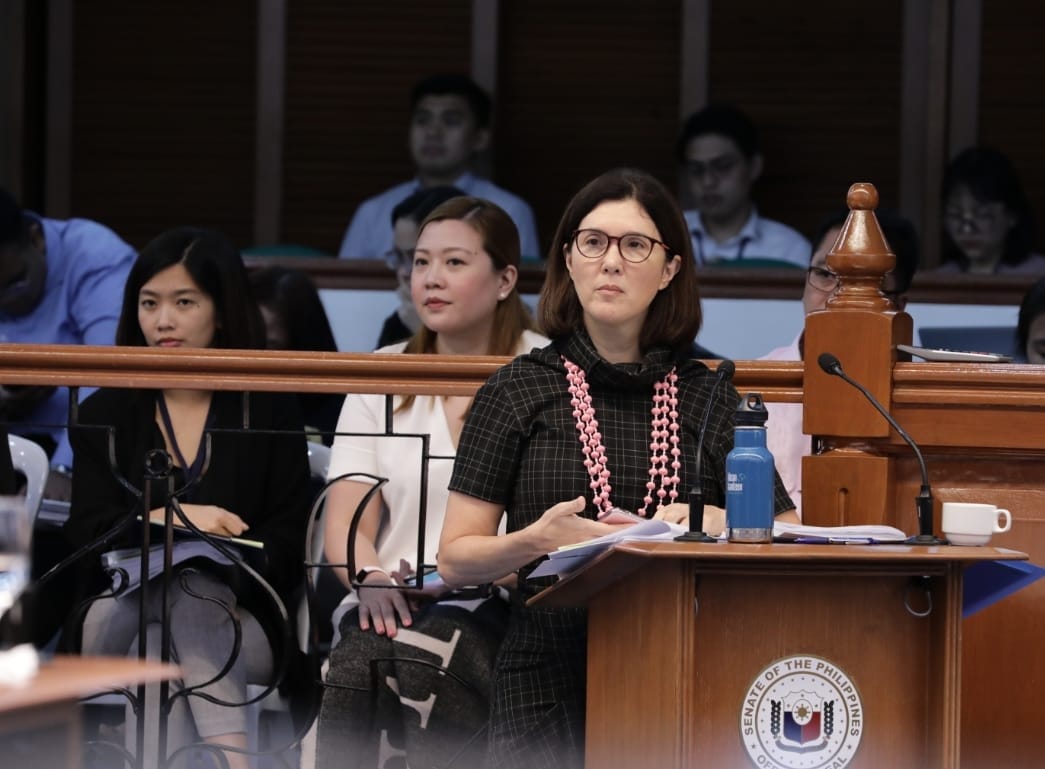
“I will not be a party to a bill that is masquerading as a health regulation,” stressed Senator Pia S. Cayetano as she manifested her opposition to the bicameral version of the Vape Bill that was adopted by the Senate.
Privilege speech on the Philippine Senate’s participation at the 143rd assembly of the Inter-Parliamentary Union
By Senator Pia S. Cayetano January 26, 2022
Thank you, Mr. President. I believe it’s very important that we report on this trip. This is a practice I have learned from the late Senator Nene Pimentel, to be very detailed in our reports so that we can also share our learnings with our colleagues and the Filipino people.
I will make this brief, Mr. President, in the interest of time. But I will submit a full report to each of your offices, complete with pictures, and then I will also submit my speech into the record. So let me begin.
Mr. President, I rise today on a matter of personal and collective privilege.
Last November 26 to 30, 2021, I took part in the 143rd Inter-Parliamentary Union (IPU) Assembly and Related Meetings in Madrid, Spain, as the sole representative of the Philippine Senate.
This year’s theme was “Contemporary Challenges to Democracy: Overcoming Division and Building Community.” The IPU Members adopted the Madrid Declaration, which calls for a new approach to democracy with a renewed commitment to core democratic values, inclusiveness, and problem-solving.
Of course, these debates took place amidst COVID and we were swift to tackle policies based on evidence to immediately respond to emergencies and mitigate the negative impact of this unprecedented health event. It was discussed that all countries had sadly observed that this had negative effects on the democratic process, [thus] the need to act urgently. And these challenges were further aggravated by COVID itself.
During the General Plenary Debate, which I participated in, I stressed that our response to these challenges must be long-lasting solutions that incorporate the concept of intergenerational fairness, so that it will have a positive effect on the next generations.
Intergenerational fairness is the concept of justice among generations, which is the foundation of sustainable development, in the use and conservation of the environment and its natural resources, cultural resources, and the proper way to approach economic and social problems.
I also cited various Senate initiatives, such as the creation of the Committee on Sustainable Development Goals, Innovation, and Futures Thinking that is focused on monitoring progress in sustainable development and mainstreaming futures thinking.
Always a topic in the IPU is women’s representation. I reported that 28% of the members of the House of Representatives and 29% of our Senators are women.
This places the Philippines at the 61st spot out of 188 countries, in terms of women representation in parliament, according to the latest IPU Report. This is the highest number ever achieved in the Philippine Senate.
We also discussed misinformation and fake news. We had discussions on education, regarding the quality of education and the challenges during COVID, and climate change. Again, the details are in my report, your honor.
During the Forum of Women Parliamentarians, we discussed a Resolution entitled “Legislation Worldwide to Combat Online Child Sexual Exploitation and Abuse from a Gender Perspective.” I joined two (2) meetings that discussed the following:
One, on child exploitation, I shared reports that confirmed cases of online child exploitation in the Philippines, where children are being sexually exploited by adults within their own households.
On abuse from a gender perspective, I decided to share an interesting reality in the Philippines, wherein we have millions of women and mothers who leave the country to make a living and serve as nurses, as doctors, and as household helps in other countries, in other homes, the effect of which is that they leave their own families behind. And this has had repercussions that will for generations have to be dealt with.
During the meeting of the Standing Committee on United Nations Affairs, we discussed the global vaccination campaign to end the COVID-19 pandemic. I mentioned in my intervention how the Philippine Senate has been instrumental in engaging our government on the adequate procurement and prompt delivery of vaccines, and ensuring enough budget for COVID-19 vaccines.
To stress the importance of vaccine equity, I highlighted that we continue to prioritize our healthcare workers for vaccination and financial protection, given that they are put in high-risk situations at the forefront of the battle against the virus.
During the discussion of a Resolution on an Emergency Item, the IPU Member Parliaments unanimously backed the African Group’s Resolution, which calls for global parliamentary support for vaccine equity in the fight against the COVID-19 pandemic.
During the High-Level Advisory Group discussion on Countering Terrorism and Violent Extremism, I initially expressed my intention to vie for the vacant position at the IPU’s High-Level Advisory Group [on Countering Terrorism and Violent Extremism], as one of the representatives of the Asia-Pacific Group.
I have had the opportunity to engage in security studies, thus my interest in this matter.
However, During the Assembly, this representation was approached by the Honorable Eva Abdulla, Deputy Speaker of the People’s Majlis, the Parliament of the Maldives, who sought our support in her bid for the same position. She recounted her country’s, as well as her own experiences, of the surge of extremist ideas and actions in the Maldives, which included death threats on their Speaker and herself.
I felt that the proper thing to do, your honor, was to give way and support the Deputy Speaker for the aforementioned position. She was very thankful for this initiative on our part and committed to also support us in future endeavors.
This representation likewise had Other Bilateral Side Meetings with:
•The Honorable Meera Alsuwaidi, Member of the U.A.E.’s Federal National Council and a ranking Member of the IPU’s Bureau of Women Parliamentarians.
•Senator Gabriel Cuevas Barron of Mexico, immediate past president of the IPU.
•And the Secretary General of the Parliamentary Forum on Small Arms and Light Weapons (PF-SALW), Ms. Karin Oloffson, whom I have met in 2018 in another conference.
I also had the opportunity to visit the exhibit of National Artist Kidlat Tahimik, who is showcasing Philippine history at the Palacio de Cristal in Madrid, Spain, something we can be very, very proud of.
In closing, I thank you, Mr. President, for giving me the opportunity to represent the Senate of the Philippines and express our views on various important issues. I remain a supporter of global affiliation and continue to learn from colleagues across the globe, who encounter similar concerns that we have in the Philippines. Our participation in the IPU Assembly is important now, more than ever, considering that learning from each other and working together is vital in our survival from the COVID-19 pandemic, and other future public health events.
With that, I thank you again, your honor, and I will submit this speech and my newsletter to every office of our colleagues.
Thank you, your honor. #
Parliaments working together is vital in addressing COVID-19 and future pandemics. Thus stressed Sen. Pia Cayetano in a privilege speech on the Philippine Senate’s participation at the 143rd assembly of the Inter-Parliamentary Union (IPU).
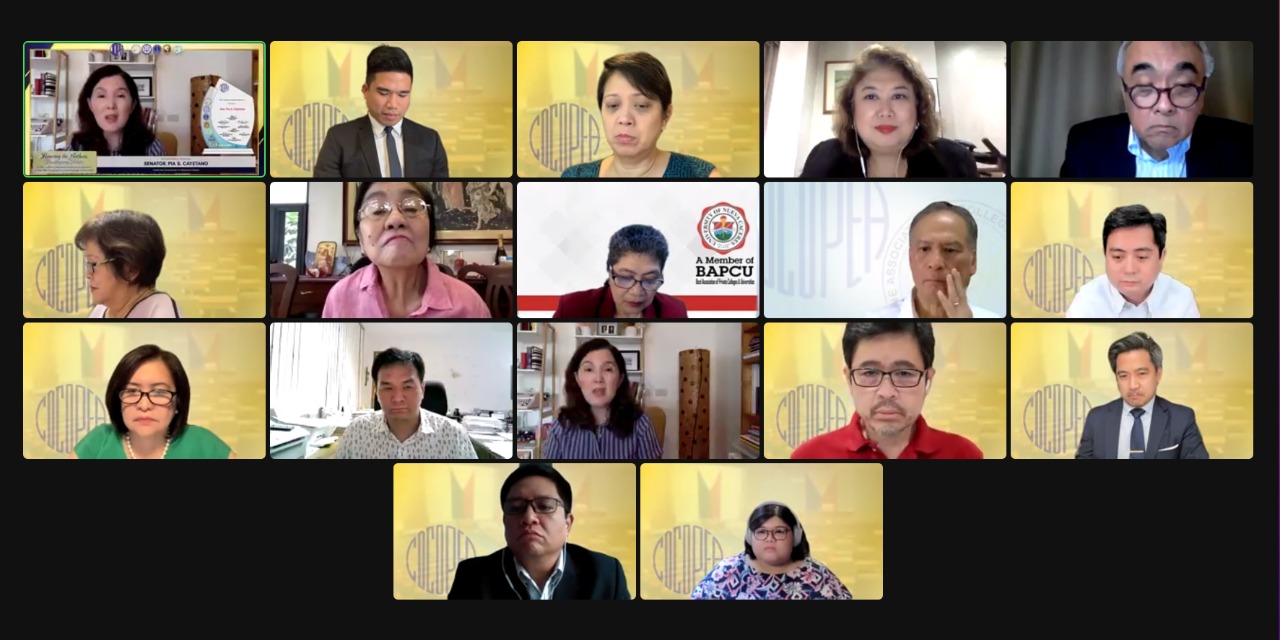
Speech for the Coordinating Council of Private Educational Associations of the Philippines (COCOPEA)
By Senator Pia S. Cayetano
Chair, Senate Ways and Means Committee Sponsor, Republic Act No. 11635, granting preferential tax rates for proprietary educational institutions
Good afternoon, everyone! Thank you for having me and taking time to include me in this event, where you are taking note of the work that we’ve done. Thank you for the very kind introduction.
There’s not much really to say for me on this topic. I won’t go through it as you all know what the law is about. I think what I’d like to do now is to focus on the need for further collaboration between COCOPEA and the legislative side of government.
In my case, there are just so many laws that I feel can be implemented better. Obviously, we would like your input on how we can improve the delivery of education on these issues as well.
This law that we have just passed is evidence of our ability to work together and to address the concerns that you have. I have always said that the private sector, and of course, COCOPEA, is at the lead in terms of the group of members that you have. The private sector is our partner in the delivery of education to the Filipino people.
So your wellbeing is important to us. Because your being able to deliver your mandate effectively also allows us to also deliver our mandate as provided by the Constitution.
I’d like to point out a few issues which I feel are important, because this is just what we have done in the past months. And the outcome of that is really, like I said, just one of the many things that we can do together if we put our minds to it.
I’ll just mention some of these concerns that I have personally taken note of:
•Teen pregnancy
It’s very important that we address this concern. Not just in our country, but all over the world, teen pregnancy is still a big issue. And we already know that when we have teen pregnancies, the victim here is usually the girl because she carries out that pregnancy and her whole future is put on the line. So we must be able to educate our young people and even our teachers. The delivery of education should have that confidence and the ability to address this concern.
•Youth’s exposure to vices
The other item that I wanted to discuss is exposure to vices. Cigarettes and the new hazards, which is vaping, I hope that you can all be on board in raising awareness on the dangers of these products. Vapes are not the safer alternative for young people. There is no safer alternative to young people. It is not correct that I see so many young people thinking that this is safer for them than cigarettes, that is not the case. So I hope you can also be on board in bringing awareness to this. And of course, there is still alcohol and drugs that we need to be conscious of.
•Inclusive learning
And then, of course, there is equal access to those students who have special needs. I know that in a developing country, this really entails costs that are not part of our regular budgeting process. But I hope in due time, we can continue to strengthen our institutions so that we can address the needs of these children with special needs.
•Futures thinking for education
And then very important to me, for those who may not know, I chair a new committee in the Senate, it’s the Committee on Sustainable Development Goals, Innovation, and Futures Thinking. And it is because of my exposure to experts in this field that my knowledge has grown, I continue to be a student in search of more knowledge. But I really embrace the belief that we need to change our system of education. We can’t do it overnight, but every day we must be making steps towards the realization of our goals for these children. And really, there is no one size fits all. The more we can customize the delivery of education for the special talents and (for) the full potential of young learners, the closer we will be to really having a productive next generation.
So that is really the goal, that we are able to shift from the more traditional delivery of education to more understanding of what the special talents are, and the interests and talents these young children are born with, that we develop their skills in communication, collaboration, creativity, and so on and so forth.
•Mental health
And then the awareness on mental health issues. I know we have all become more conscious of it during this time of COVID. These had always been concerns, but there is more acceptance now on the importance of mental health, and not just physical health.
•Sports and fitness
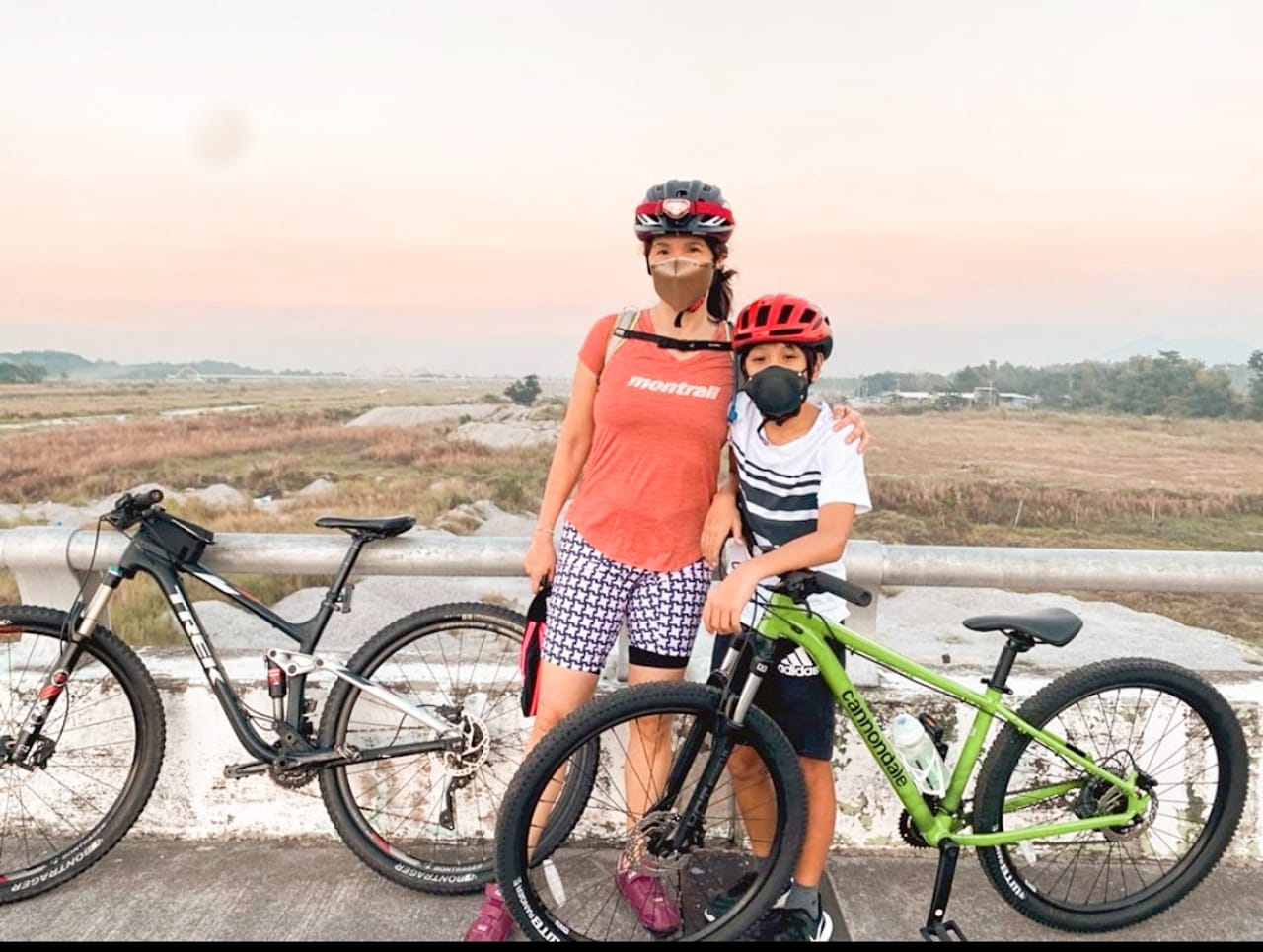
And speaking of physical health, as many of you know, I am an avid sports advocate. I love sports myself, I engage in sports, I encourage sports among everyone of all ages, and I do believe that there is room to increase the role of sports in our curriculum, in our day-to-day life in schools. I know some schools may not have facilities that can provide a venue for all kinds of sports, but in one way or another, there are ways that we can make our children fall in love with physical activities, with being active. Especially in our country, which is gifted with beautiful outdoors. We should be able to do more of that.
So those are just a few of my top-of-mind concerns that I think we can all work with, not necessarily legislation, but really just either implementing existing laws, implementing existing policies, and if there are best practices out there, by all means, share them. We would really like to highlight these best practices in any of the areas that I’ve mentioned, and even more.
So on that note, once again, it’s been a pleasure. I always like working with associations that are very organized, that have their data. Maraming salamat for also making my work easier. So on that note, again thank you for this opportunity to serve our country better. Thank you. #
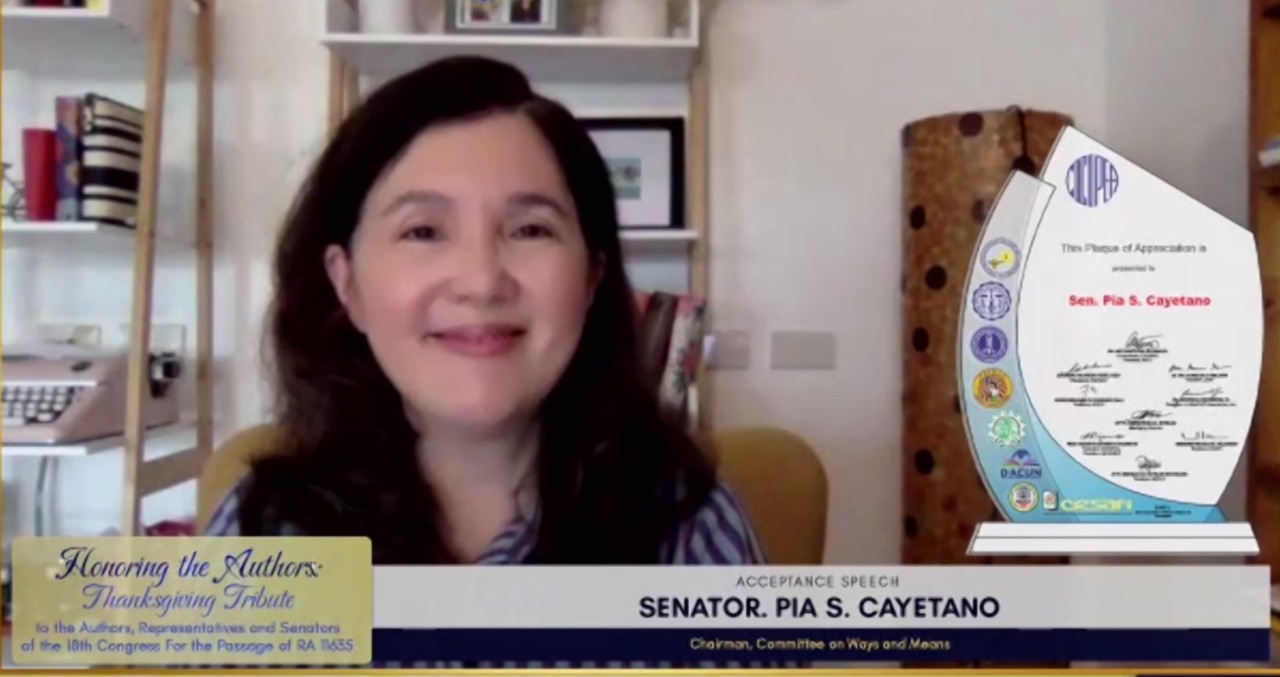
Senator Pia Cayetano stresses the importance of stronger partnerships in education in her speech before the assembly of private school organizations.Senate Ways and Means Chair Sen. Pia Cayetano sponsored RA 11635, the law entitling all private schools to the preferential tax rate.
“A loving and caring family for every abandoned, neglected, and orphaned child could soon become a reality.”
Thus said Senator Pia S. Cayetano, as she welcomed the signing of the Domestic Administrative Adoption and Alternative Child Care Act, or Republic Act No. 11642.
“The new law simplifies the country’s domestic adoption system by making it administrative in nature, and streamlining the processes and requirements,” said Cayetano, an adoptive mother, and a co-author and co-sponsor of the measure.
She noted that the law will establish the National Authority for Child Care (NACC), an agency under the Department of Social Welfare and Development (DSWD) that will exclusively handle all adoption, foster care, and other alternative child care cases, and will have its own personnel.
The establishment of the NACC and the streamlining of the adoption procedures were among the major amendments introduced by Cayetano to the final version of the measure.
“These reforms seek to speed up adoption proceedings while ensuring the best interest of the child. I know this law will save so many parents and children from the heartbreak of waiting and waiting for their adoption to be final,” she stressed.
“I started work on placing abandoned and neglected children in temporary homes over 10 years ago, which resulted in the passage of the Foster Care Act (RA 10165). This Domestic Adoption law which I have actively worked on for over five years completes the structural reforms that are needed to ensure that every child in need can have a home to call his/her own,” noted the senator.
“I too am an adoptive parent blessed to be raising my son who is now 11. I know of so many heartbreaking stories where young children have become teenagers before they got adopted, if at all, due to the bureaucracy, insufficient personnel handling adoption cases, and lengthy court proceedings,” she explained.
“I can now say that we have a comprehensive domestic administrative adoption law. I have renewed hope that prospective parents won’t have to wait too long to bring a child into their loving arms, and for children without parents to find their forever family sooner,” concluded Cayetano. #
Senator Pia Cayetano, an adoptive mom herself, says RA 11462 will hasten the adoption process, while ensuring the best interest of homeless children.“I started work on placing abandoned and neglected children in temporary homes over 10 years ago, which resulted in the passage of the Foster Care Act (RA 10165). This Domestic Adoption law which I have actively worked on for over five years completes the structural reforms that are needed to ensure that every child in need can have a home to call his/her own.”
RA 11635 brings much-needed reprieve to private schools
Statement of Senator Pia S. Cayetano
Chair, Senate Ways and Means Committee
Principal sponsor, RA 11635
Private schools are the government’s partners in education. In this time of pandemic, they need as much assistance as they can get to continue delivering quality education to Filipino learners.
Thus, the enactment of Republic Act (RA) 11635 comes as a welcome development for them amid the uncertainties of the times, as rising COVID-19 cases forced us to restrict face-to-face classes to start the New Year.
This timely measure, which I sponsored, amends Section 27(B) of the National Internal Revenue Code, to clearly indicate that all proprietary educational institutions, whether for profit or non profit, shall enjoy the 10% preferential tax rate.
This shall also allow them to be covered by a provision under the Corporate Recovery and Tax Incentives for Enterprises (CREATE) Act, which reduced the tax rate of such institutions from 10% to 1% starting July 1, 2020 to June 30, 2023.
With this measure, private schools would be given much-needed reprieve to cope with the continuing challenges caused by the pandemic, starting with their own financial viability and sustainability.
It must be emphasized that this law resulted from continuous dialogue and cooperation among the various stakeholders. We worked with the Bureau of Internal Revenue (BIR) and the private schools, led by the Coordinating Council of Private Educational Associations of the Philippines (COCOPEA), to root out the issues and find a common solution.
We need to continue working with our partners in education for long-term solutions in terms of policy and budget, using strategic foresight and futures thinking to help this sector recover from the pandemic, and beyond.
This is part of our country’s commitment under Sustainable Development Goal No. 4, which is to ensure inclusive and equitable quality education for all by year 2030. #
The new law will allow all private schools to be covered by a provision under the Corporate Recovery and Tax Incentives for Enterprises (CREATE) Act, which reduced the tax rate of such institutions from 10% to 1% starting July 1, 2020 to June 30, 2023.