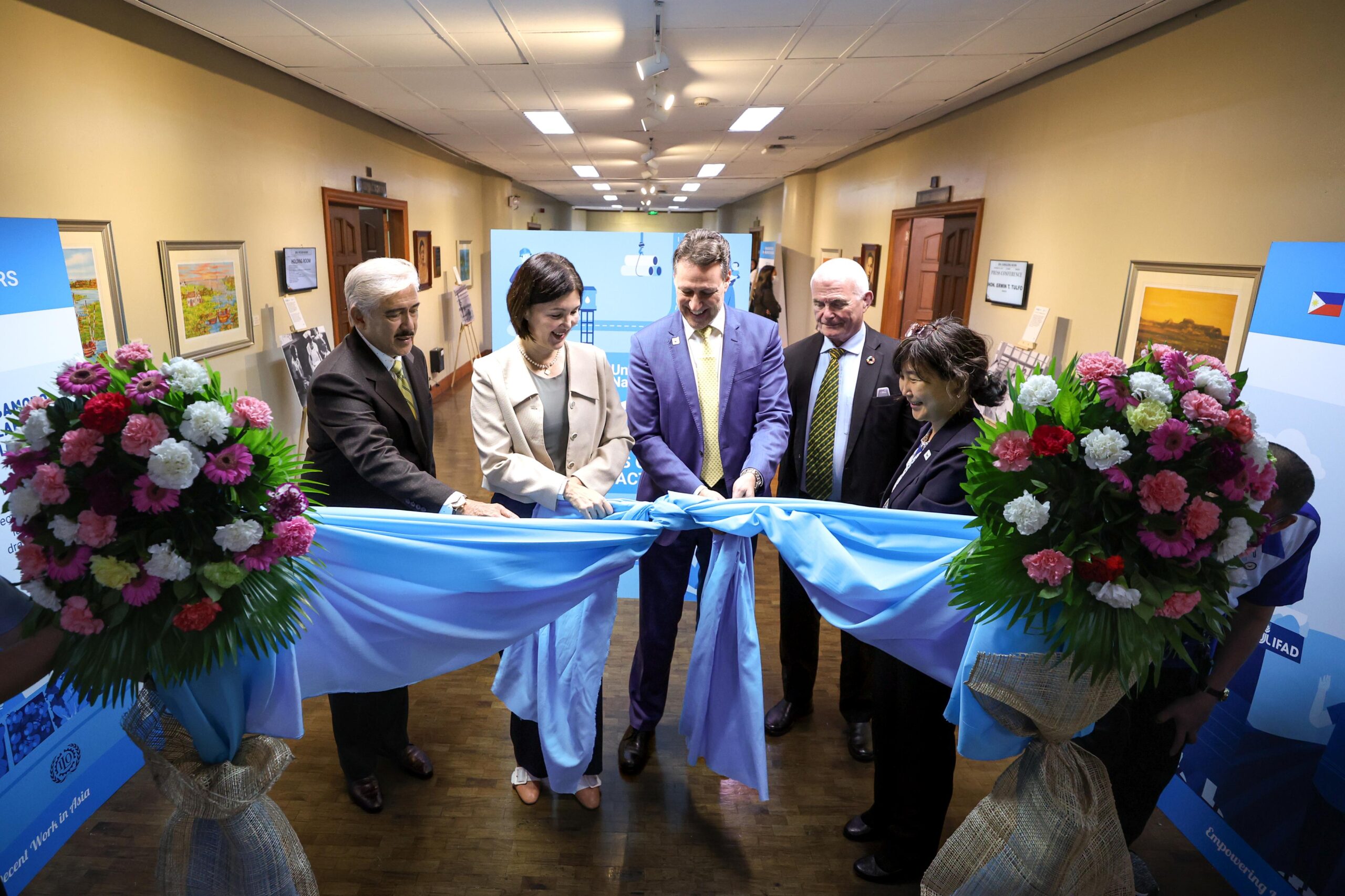
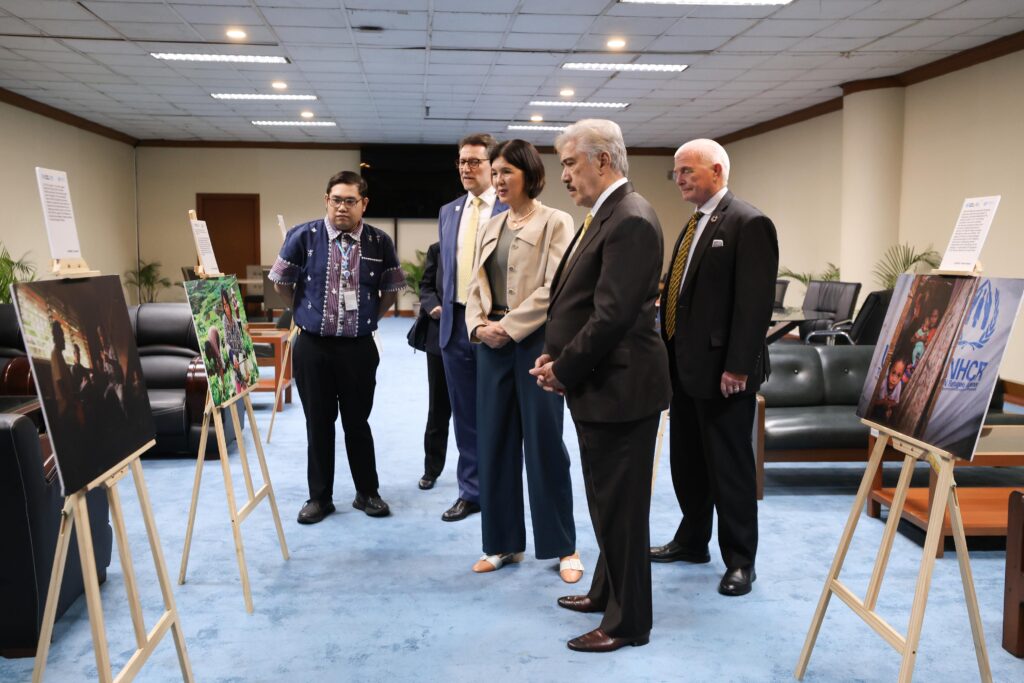
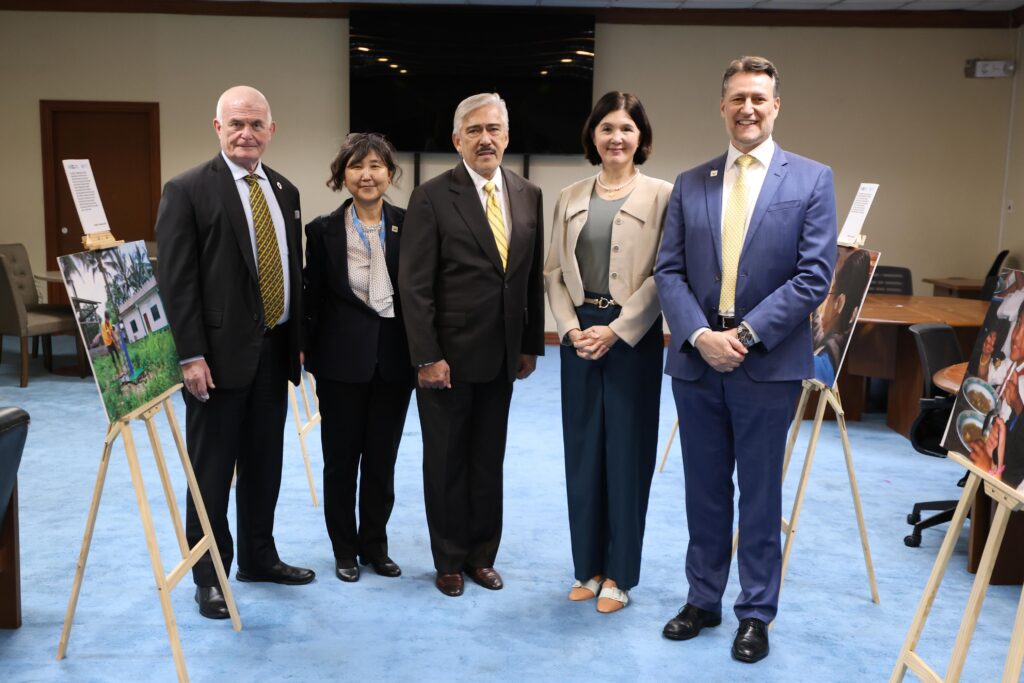
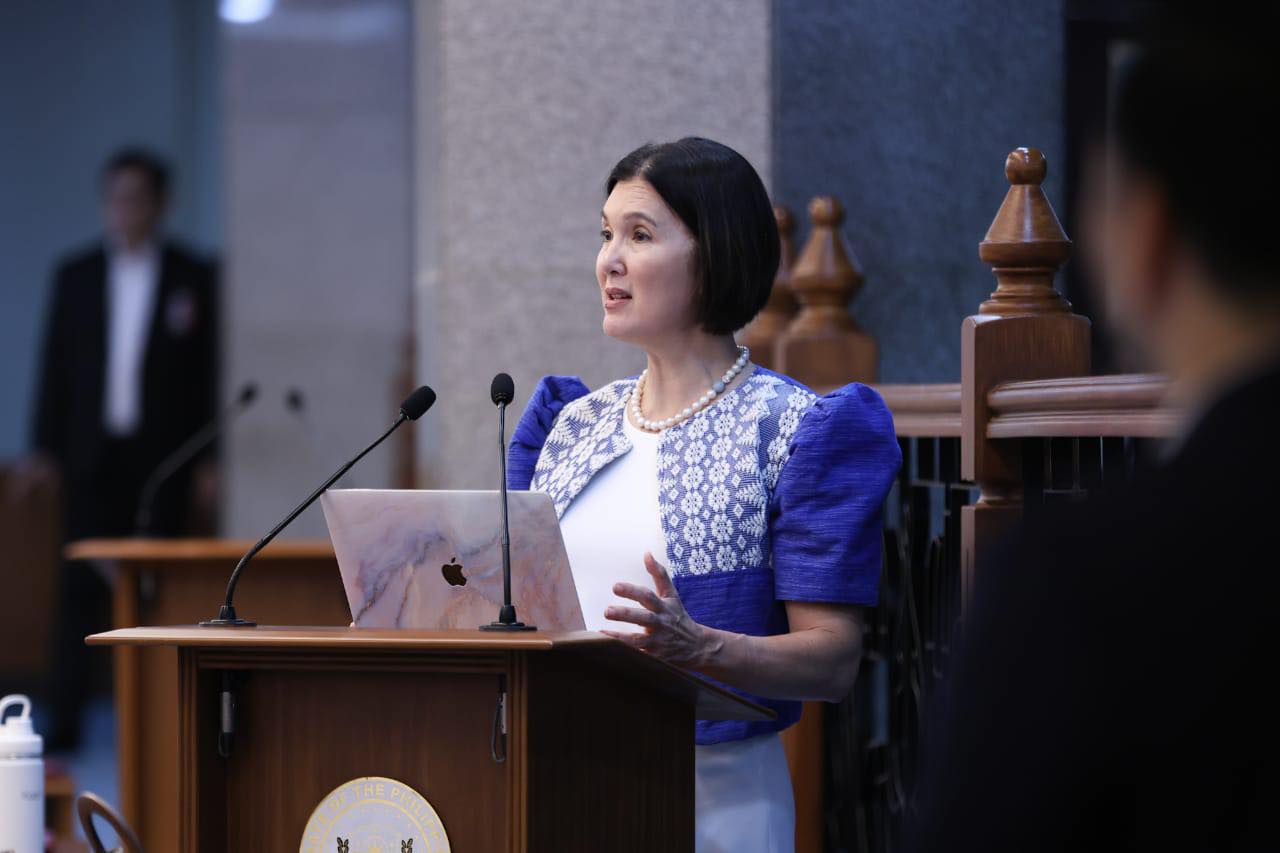
November 24 — Senator Pia S. Cayetano together with Senate President Vicente Sotto III, UN Philippines Resident Coordinator Arnaud Peral, UNDP Resident Representative ad interim Knut Ostby, and WHO Acting Representative Dr. Eunyong Ko led the ceremonial opening of the exhibit themed “United for Progress: 80 Years of United Nations Partnership with the Filipino People.” The photo exhibit highlights the UN’s long-standing work with communities across the Philippines.
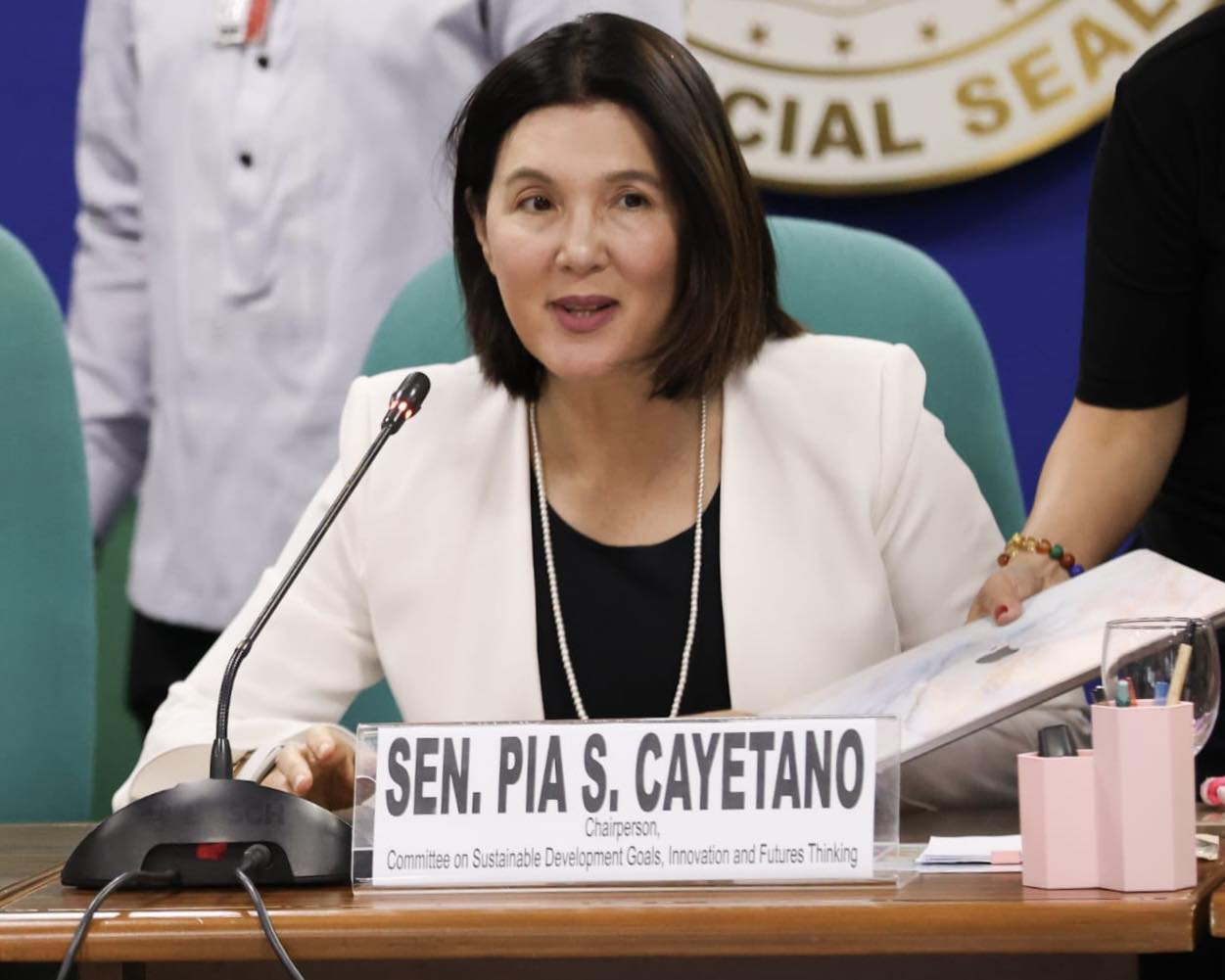
As Chairperson of the Senate Committee on Sustainable Development Goals, Innovation, and Futures Thinking, Senator Cayetano partnered with the United Nations Philippines to bring this exhibit to the public, underscoring how this milestone reflects the collective commitment of the Philippines and the UN to resilient, inclusive, and futures-driven development. The images on display stand as a powerful testament to what shared purpose and partnership can achieve for Filipino families and communities nationwide.
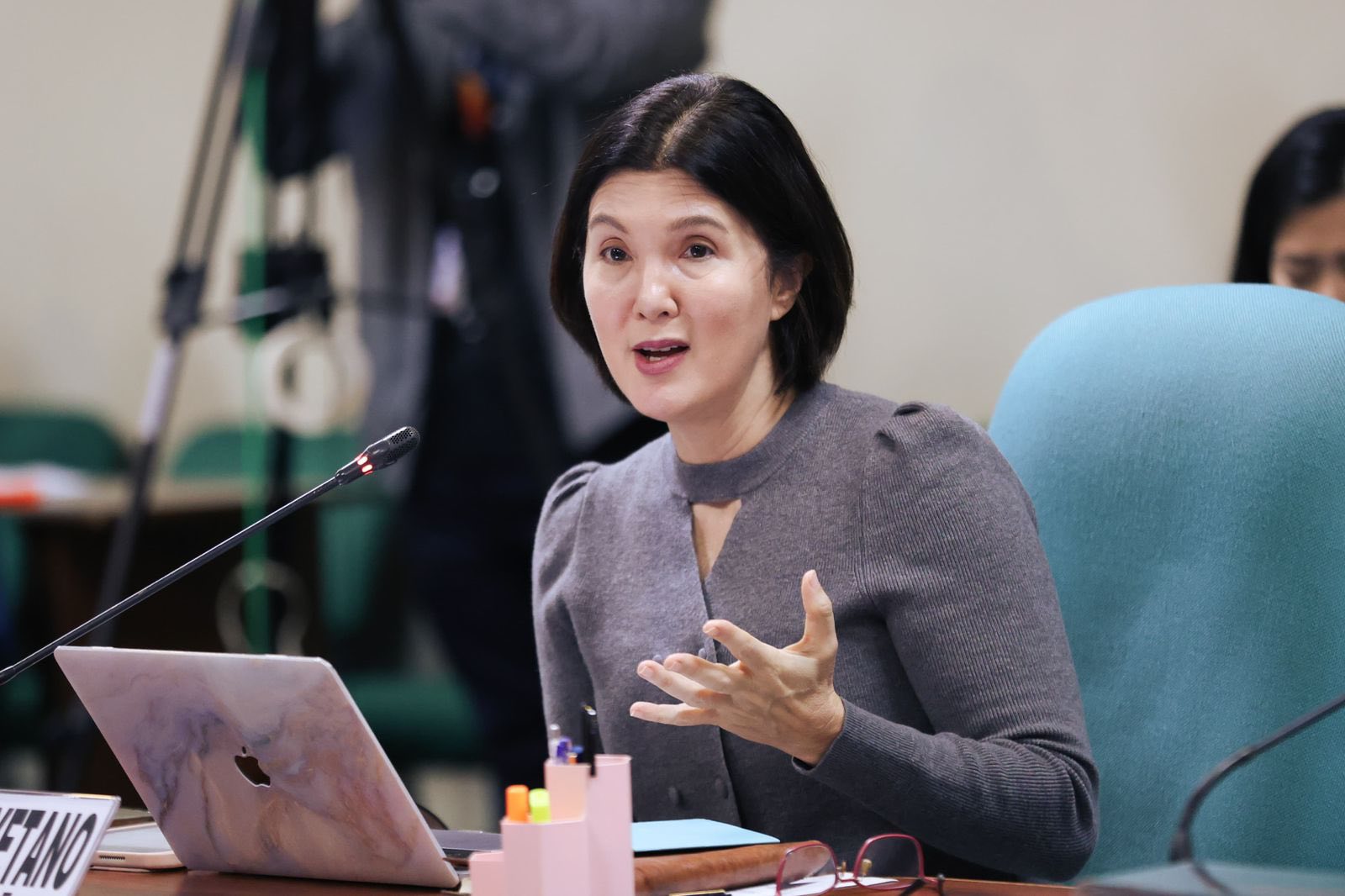
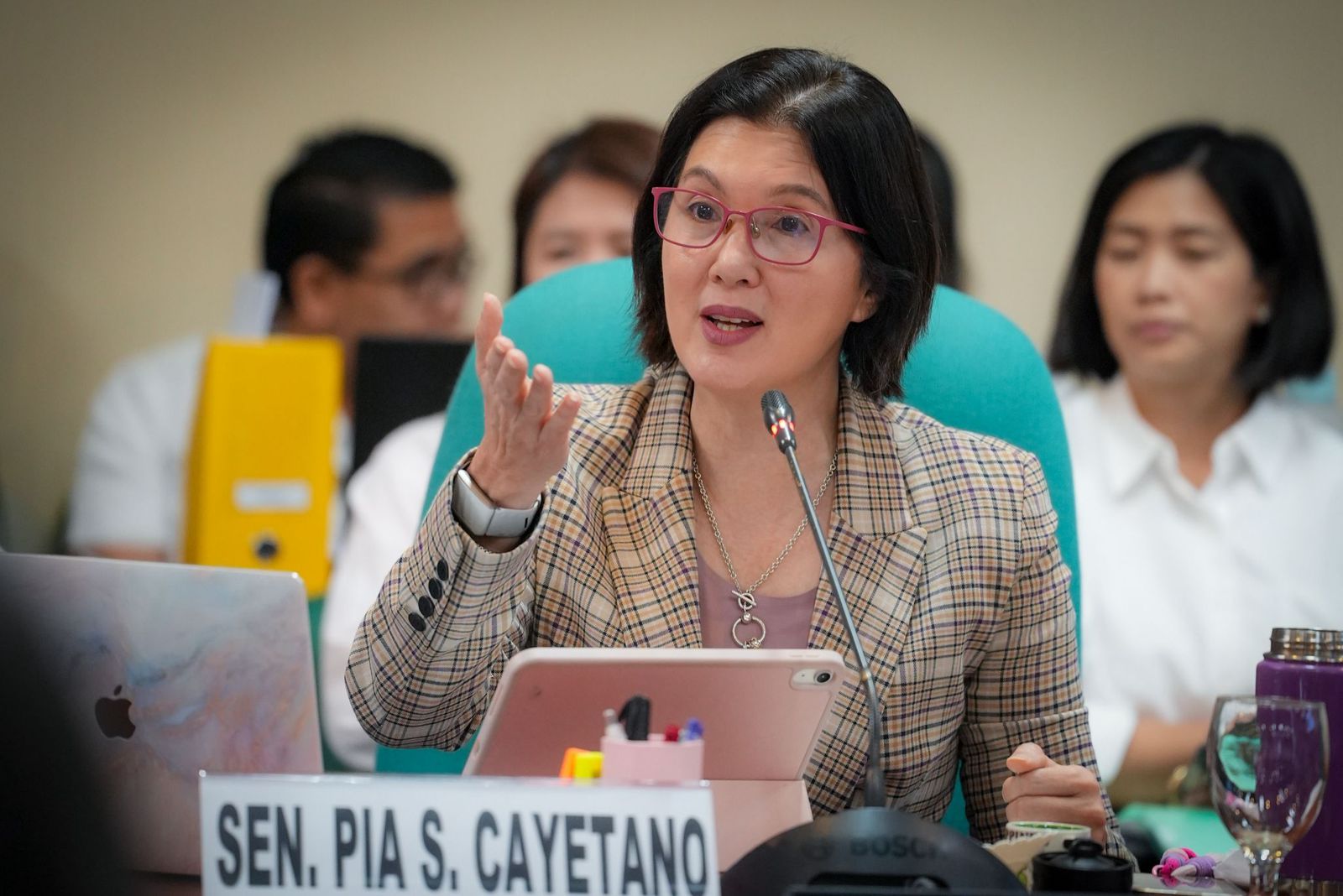
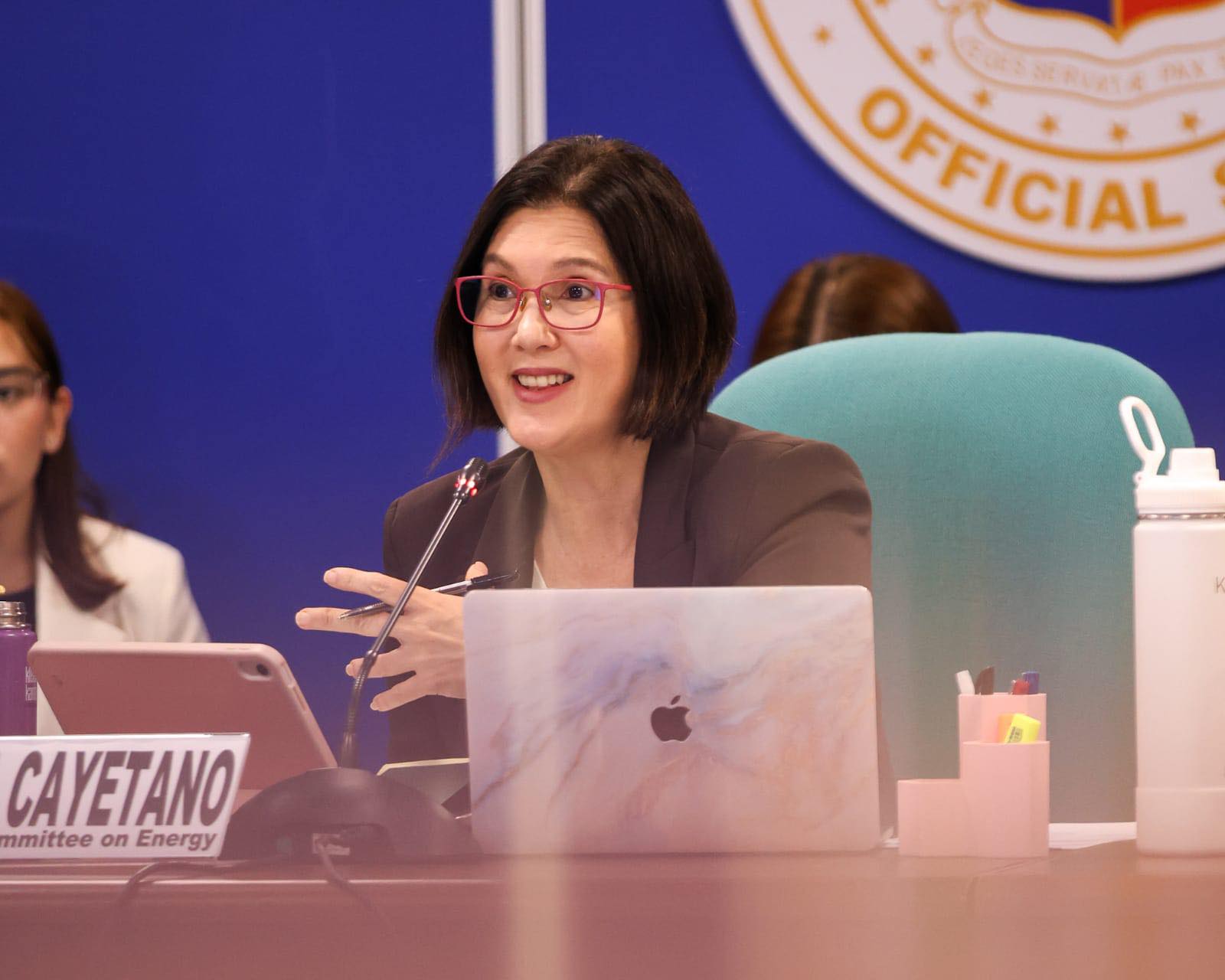
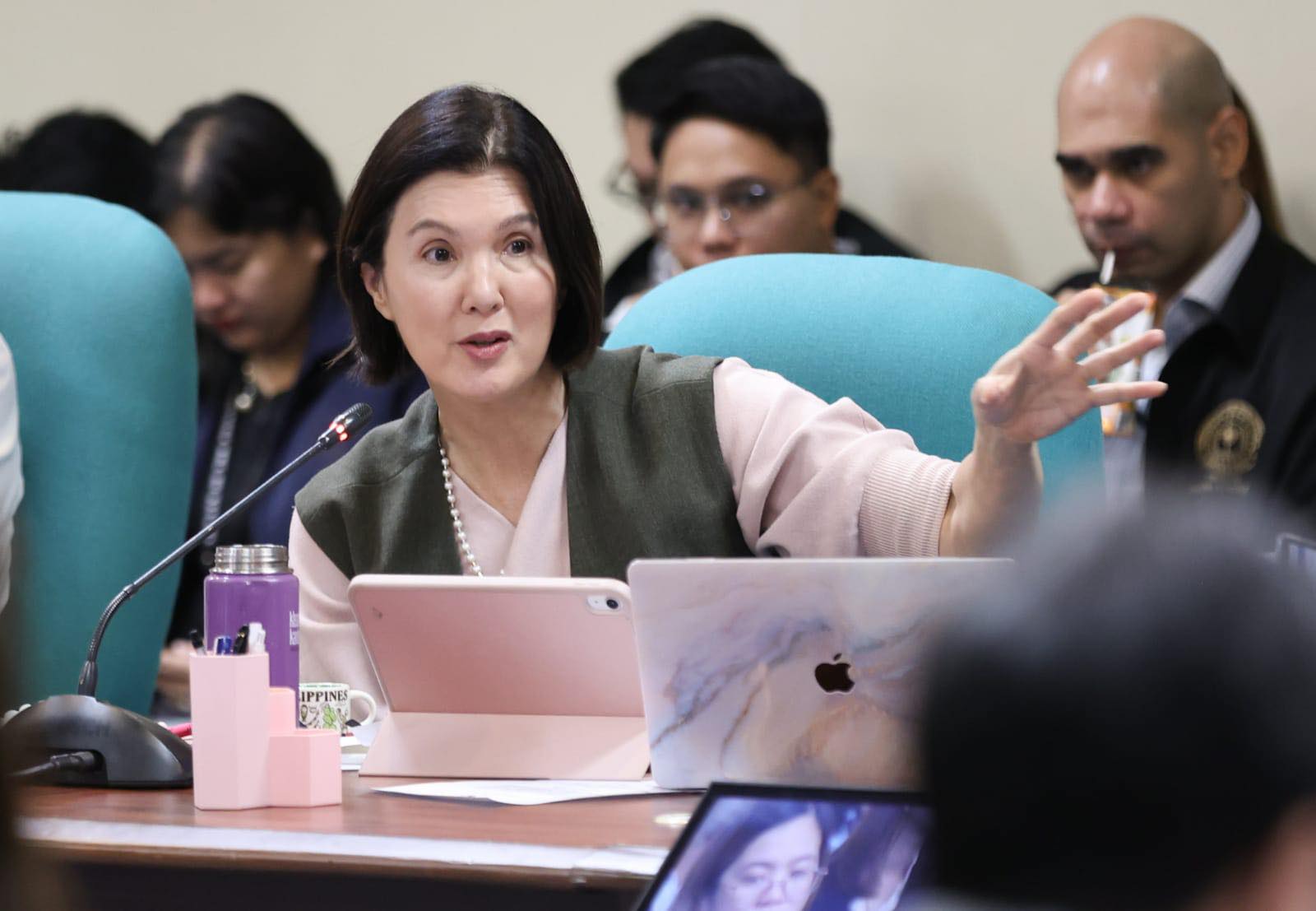
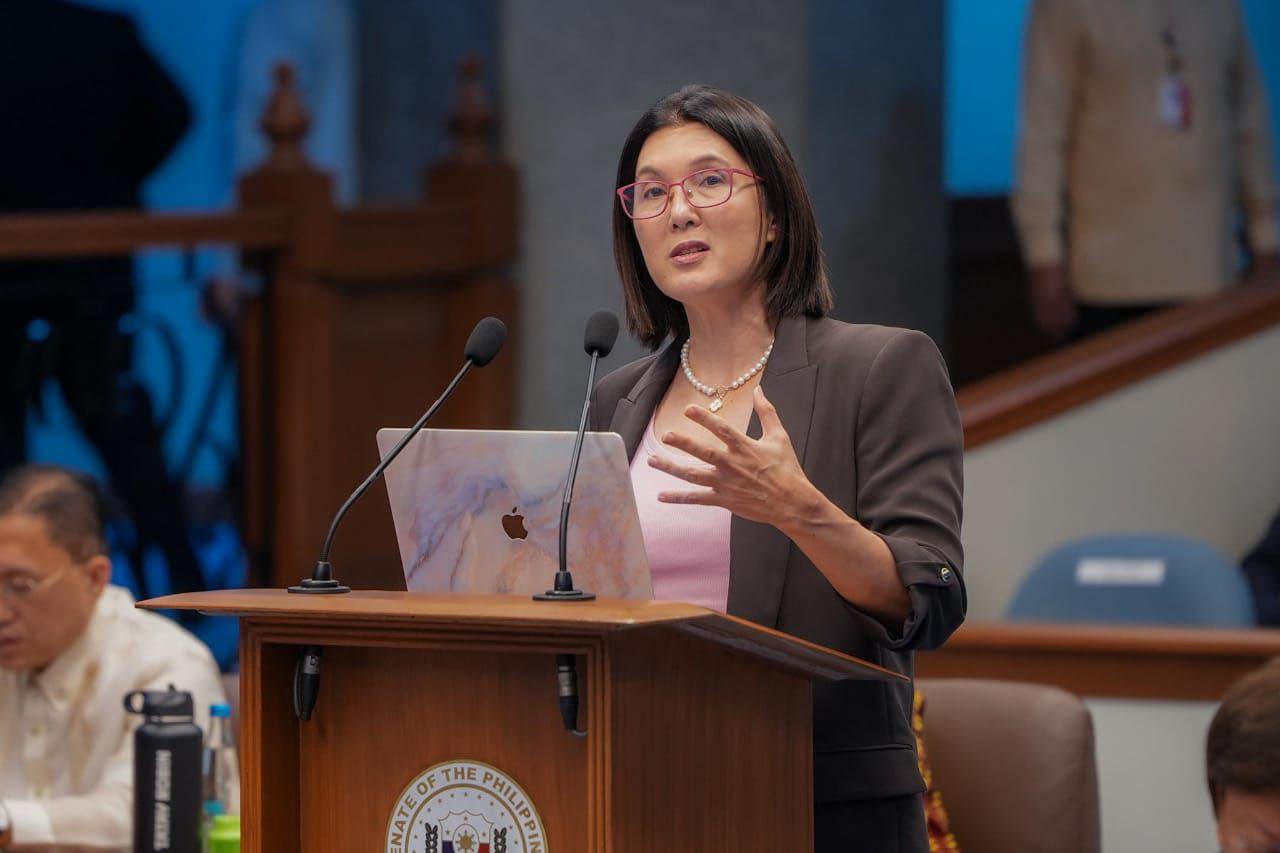
Senator Pia S. Cayetano, Chairperson of the Senate Committee on Energy, led a joint hearing today to continue the review of the Electric Power Industry Reform Act (EPIRA), focusing on key measures that aim to strengthen regulation, enhance competition, and address persistent issues in the power sector. The committee discussed Senate Bills which seek to amend provisions of EPIRA on competition, ownership, and governance. “Two decades have passed since EPIRA was enacted, yet we continue to face high power costs, regulatory gaps, and limited competition. We must determine whether the safeguards originally built into the law still work for today’s market,” Cayetano said.
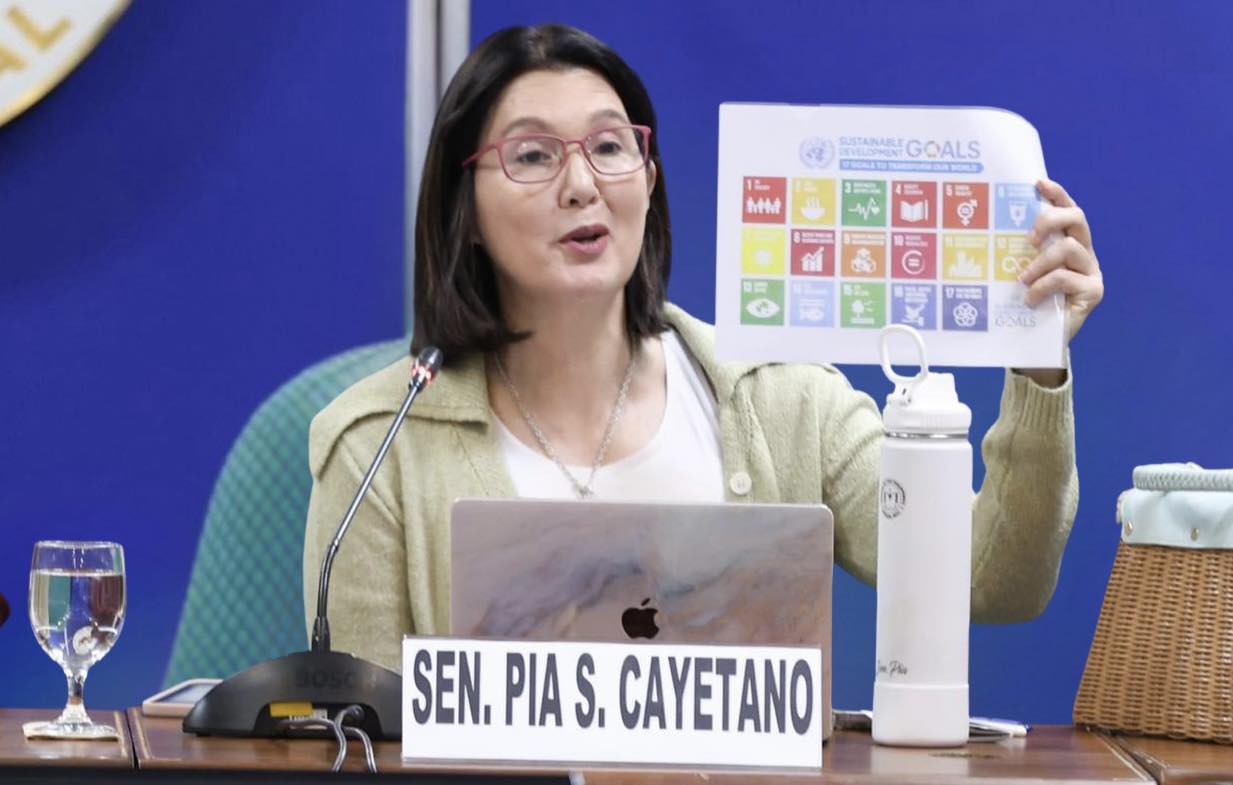
The Senator emphasized that the ongoing review supports the country’s commitment to Sustainable Development Goal (SDG) 7 on affordable and clean energy, alongside related goals on poverty reduction, decent work, and innovation. She also urged agencies such as the DOE, NEA, and ERC to provide clear, coordinated responses to long-standing challenges in the power industry. “These are not new issues. Our task is to balance investment, innovation, and consumer protection – to build an energy market that is efficient, equitable, and truly sustainable,” she said.
Senator Pia S. Cayetano encouraged the Department of Energy (DOE) to take decisive steps to make electricity more affordable and reliable, citing that high power costs remain a major barrier to growth for industries and small businesses.
Cayetano, who chairs the Senate Committees on Energy and on Sustainable Development Goals, Innovation, and Futures Thinking, emphasized that energy affordability and sustainability are critical to achieving the country’s economic goals, and its commitments under the UN Sustainable Development Goals.
She called on DOE to act with urgency, ensuring that public funds and consumer payments lead to real progress in building a cleaner, more resilient energy sector.
“Reliable and affordable energy is the foundation of inclusive growth”, Senator Pia S. Cayetano underscored as she opened the first hearing of the Senate Committee on Energy in the 20th Congress.
The hearing tackled the President’s SONA directives, the Department of Energy’s legislative priorities, and measures to strengthen the Energy Regulatory Commission (ERC) – which Cayetano called a “low-hanging fruit” in achieving energy security and advancing SDG 7: Affordable and Clean Energy, alongside poverty reduction and sustainable development.
As Chairperson of both the Committees on Energy and on Sustainable Development Goals, Innovation, and Futures Thinking, Cayetano vowed to push for forward-looking, transparent, and inclusive energy policies to ensure that no Filipino is left in the dark.
Senior Finance Vice Chairperson Sen. Pia S. Cayetano pushed for stronger support for preventive and universal healthcare as she opened deliberations on the 2026 budget of the Department of Health. She raised concern over the under-allocation of sin tax revenues intended for Philhealth, urging that the full amount mandated by law be remitted. For 2026, she noted that only ₱53.26 billion was included in the National Expenditure Program, despite certifications from the BIR and BOC showing that ₱69.78 billion should have been allocated by law.
Cayetano, who is the Committee on Sustainable Development Goals (SDGs), Innovation, and Futures Thinking Chairperson, also stressed the need to align the health budget with SDG 3: Good Health and Well-Being, calling for better hospital infrastructure, more health workers, and interventions to reduce out-of-pocket expenses. She likewise acknowledged the recent Cebu earthquake and urged DOH to record its response and mobilize volunteers.
Senator Pia S. Cayetano manifested her support for Senate Resolution No. 127, concurring in the agreement under the United Nations Convention on the Law of the Sea (UNCLOS) on the Conservation and Sustainable Use of Marine Biological Diversity of Areas Beyond National Jurisdiction.
“This landmark treaty fills a critical gap in international maritime law. For a maritime and archipelagic nation like the Philippines, this agreement is not abstract, it is strategic and it is necessary,” the senator said during her manifestation of support on the floor. Among the agreement’s objectives is to ensure the conservation and sustainable use of marine biodiversity in areas beyond national borders, by regulating harmful activities like overfishing, deep sea mining, and pollution.
As Chairperson of the Senate Committee on SDGs, Innovation, and Futures Thinking, Senator Cayetano said the treaty advances several SDG targets, as marine biodiversity protection is linked to climate action, people’s livelihood, the health of ecosystems, sustainable consumption & production, peace & justice in resource use, and stronger partnerships for sustainable solutions.
“We cannot fix what we cannot measure properly,” Senator Pia S. Cayetano emphasized as she reconvened the Senate Committee on Sustainable Development Goals, Innovation, and Futures Thinking to continue its review of the country’s progress toward 2030. She pressed agencies to present pre-pandemic baselines to better assess progress, address data gaps, and align budget priorities.
Cayetano also highlighted the irony of the Philippines being on track to reach upper middle-income country (UMIC) status while poverty incidence remains high. She further linked the discussion to her simultaneous participation in the Women, Children, and Family Relations Committee, noting how poverty makes families more vulnerable to trafficking and exploitation.
The Committee then heard the bills on Walkable and Bikeable Communities, which passed in the Senate on 3rd reading in the 18th & 19th Congresses. Cayetano underscored the goal to institutionalize active transportation through sidewalks, safe bike lanes, and people-first street design. She also called for smarter use of funds, including shifting budgets away from anomalous projects toward active mobility infrastructure.
Senator Pia S. Cayetano opened the first hearing of the Senate Committee on Sustainable Development Goals (SDGs), Innovation, and Futures Thinking in the 20th Congress with a reminder that with less than five years left before 2030, the Philippines must accelerate its efforts to meet its commitments.
Drawing from her years of experience as Senior Vice Chair of the Senate Finance Committee handling the health budget, she pointed to the gap between actual improvements and official reports. “I’ve been working on health since 2004 and I can attest that we’re so much better off now than before. Having said that, how come your data shows that progress in SDG 3 (Good Health and Well-Being) is regressing?” she asked.
Addressing the Philippine Statistics Authority (PSA) and the Department of Economy, Planning, and Development (DepDev), the Senator inquired how Congress could help close data gaps and strengthen monitoring. “You have data gaps, my question to you is, is there anything we can do to help in the next five years, to be able to include other indicators? Are they very difficult to do, does it need a bigger budget? Just tell us what we need to do so that we can assess properly,” she said.
As a longtime advocate and sponsor of the Expanded Breastfeeding Promotion Act, Senator Pia S. Cayetano marked National Breastfeeding Month with her annual privilege speech – a tradition she has kept for two decades.
Calling breastfeeding “nature’s first immunization,” the senator underscored its role in protecting children from malnutrition and disease, while also advancing several Sustainable Development Goals.
Despite this, only 50.4% of Filipino infants are exclusively breastfed in their first six months, leaving many families to depend on unsafe or less nutritious alternatives.
Cayetano also highlighted the progress achieved through her law requiring lactation stations and workplace support for nursing mothers, but urged government agencies, schools, and LGUs to sustain and strengthen programs that encourage breastfeeding.
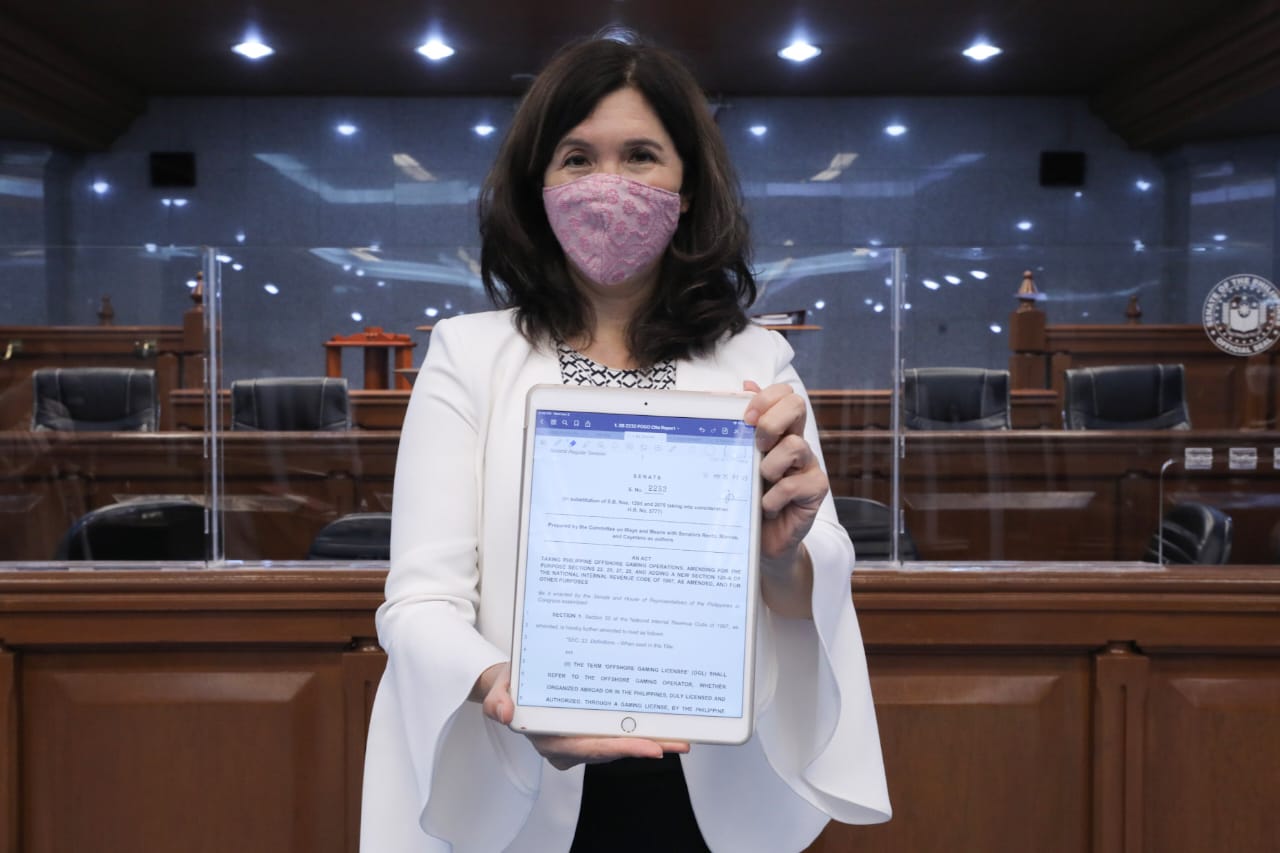
Senator Pia S. Cayetano today described Republic Act No. 11590 – the newly signed law taxing Philippine Offshore Gaming Operations (POGOs) – as a ‘major win’ for the country because it will generate billions in additional funds for public services, but without burdening Filipino taxpayers.
“For years, many of these POGOS have been operating without paying the proper taxes. By virtue of this law that I sponsored and defended, they will now be taxed,” said Cayetano, chairperson of the Senate Ways and Means Committee and principal sponsor of the POGO Tax Law.
“POGOS are offshore gaming operators. That means only foreigners abroad may gamble in POGOs. So the taxes do not come from Filipinos, or even foreigners residing in the country,” she explained.
“I’d rather tax the POGOs than see a proliferation of gambling in the country, which sadly seems to be the direction that our colleagues in the House are taking with the recent passage of a bill allowing online gambling,” she emphasized.
She further noted that under the new law, 60 percent of total revenues from the gaming tax imposed on offshore gaming companies will be earmarked by the government, and allocated for the following purposes:
•60% for the implementation of the Universal Health Care Act;
•20% for the Health Facilities Enhancement Fund; and
•20% for the attainment of the SDGs, provided that the specific SDG targets shall be determined by NEDA.
“We made sure that the revenues from POGOs will be earmarked for much-needed health programs amid the pandemic, and contribute to the attainment of our Sustainable Development Goals (SDGs),” added the senator, who also chairs the Senate Committee on the SDGs, Innovation, and Futures Thinking.
Based on estimates of the Department of Finance (DOF), Cayetano said RA 11590 is projected to generate P22.9 billion in 2022, through the 5 percent gaming tax imposed on the gross gaming revenues of POGO licensees.
In addition, the government is expected to collect P9.2 billion in 2022 from the 25 percent final withholding tax imposed on foreign POGO employees.
Combined, she said the total projected revenues from RA 11590 would amount to P32.1 billion in 2022. #