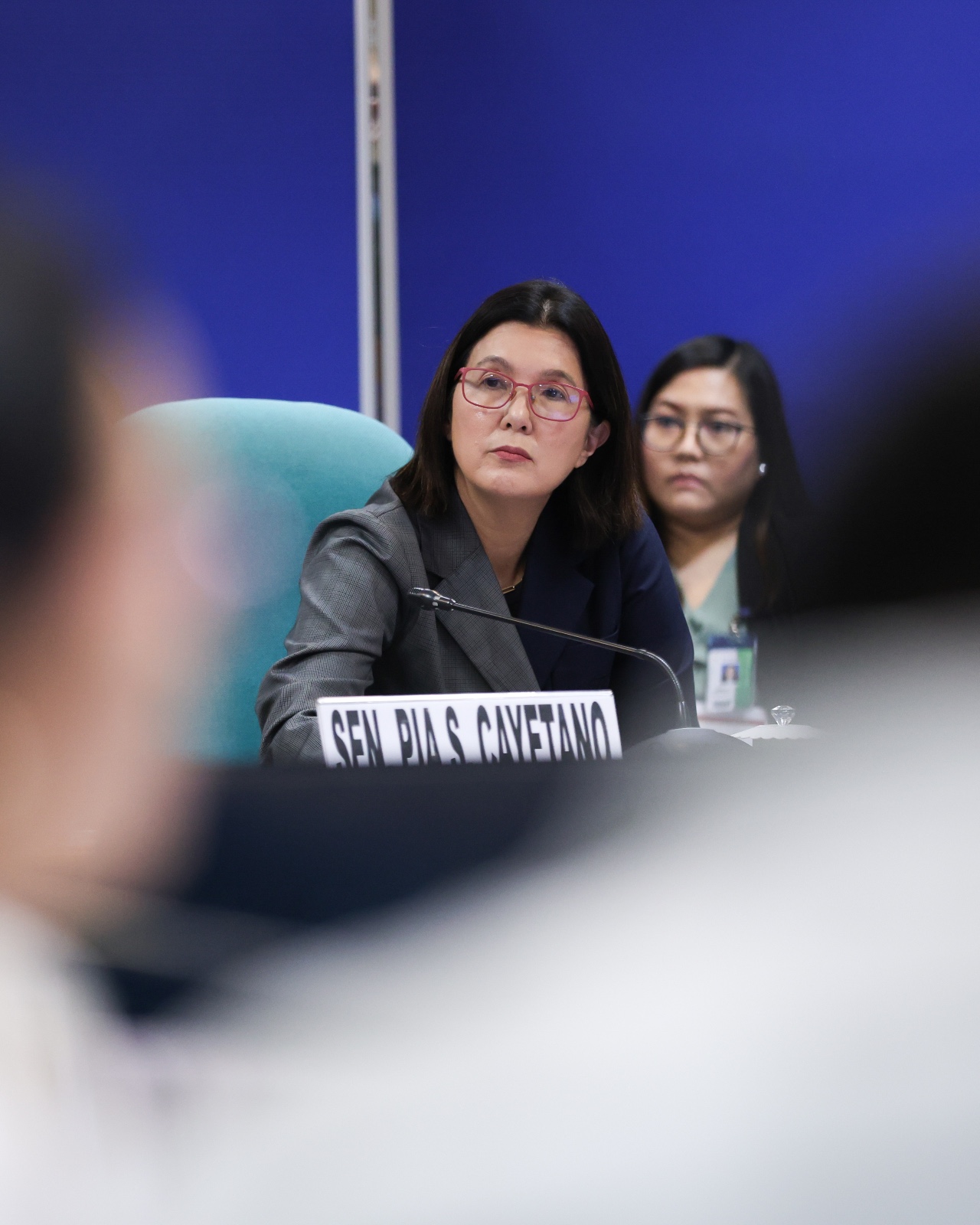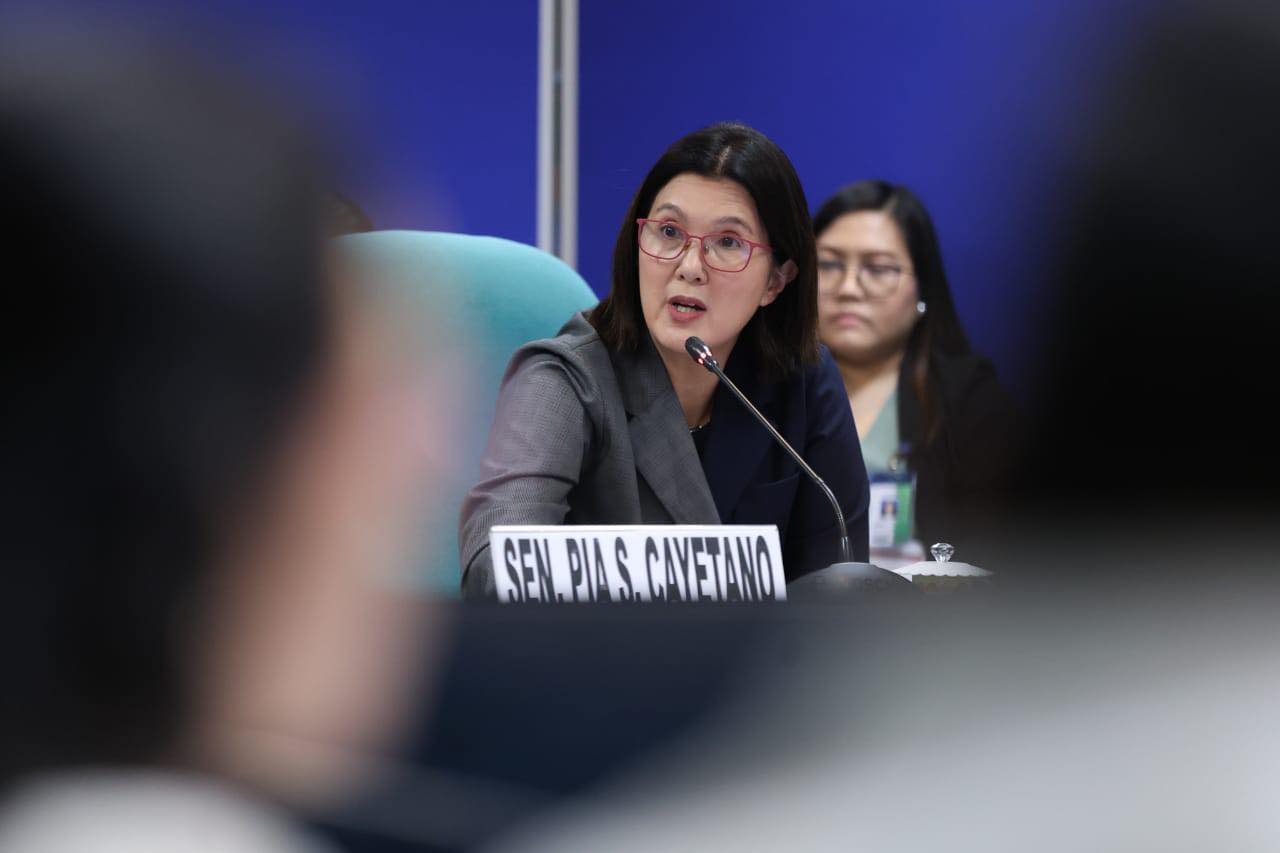
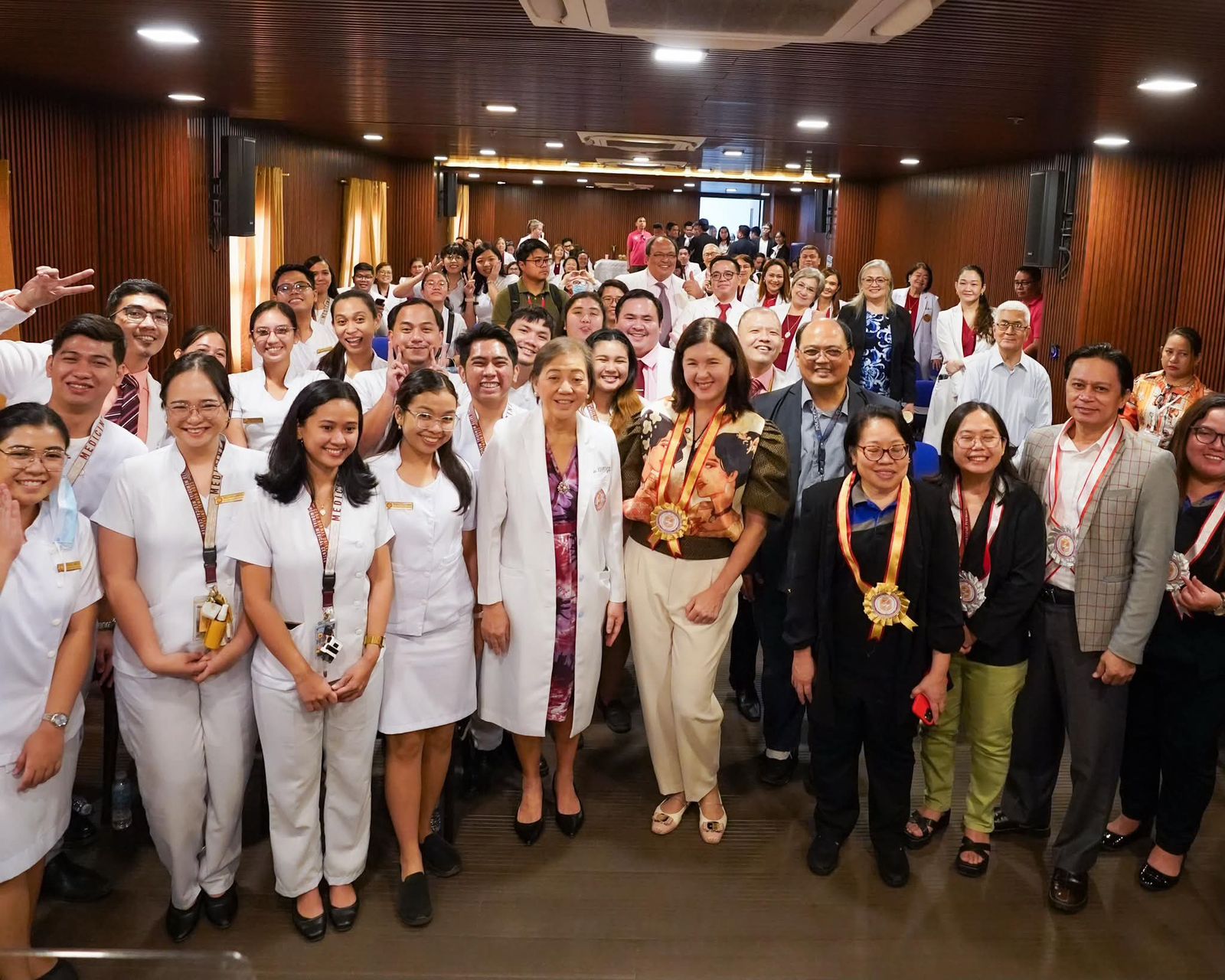
Senator Pia S. Cayetano welcomed the launch of the Commission on Higher Education’s (CHED) Allied Health Experiential Assistance for Deserving Students (AHEAD) Grant, which will provide financial assistance to around 19,000 healthcare students completing their mandatory clinical and field-based training nationwide.
“This is exactly the kind of investment we need to make for our future. The most powerful investment we can make for our country is in our education and healthcare sectors, and this program does both at once,” Cayetano said. “I am happy to see that our efforts to strengthen healthcare education are bearing fruit for our students and for the Filipino people.”
As Senior Vice-Chairperson of the Senate Committee on Finance, Senator Pia Cayetano has long championed the expansion of medical and allied health education. She consistently lobbied for the rightful share of education and health in the national budget, as well as funding for the Doktor Para sa Bayan Act. These efforts helped lay the foundation for programs like the AHEAD Grant, which provides more opportunities for aspiring healthcare professionals to pursue their education and serve Filipino communities.
Cayetano noted that the AHEAD Grant directly addresses a long-standing burden on healthcare students, many of whom come from families that struggle to afford the cost of clinical training on top of regular tuition.
“We cannot build a strong healthcare system without first investing in the people who will run it,” she said. “Every health worker who graduates because of programs like this is one more person who will serve Filipino families in their most vulnerable moments. There is no quick fix, but every step we take toward making healthcare education accessible is a step toward a healthier Philippines for all of us.”The grant covers students enrolled in priority allied health programs including nursing, medical technology, physical therapy, occupational therapy, pharmacy, radiologic technology, respiratory therapy, nutrition and dietetics, speech-language pathology, dental medicine, optometry, and veterinary medicine, all tied to the Human Resources for Health Philippine Masterplan 2020-2040.
”The Most Powerful Investment We Can Make” — Sen. Pia Cayetano tungkol sa AHEAD Grant para sa mga Healthcare Students
Mainit ang naging pagtanggap ni Senadora Pia S. Cayetano sa paglulunsad ng Allied Health Experiential Assistance for Deserving Students (AHEAD) Grant ng Commission on Higher Education (CHED), na magbibigay ng pinansyal na tulong sa humigit-kumulang 19,000 healthcare students na kumukumpleto ng kanilang mandatory clinical at field-based training.
“This is exactly the kind of investment we need to make for our future. The most powerful investment we can make for our country is in our education and healthcare sectors, and this program does both at once,” sabi ni Cayetano. “I am happy to see that our efforts to strengthen healthcare education are bearing fruit for our students and for the Filipino people.”
Bilang Senior Vice-Chairperson ng Senate Committee on Finance, matagal nang isinusulong ni Cayetano ang pagpapalawak ng medical at allied health education. Patuloy niyang ipinaglaban ang nararapat na bahagi ng edukasyon at kalusugan sa pambansang badyet, gayundin ang pondo para sa Doktor Para sa Bayan Act. Ang mga pagsisikap na ito ay nakatulong sa pagtatayo ng pundasyon para sa mga programang tulad ng AHEAD Grant, na nagbibigay ng mas maraming pagkakataon sa mga nagnanais na maging healthcare professionals na ituloy ang kanilang pag-aaral at maglingkod sa ating mga komunidad.
Para kay Cayetano, ang AHEAD Grant ay tumutugon sa matagal nang pasanin ng mga healthcare students, kung saan ang marami sa kanila ay nagmumula sa mga pamilyang nahihirapang bayaran ang gastos ng clinical training bukod pa sa regular na matrikula.
“We cannot build a strong healthcare system without first investing in the people who will run it,” sabi pa niya. “Every health worker who graduates because of programs like this is one more person who will serve Filipino families in their most vulnerable moments. There is no quick fix, but every step we take toward making healthcare education accessible is a step toward a healthier Philippines for all of us.”
Ang nasabing grant ay para sa mga estudyante na naka-enroll sa mga priority allied health programs, kabilang dito ang nursing, medical technology, physical therapy, occupational therapy, pharmacy, radiologic technology, respiratory therapy, nutrition and dietetics, speech-language pathology, dental medicine, optometry, at veterinary medicine, na lahat ay sumasailalim sa Human Resources for Health Philippine Masterplan 2020-2040.