Official Website of Philippine Senator Pia Cayetano

Category: Featured

  • Bill seeking to produce globally competitive graduates pushed

    Senator Pia S. Cayetano is pushing for the establishment of a common national policy on education that will train Filipino students to be job-ready and globally competitive.

    In filing Senate Bill No. 62 or the ‘Education Roadmap Act,’ Cayetano aims to institutionalize an education roadmap that incorporates the needed skills and competencies that industries constantly look for in new graduates.

    The senator said her proposal seeks to guarantee gainful employment for Filipino students after graduation by addressing current ‘overlapping and confusing education policies.’ Furthermore, the measure aims to make the Philippines at par with its Southeast Asian neighbors in terms of producing a competitive workforce. 

    Under SBN 62, an Education Roadmap National Coordinating Council shall be created to design, formulate, and monitor implementation of the educational roadmap. 

    The council shall focus on five key components, namely, Global Languages, Graduate Competencies, Teacher Competencies, Capacity Building for Centers of Excellence, and School-to-Work Transition.

    Furthermore, the national policy on global languages shall be aligned with the Common Framework of Reference for Languages to warrant national and global competitiveness, especially in the areas of education and labor. 

    “The roadmap incorporates a careful review of existing curricula so that the skills required by local and international industries from new graduates are integrated in our academic programs,” the senator explained. 

    “This roadmap also aims to strengthen capacity building for teachers so that they could properly equip their students with relevant skills and competencies,” she added. 

    The bill includes a policy for the seamless progression of students from basic education to higher education and, eventually, to employment. This involves strengthening and expanding internship, apprenticeship, and dual-training programs for students, as well as dynamic collaboration among the government, academe, and industry.

    “To ensure that our students’ training are aligned with the requirements of their future employers, industry sector representatives shall be consulted or tapped in developing and implementing the educational roadmap,” Cayetano noted.

    “Our education program must constantly keep up with the changing and growing needs of industries. We must also secure lifelong learning opportunities for our youth so that they will be globally competitive and job-ready upon graduation,” the senator said.

    A staunch advocate of youth empowerment in Congress, Cayetano has championed several measures to improve the quality and accessibility of education. Among her latest proposals is the  Build, Build, Build for Education Bill which lays down a five-year plan to accelerate infrastructure development in Philippine state universities and colleges (SUCs). #
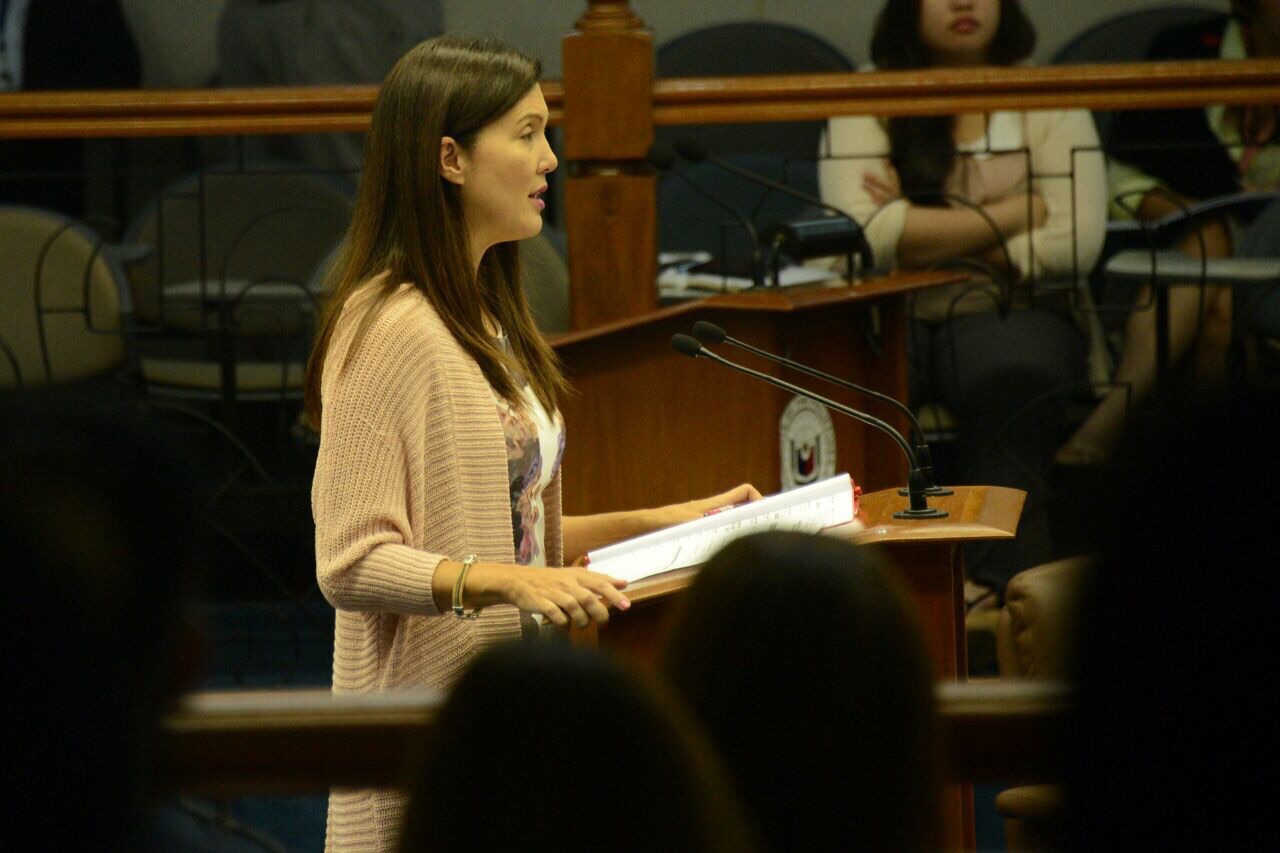

    Senator Pia Cayetano has championed several measures seeking to make quality education accessible to the Filipino youth. (file photo)
  • New law strengthening National Museum hailed

    Senator Pia S. Cayetano has welcomed the signing of the National Museum of the Philippines Act, saying the new law will help bridge generations of young Filipinos to our country’s past to better appreciate our rich history and heritage.

    President Rodrigo Roa Duterte recently signed Republic Act No. 11333, which designates the National Museum as the primary institution to manage and develop museums and collections of national importance across the country.

    The measure’s principal author in the 17th Congress, Cayetano said preserving heritage strengthens our collective sense of history as a people, which is crucial in charting our nation’s future.

    “With the passage of this act, we now have a stronger national policy to protect our heritage. This will help reinforce our sense of nationalism, especially among the youth, and boost sectors like education and tourism, which will provide more opportunities for our people,” she emphasized. 

    The measure authorizes the National Museum of the Philippines to retain the entirety of its income from all sources of its operations nationwide and overseas. It also exempts it from applicable taxes, duties, fees, and charges from donations.

    According to the senator, this provision would enable the agency to better fulfill its mandate to develop the National Museum Complex in Manila, central museums, regional museums, and other facilities it manages. This will also allow the institution to make its services more accessible to the people – and not intended for profit. 

    “This law will allow the public free admission to public museums and national historical shrines and landmarks,” the senator said, adding that “it is always heartening to see students, barkadas, and families coming in droves to visit our public museums as a fun, learning experience.”

    A heritage advocate, Cayetano has championed several measures in Congress seeking to strengthen the government’s efforts to protect the country’s endangered historical landmarks. 

    She was a member of the National Museum Board of Trustees from 2013 to 2016, and a former chairperson of the Senate Committee on Education, Arts, and Culture during the 16th Congress.

    During this time, she led the inquiry into the controversial construction of a high-rise condominium building, which marred the sightline of the historic Rizal Monument at Luneta Park.#

    Highlights of the National Museum of the Philippines Act (Republic Act 11333) authored by Senator Pia S. Cayetano.
  • Tulong Puhunan Bill to promote micro, small enterprises’ growth

    Seeking to unleash the full economic potential of micro and small enterprises (MSEs), Senator Pia S. Cayetano has filed the ‘Tulong Puhunan Bill’ which institutionalizes microfinance programs for small businesses in the country. 

    The proposal seeks to fulfill Cayetano’s campaign pledge to facilitate people’s access to capital with low interest and simplified procedures that would enable them to start or sustain their own means of livelihood. 

    ‘Tulong Puhunan’ draws inspiration from the Presyo, Trabaho, Kita (PTK) program that the senator’s brother, Taguig City Representative Alan Peter Cayetano, started in 2013. 

    PTK provides seed capital for micro businesses and members of the informal sector, and has so far assisted 218 organizations across the country. 

    “We saw through the success of PTK how trust and a humble amount could go a long way to empower small organizations and help its members. We hope to institutionalize this practice through Tulong Puhunan,” explained Cayetano. 

    She said MSEs comprise 99% of business enterprises and contribute more than 60% of jobs generated by all business enterprises. But she lamented how financial assistance is hard to come by, forcing many MSEs to turn to informal microlending schemes with prohibitive interest rates. 

    The returning senator’s bill seeks to address the situation by creating a comprehensive development and assistance program for MSEs.

    The ‘Tulong Puhunan Grant Program,’ which will be national in scope but tailored for each administrative region, seeks to provide MSEs with assistance and necessary resources to help their businesses grow. 

    The program provides free technical and administrative support to MSEs under the top five priority business areas in their respective regions. Its services will cover product development, skills and leadership training, packaging and design, quality control, market promotion, client or supplier matching, and financial literacy and planning. 

    The program shall also provide grants every year to top-performing enterprises in each region, to be used solely for further business capitalization. 

    Moreover, every micro-sized enterprise that evolves into a small enterprise through the program shall be eligible for a one-time grant of P500,000.

    The bill also seeks to create the ‘Tulong Puhunan Loan Program,’ which will cater exclusively to MSEs in need of capital, whether or not they fall under the priority business areas of their regions. These MSEs shall receive loans ranging from P10,000 to P250,000, with no required collateral, and with interest not higher than prevailing bank rates. 

    An amount of P18 billion shall be appropriated for the initial year of implementation of the two programs, to be divided equitably among the regions. The fund shall be held in trust by the Department of Trade and Industry in collaboration with the Development Bank of the Philippines, Land Bank of the Philippines, and other Government Financial Institutions. 

    With the programs in place, Cayetano hopes that enterprises would no longer need to borrow from usurious ‘5-6’ lenders, and instead benefit from inclusive growth through efficient and effective access to loan facilities. #

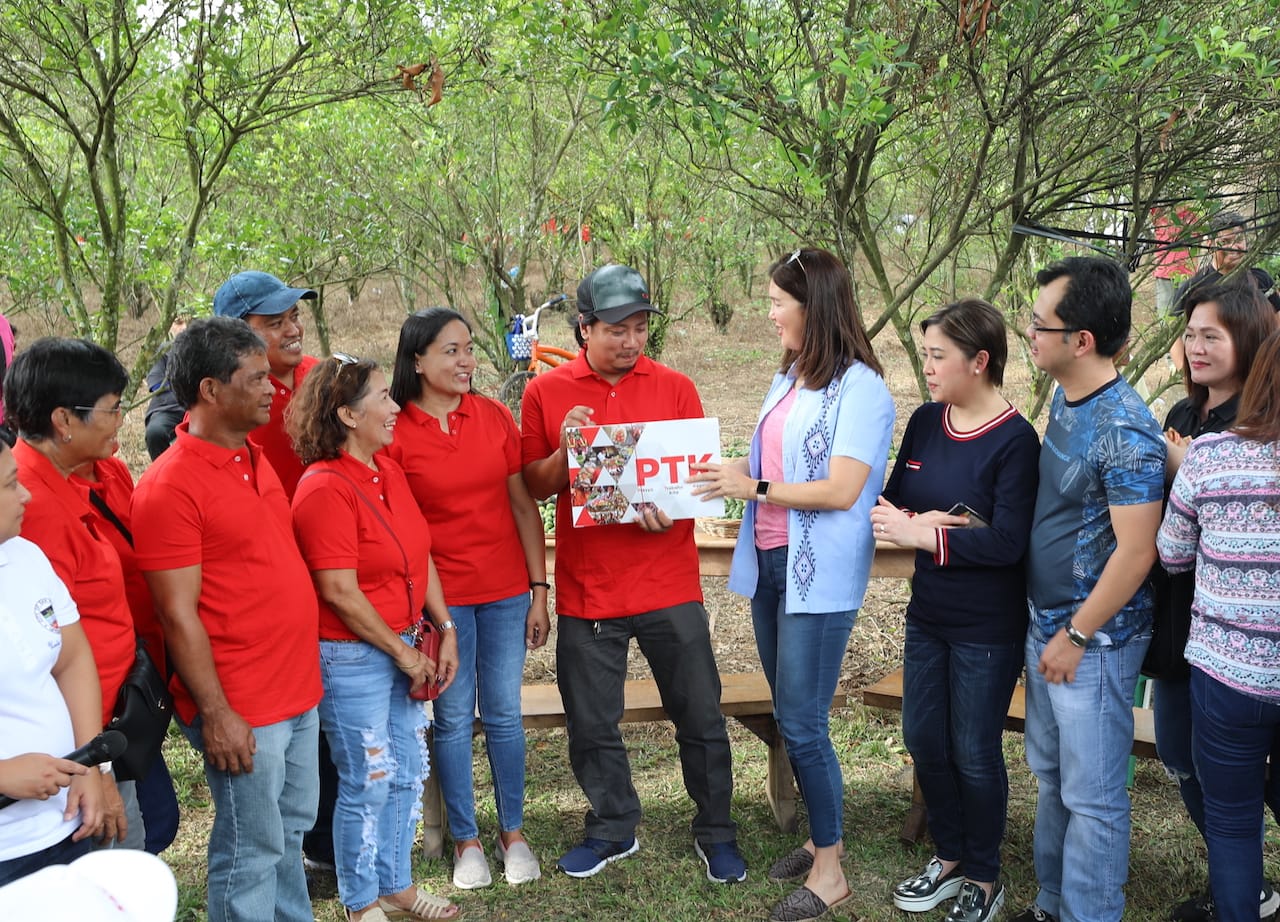
    In this file photo, then Deputy Speaker Cayetano is joined by Laguna 3D Representative Sol Aragones, San Pablo City Mayor Amben Amante, and council members during a visit to the calamansi farm of the Sta. Maria Vegetable Farmers Association.
    Photos: Senator Pia Cayetano with calamansi and vegetable growers in San Pablo City, Laguna. The Sta. Maria Vegetable Farmers Association is one of 218 groups that have benefited from Presyo Trabaho Kita (PTK), a microfinance program that was started by the senator’s brother, Taguig City Representative Alan Pater Cayetano in 2013. (file photo)
  • Biking senator files National Bicycle Act

    Senator Pia S. Cayetano is pushing for a law that would officially recognize bicycles as an alternative and sustainable mode of transportation throughout the country.

    A biking and fitness enthusiast, Cayetano has filed the ‘National Bicycle Act of 2019,’ which shall mandate the development of policies, infrastructure, and facilities to properly integrate bicycles as part of the public transportation system.

    “It is time to change our mindset about traffic and find alternative means to move forward from this perennial problem,” Cayetano said of the yet unnumbered bill, which she filed among her second batch of measures for the 18thCongress.   

    The returning senator said cycling not only offers an efficient means of mobility amid the daily traffic gridlock, but is also an affordable, environment-friendly, and healthy alternative to motor vehicles.

    “We should do away with the old thinking that cars are for the rich and bikes are for the poor. Increasingly, we see more people coming to work on two wheels, young and old, from vendors to workers, professionals, and even executives,” the senator observed.

    “Many startups are also switching to using bicycles, like courier and food delivery services. Biking is not just a means of leisure or past time, it has become a way of life for many Filipinos,” she added.   

    Cayetano herself regularly uses a bike to visit and interact more directly with residents in urban communities and to reach far-flung towns and mountain villages in the provinces. She also joins triathlons and bike festivals that highlight local sports and eco-tourism. During the last electoral campaign, cycling groups joined the former Taguig City representative to promote her candidacy and advocacies through her ‘bicycle-cades.’  

    The senator admitted that the major downside remains safety. “News and social media posts regularly report about bikers being sideswiped or ran over by undisciplined drivers of motor vehicles. And so this is one reason why we need to enact a national policy to ensure the protection of bikers,” she stressed.         

    Under her bill, the Department of Transportation (DOTr) and Department of Public Works and Highways (DPWH), in coordination with local government units shall take the lead in designating bicycle lanes, which shall serve as exclusive passage for cyclists. Motor vehicles will be prohibited from being driven or parked on any bike lane. 

    The bike lanes shall be separated by a physical barrier, whenever possible, and shall be clearly identified with signs or pavement markings. In cases where installation of a physical barrier is not feasible, the lane for bicycles shall be identified through reflectorized painted lines.

    Bike promotion measures also include improvements on sidewalks, traffic calming and speed reduction, pedestrian and bicycle crossing, traffic signages covering bicycles, off-street pedestrian and bicycle facilities, and traffic diversion, among others.

    Cayetano’s bill mandates all public places, government offices, schools, major business establishments, including malls, banks, restaurants, hospitals, and the like, to provide adequate racks for bike parking and other infrastructure as far as practicable.

    Meanwhile, the private sector will be encouraged to develop counterpart infrastructure, facilities and programs to help promote biking. 

    Aside from the Bicycle Act, Cayetano has also filed complementary measures, namely the Sustainable Transportation Act (SBN 65) and the Sustainable Cities and Communities Act (SBN 66).  #

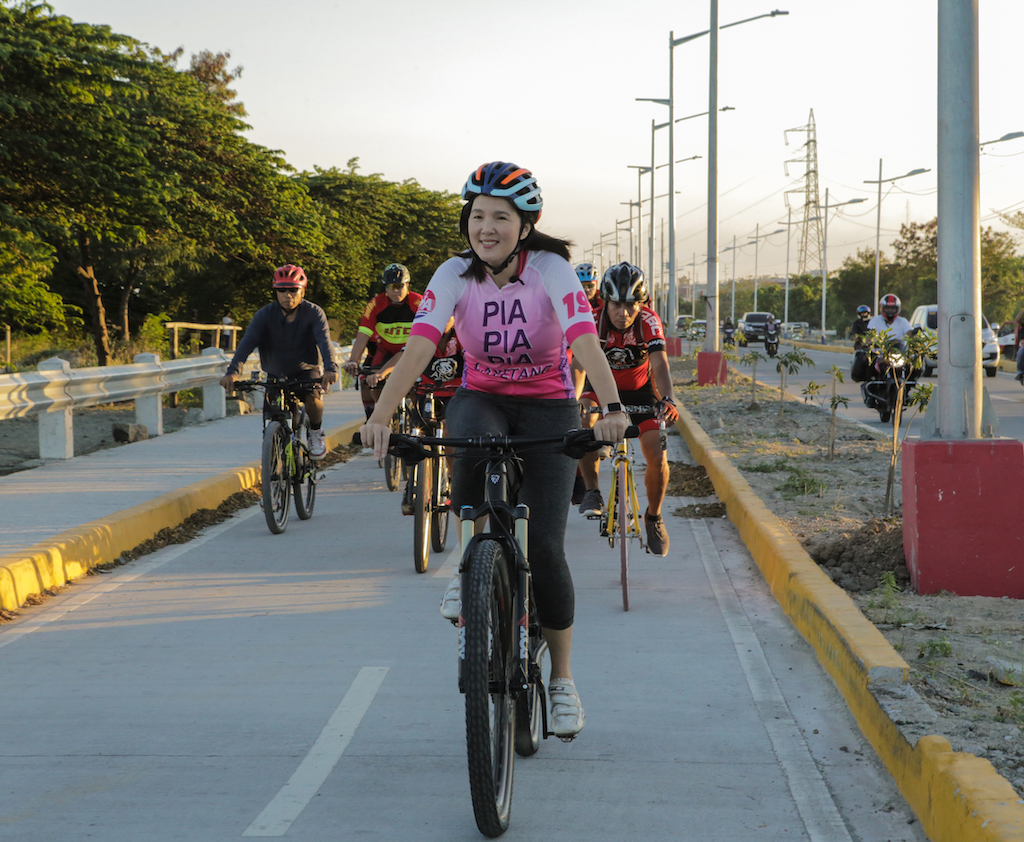
    Senator Pia Cayetano pedals at the three-meter-wide protected bike lane, which stretches throughout the Laguna Lake Highway (C6 Highway) from Taguig City going to Pasig City.
  • Pia: Teachers need pay hike to keep up with decent living standards

    To be able to teach effectively, public school teachers need to live decently. 
    This was emphasized by Senator Pia S. Cayetano, as she noted the huge disparity between the living wage recommended by government economic planners and the current take-home pay of the average public school teacher. 
    Recent estimates by the National Economic and Development Authority (NEDA) show that an average Filipino family of five with two working members earning P21,000 each, needs a combined income of P42,000 a month to be able to provide for their basic household needs. 
    In the case of public school teachers, where the entry-level pay (Salary Grade 11) earns a gross income of P20,574, Cayetano noted that the amount even falls short of government’s own living wage standards, especially after regular deductions from their basic pay are factored in. 
    It is for this reason that the returning senator and former Taguig City representative has been pushing for a substantial hike in the compensation of educators in basic education. 
    Cayetano has filed Senate Bill No. 70, the’Additional Support and Compensation for Educators in Basic Education Act’ among her priority measures in the 18th Congress. 
    SBN 70 proposes a salary increase of P10,000 per month for public school teachers, locally-funded teachers, and non-teaching personnel of the Department of Education (DepEd). 
    Under the bill, the P10,000 teachers wage hike will be granted in three tranches over the next three years, as follows: P4,000 per month on the first year, an additional P3,000 per month on the second year, and a final increment of P3,000 pesos per month, on the third year. 
    On top of the salary adjustment, other benefits stipulated in the bill include medical allowance, a yearly bonus based on the Magna Carta for Public School Teachers (RA 4670), and  additional compensation from local school board funds.
    ‘Considering their crucial role in society, teachers should receive an average pay that would allow them to keep up with decent living wage standards set by the government,’ said Cayetano. 
    “The pay hike rightfully deserved by our teachers will improve their quality of life and motivate them to perform their tasks exceptionally,” she added. “Adequate pay and benefits should also encourage our best and brightest minds to enter the teaching profession as envisioned by our Constitution.”
    While admitting that there are serious fiscal considerations in carrying out the measure, Cayetano said the level of pay matters when it comes to strengthening teacher competencies and the overall quality of teaching and learning in the basic education sector. 
    As the former chairperson of the Senate Committee on Education, Arts, and Culture, Cayetano has worked for the passage of numerous landmark laws to enhance public education in the country.
    These include the National Teacher’s Day Act (RA 10743), Unified Student Financial Assistance System for Tertiary Education or UniFAST Act (RA 10687), Open High School System Act (RA 10665), Open Distance Learning Act (RA 10650), Iskolar ng Bayan Act (RA 10648), and Ladderized Education Act (RA 10647). #

    Senator Pia Cayetano: Teachers should receive an average pay that would allow them to keep up with decent living wage standards set by the government.
  • Pia files inclusive education bill for kids with special needs

    Senator Pia S. Cayetano is affirming her commitment to work for the welfare of children with special needs and afford them the right to accessible quality education.

     The senator has filed the ‘Inclusive Education for Children and Youth with Special Needs Act’ (Senate Bill No. 69) which seeks to establish inclusive learning resource centers for children and youth with special needs (CYSNs) in all public school divisions in the country.

    “Children with disabilities have the same rights as any other child. They deserve access to a kind of education system where their special needs are attended to,” said Cayetano, principal author of RA 10070, which mandates the creation of Persons with Disability Office (PDAO) in every province, city, and municipality.

    “They deserve to learn in an environment with compassion and understanding, and where they can grow as productive members of the community,” she added.

    The proposed measure was first conceptualized by Cayetano, along with special education stakeholders, when she chaired the Senate Committee on Education, Arts, and Culture back in the 16th Congress. 

    Citing records from the Department of Education (DepEd), Cayetano said majority of the country’s 5.5 million CYSNs have limited access to public education due to lack of accessibility features in schools, among other attitudinal and environmental factors.

    “This bill aims to address and remove all these  barriers in our education system to allow CYSNs to participate in the regular school system,” the senator explained. 

    Under SBN 69, the policy of inclusion shall be instituted in all public schools to provide CYSNs with equitable opportunities to educational services. Furthermore, the bill seeks to empower parents and family members of CYSNs with proper information and training.

    All public school divisions of the DepED shall likewise establish an Inclusive Education Learning Resource Center that shall assist in promoting inclusive education to enable regular schools to handle the needs of CYSNs effectively.

    The bill also proposes the formation of an Inter-Agency Coordinating Council on Inclusive Education (IACCIE), which is tasked to integrate and harmonize policies with regard to inclusive education.

    Lastly, SBN 69 mandates the establishment of Child Development Centers (CDCs) near all schools or within existing Inclusive Education Learning Resource Centers. The CDCs will be specially designed for preschool children and their parents, where early identification of disabilities or special needs and intervention programs can be administered.#

    Senator Pia S. Cayetano is greeted with a waving of hands by hearing impaired youth during a sports clinic for the differently abled in Taguig City earlier this year.
    “This bill aims to address and remove all barriers to allow CYSNs (Children and Youth with Special Needs) to participate in the regular school system.”

  • Pia seeks a loving, caring home for all abandoned, neglected kids

    Senator Pia S. Cayetano has filed a measure to codify the country’s laws on alternative child care with the goal of simplifying the process of giving abandoned and neglected children a second chance at having a loving and caring family.

    Senate Bill No. 61 or the ‘Alternative Child Care Code of the Philippines’ was among the first ten priority bills that the returning senator filed during her first week in the Senate as part of her long-term advocacy to promote children’s rights and welfare. 

    Citing a report by the United Nations’ Children’s Right and Emergency Relief Organization, Cayetano said about 1.8 million Filipino children are abandoned or neglected due to several reasons, including extreme poverty, natural disasters, armed conflicts, and other problems at home.

    “These children are usually placed under institutional care through state-run or accredited residential care facilities, while others end up on the streets,” according to Cayetano, herself a foster parent and eventual adoptive mom to her 8-year-old son, Rene Lucas. 

    “Sadly, there are not enough institutions to attend to their needs, not to mention the fact that these institutions cannot give the warmth and affection only a family could provide,” she lamented. 

    Cayetano’s bill seeks to address the issue by streamlining government policies on alternative child care, such that the out-of-home care provided by residential care facilities shall only be a last resort for the children. 

    “[T]he State shall ensure that a child without parental care or at risk of losing it are provided with alternative care options such as foster care, kinship care, kafalah (Islamic provision of alternative care), guardianship, or residential care, including family-like care,” the measure read.

    SBN 61 likewise makes adoption administrative in nature to effectively streamline its procedures and make formal adoption accessible.

    Furthermore, the bill calls for the establishment of a one-stop agency to improve and expedite the process of all modes of alternative child care. The National Authority for Child Care (NACC) shall be an attached agency of the Department of Social Welfare and Development (DSWD), tasked to formulate and develop policies on pre-adoption, adoption, inter-country adoption, foster care, guardianship leading to adoption, and other alternative child care policies.

    This includes programs that will protect the Filipino child from abuse, exploitation, trafficking, and any adoption practice that is harmful, detrimental and prejudicial to his/her best interests.

    The NACC shall also be in charge of conducting advocacy campaigns on alternative child care, in cooperation with various national government agencies, non-government organizations, peoples’ organizations, faith based organizations, and civil society.

    Moreover, Cayetano’s bill seeks to make Foster Care a mandatory and permanent program of the NACC. The agency shall be tasked to develop programs that will ensure the awareness and responsiveness of local government officials in the promotion of the foster care system in every city, municipality, or barangay.

    The institutionalization of foster care in the country as a preferred way of caring for abused, abandoned, or neglected children is mandated by Republic Act 10165 or the Foster Care Act of 2012, of which Cayetano was the principal author and sponsor.

    “We really need to see more modes of alternative child care working in our communities, as these are proven to be more beneficial than institutional care, in that it provides children with the love and attention that can only be found in a family setting,” Cayetano said, drawing from her own experience as a foster parent and adoptive mom. #

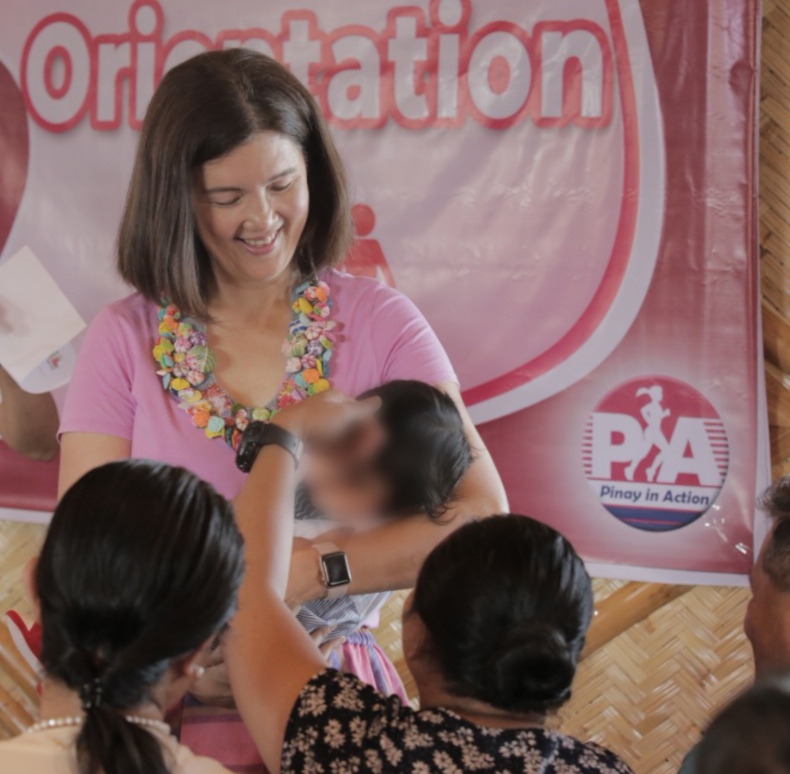
    Senator Pia Cayetano leads dedication rites for abandoned and neglected children in Taguig City during an orientation program for prospective foster families.
  • Pia pushes for sustainable cities, transportation

    A green, bikeable, and walkable Metro Manila? It can be done!

    Senator Pia S. Cayetano is pushing for two measures that she hopes would augur the transformation of Metro Manila and other urban centers in the country into sustainable cities and communities. 


    Cayetano’s Senate Bill No.65, the ‘Sustainable Cities and Communities Act,’ envisions urban centers and human settlements that are ‘inclusive, safe, resilient, and sustainable,’ in line with the country’s commitments under Goal 11 of the United Nations Sustainable Development Goals (SDGs).  

    The bill tasks local governments to ensure public access to social services, preferential use of renewable resources, efficient waste management systems, as well as reliable mass transport, among others.

    Under the measure, the National Economic and Development Authority (NEDA) shall set targets based on key indicators to determine whether a city or community has fully transitioned into a sustainable city or community.

    The NEDA indicators shall measure how local governments units (LGUs) are managing urban population living in slums, public transportation access, sustainable urbanization rate (ratio of land utilization to population growth rate), and urban planning. 

    The targets would also factor in the performance of local governments with respect to cultural heritage protection, disaster preparedness, pollution control, and solid waste management. 

    The bill assigns the Department of interior and Local Government to provide technical assistance to LGUs, while NEDA would come up with an incentive system for local governments that are able to meet their sustainable development targets.

    On the other hand, Cayetano’s Senate Bill No.66, or the ‘Sustainable Transportation Act,’ seeks to promote mobility options to serve the people’s changing needs, such as walking, biking, and efficient mass transportation. 

    The bill pushes for sustainable and alternative modes of transport, not just to reduce greenhouse gas emissions, but also to cut time and travel costs, and to promote an active lifestyle among citizens. 

    It mandates the Department of Transportation (DOTr) to come up with a Sustainable Transport Action Plan that shall lay down the roadmap for national and local transportation systems to be adhered to in all levels throughout the country. 

    Some highlights of the Sustainable Transport Action Plan are as follows: 

    -Installation of walkways;

    – Designation of bike lanes and provision of bike racks and parking spaces;

    -Public transportation as primary mobility option to the general public;

    – Establishment of a ferry system; 

    – Commissioning of a bus rapid transit system; and

    – Travel demand management programs (which includes promotion of car pooling and telecommuting programs). 

    Known as a biker and fitness enthusiast, Cayetano said it is high time to revisit our way of thinking and lifestyle in order to safeguard people’s health and the environment. 

    She cited the successful rehabilitation of Boracay and current efforts to clean up urban sidewalks, waterways, and public places of obstructions by newly elected mayors of Metro Manila as encouraging signs that urban renewal is possible.

    “We need political will at the local level to enforce laws and ordinances to put our cities in order, but it’s also the task of government to set an overall vision to achieve sustainable cities and communities. And so we hope to provide that vision with these two measures,” Cayetano concluded. #

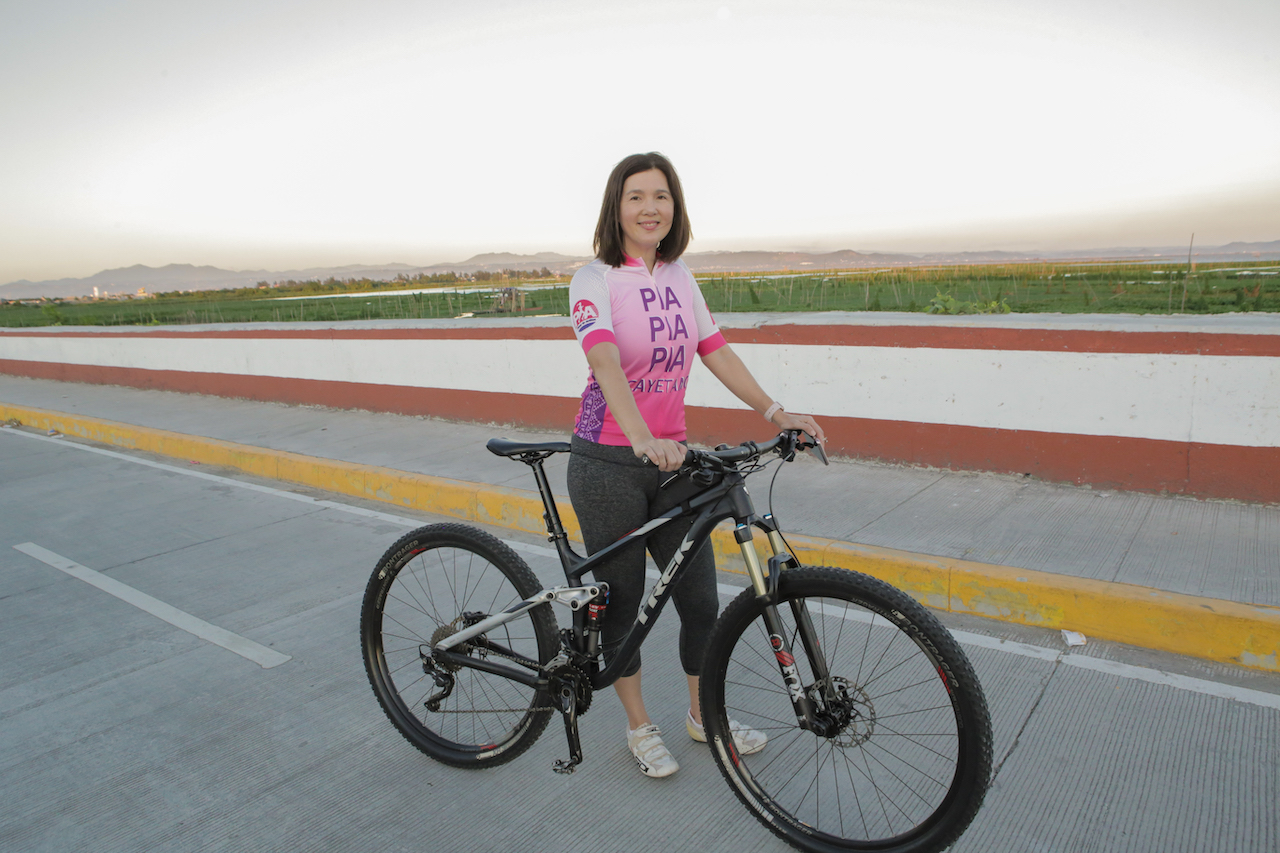
    Senator Pia S. Cayetano at the bike lane along Laguna Lake Highway (C6) in Taguig City: It’s the task of government to set an overall vision to achieve sustainable development.
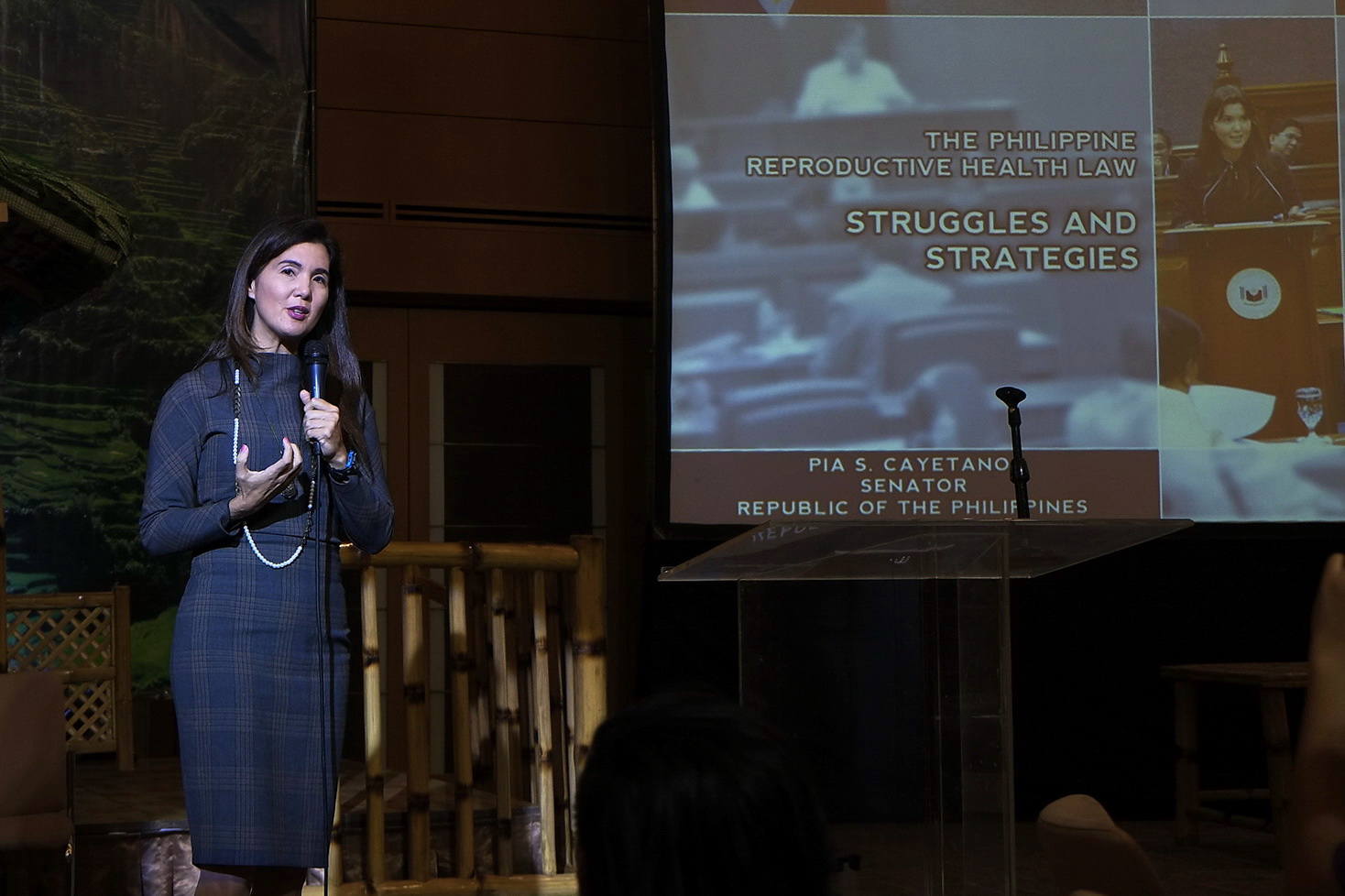
  • Full implementation of RPRH Law pushed on World Population Day

    The full and intensified implementation of the Responsible Parenthood and Reproductive Health Law (RPRH Law) is necessary to ‘empower’ the Filipino population and help bring down poverty levels in the country.

    This was emphasized by Senator Pia S. Cayetano on Thursday, World Population Day (July 11), a global observation meant to raise awareness on population issues and finding solutions related to population growth.    

    The principal sponsor of the RPRH Law, Cayetano said previous delays in enforcing the landmark measure have hampered government efforts to maximize gains from economic development and effectively redistributing available resources to benefit the population. 

    But she noted how the situation has changed under the administration of President Rodrigo Duterte, which has placed the National Program on Population and Family Planning (NPPFP) as a major component of its poverty reduction strategy. 

    First introduced through the RPRH Law, the NPPFP seeks to avert unwanted and unplanned pregnancies by giving Filipinos universal access to reproductive health and family planning information, devices, and services. The NPPFP also aims to empower couples and women to attain their ideal number of children through responsible parenthood.   

    “From his very first State of the Nation Address, President Duterte has indicated strong political will to fully carry out the RPRH Law as part of his administration’s socio-economic reforms to address poverty,” Cayetano pointed out.

    “The full and intensified implementation of the RPRH Law, in partnership with sound economic policies and effective management of our human resources would be the key drivers in attaining sustainable and inclusive growth in the second half of President Duterte’s term,” she added.  

    Cayetano noted that the President has backed up his first SONA by directing all government agencies to implement the RPRH Law to attain zero unmet need for family planning, and by providing sufficient budget to attain NPPFP’s goals.

    The Philippine population is expected to hit 109 million by the end of 2019, according to projections of the Commission of Population. The country currently has the highest fertility rate in Southeast Asia at 2.7 per woman, and has one of the region’s fastest-growing populations, with an annual average growth rate of 1.6 percent. 

    On the other hand, the National Economic and Development Authority (NEDA) is targeting to increase modern contraceptive rate to 65 percent and lower fertility rate to 2.1 average children per woman by 2022. 

    Under the Philippine Development Plan 2017-2022, NEDA seeks to reap economic benefits from a young, healthy, well-educated and highly skilled working-age population, and ultimately reduce poverty incidence to 14 percent by 2022 from 21.6 percent in 2015. #

    File photo: In a forum, Senator Pia Cayetano recalls the struggle that advocates went through to pass the Responsible Parenthood and Reproductive Health Act.

  • Bill filed to accelerate health infrastructure program

    As the Philippine economy continues to expand, so does the demand for better public health services from the growing urban and rural population. To meet this increasing need, Senator Pia S. Cayetano has filed the “Priority Health Infrastructure Act.”

    Known also as the ‘Build, Build, Build for Health’ Bill, the measure aims to create a comprehensive and sustainable approach to health infrastructure over the next five years. 

    The proposal takes off from the government’s ‘Build, Build, Build’ Program for public works and is anchored on the Philippine Development Plan (PDP) 2017-2022 to accelerate human capital development through quality health care services. 

    The measure is also expected to put the Philippines on track in attaining its target to provide essential health care for all by 2030 under the United Nations Sustainable Development Goals (SDGs). 

    The Department of Health (DOH) shall be assigned to determine priority health infrastructure needs of government hospitals all over the country to be integrated in a five-year plan. An annual budget of P10 billion is allocated for the improvement of health facilities in priority areas.

    As the government has made considerable progress to improve health care in the past years, most notably with the passage of the Universal Health Care Act, serious challenges remain in the absorptive capacity of the nation’s public health system, Cayetano stressed. Twice as many households seek health care in public health facilities compared to private health facilities.

    “To most effectively protect and promote the health of the population, the nation’s entire governmental public health infrastructure must be revitalized and strengthened. This will require political and financial support over time,” Cayetano said on the necessity of the bill’s passage.

    For the 18th Congress, the senator has filed related measures on health care, including the bill establishing Specialty Centers in DOH Hospitals and Medical Centers, as well as the bill mandating the appointment of at least one midwife for every barangay.

    The former chairperson of the Senate Committee on Health and Demography, Cayetano led the passage of several landmark laws to enhance public health services. 

    Among these are the Mental Health Act (RA 11036), the National Health Insurance Act (RA 10606), the Philippine National Health Research System Act (RA 10532), the Mandatory Infants and Children Health Immunization Act (RA 10512), and the Responsible Parenthood and Reproductive Health Act (RA 10354). #

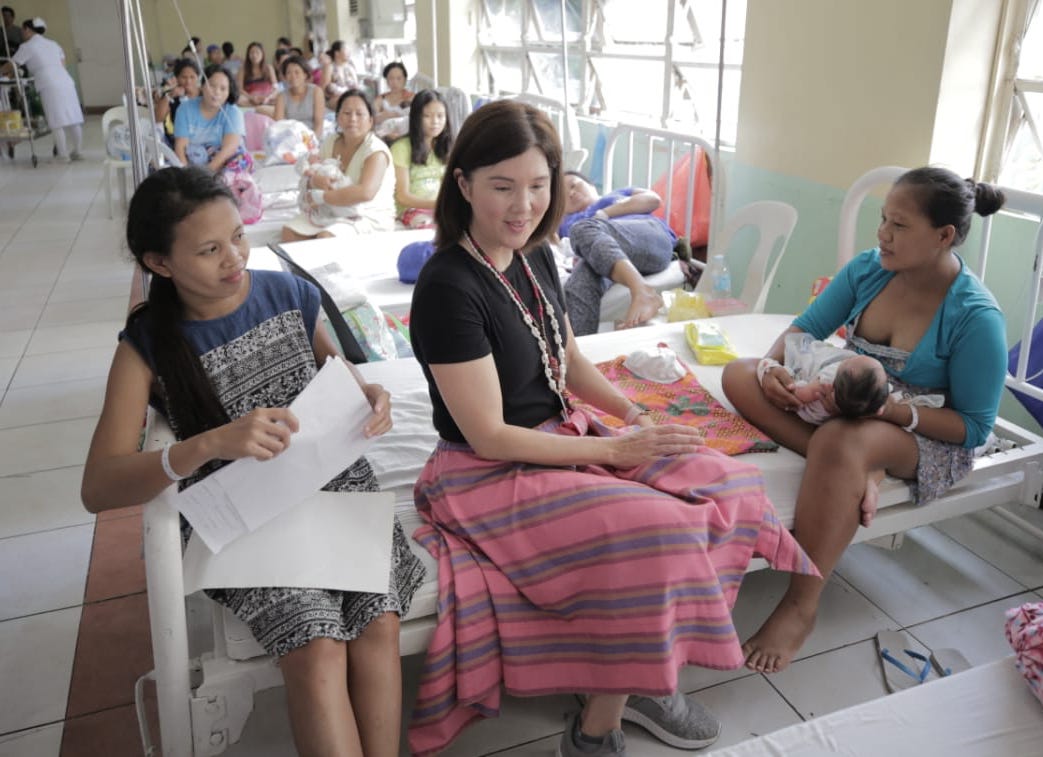
    File photo: Then Deputy Speaker Pia Cayetano visits mothers at the Maternity Ward of Vicente Sotto Memorial Medical Center in Cebu. (February 2019)